
Popular budget-friendly Chinese brand exposed for shocking CPU scam in its laptops — advertised CPU secretly swapped for an outdated chip
Source: Tom’s Hardware
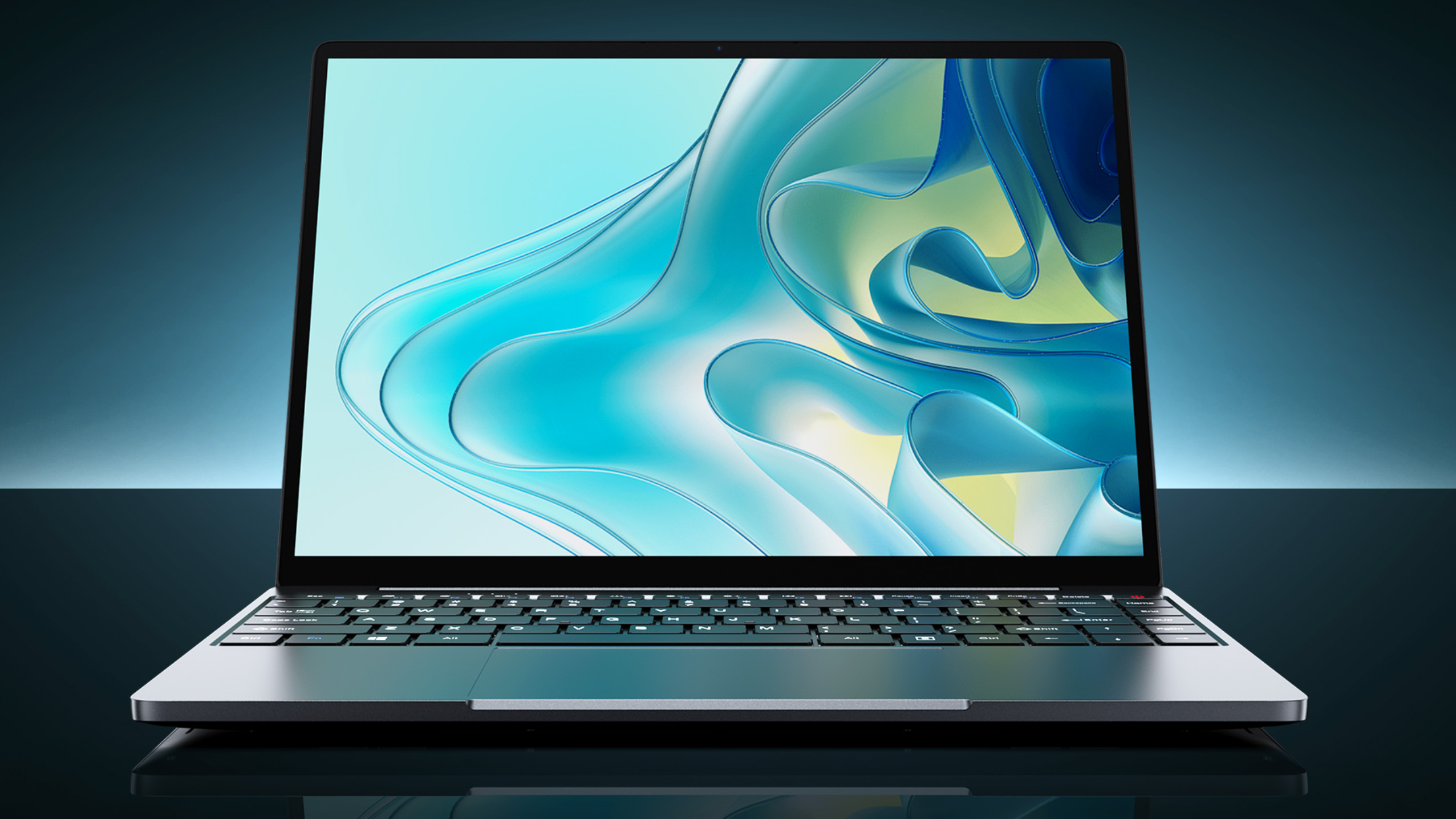
Image credit: Chuwi
Chuwi, a popular Chinese brand known for its affordable products, has been accused of misleading customers by shipping an outdated Ryzen processor in its CoreBook X laptop while advertising a newer model. The allegation comes from a detailed exposé by Notebookcheck, which cites feedback from numerous CoreBook X owners on Reddit.
Technical details
The deception appears to involve firmware‑level modification that makes the processor report itself as a Ryzen 5 7430U in Windows and in diagnostic tools such as CPU‑Z and HWiNFO64. However, a physical inspection revealed a chip with the OPN code 100‑000000375, which corresponds to the older Ryzen 5 5500U.
Processor specifications
| Processor | Codename | Architecture | Cores / Threads | Base / Boost Clock (GHz) | L2 Cache (MB) | L3 Cache (MB) | TDP (W) | OPN |
|---|---|---|---|---|---|---|---|---|
| Ryzen 5 7430U | Barcelo‑R | Zen 3 | 6 / 12 | 2.3 / 4.3 | 3 | 16 | 15 | 100‑000000943 |
| Ryzen 5 5500U | Lucienne | Zen 2 | 6 / 12 | 2.1 / 4.0 | 3 | 8 | 15 | 100‑000000375 |
The Ryzen 5 7430U (Barcelo‑R) uses Zen 3 cores, while the Ryzen 5 5500U (Lucienne) is based on Zen 2. The newer chip also has twice the L3 cache and higher boost clocks.
Performance impact
Benchmarks indicate that the Ryzen 5 5500U is roughly 7 % slower than the Ryzen 5 7430U. In the CoreBook X, the performance gap widens to about 10 %, partly due to the laptop’s single‑channel memory configuration. While a 10 % difference may be subtle for casual users, the core issue is that customers received a different CPU than advertised.
Company response and marketing
An archived version of the product page shows the laptop originally marketed as “CoreBook X 7430U” with explicit references to the Ryzen 5 7430U. The current page now lists the device as “CoreBook X Ryzen 5,” but the URL still contains the original model name, and the specifications still cite the 4.3 GHz boost clock associated with the 7430U.
Manufacturers sometimes substitute components due to supply constraints, which is acceptable if customers are informed. Deliberately spoofing processor identifiers at the firmware level, however, constitutes a clear breach of trust.
Conclusion
The scandal casts doubt on Chuwi’s transparency and raises concerns about similar practices in its other products. Consumers deserve accurate information about the hardware they purchase, and any deviation from advertised specifications should be disclosed openly.