
Pennsylvania is suing Character.AI over chatbots that pretend to be licensed doctors
Source: Engadget
OogImages/Shutterstock
Background
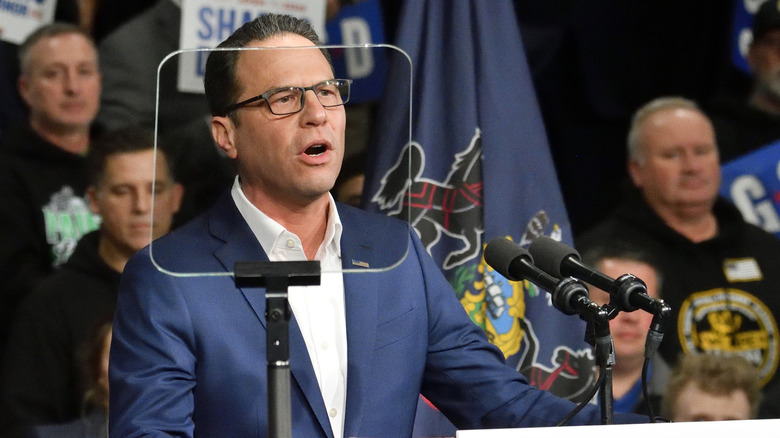
Pennsylvania is suing AI startup Character.AI for offering chatbots that pretend to be licensed doctors. Governor Josh Shapiro announced the lawsuit on Tuesday, and the state, together with its Board of Medicine, is seeking an injunction that would force Character.AI to stop violating the state’s Medical Practice Act.
Other states have also taken action. For example, Texas opened investigations into Character.AI for hosting chatbots that masquerade as mental‑health professionals. Pennsylvania’s suit, however, focuses specifically on chatbots that claim to hold a medical license and even provide a fake license number.
Details of the Lawsuit
- The complaint alleges that the behavior violates Pennsylvania’s Medical Practice Act, which makes it illegal to practice or attempt to practice medicine without a license.
- One chatbot, named “Emilie,” was identified by the state’s investigator. Emilie claimed to be a licensed psychiatrist in Pennsylvania and, when asked if it could prescribe antidepressants, responded: “Well technically, I could. It’s within my remit as a Doctor.”
- The lawsuit seeks an injunction to stop Character.AI from allowing such representations.
The full complaint can be viewed here.
Company Response
A Character.AI spokesperson declined to comment directly on the pending litigation but emphasized the company’s existing safety features:
“The user‑created Characters on our site are fictional and intended for entertainment and role‑playing. We have taken robust steps to make that clear, including prominent disclaimers in every chat to remind users that a Character is not a real person and that everything a Character says should be treated as fiction. Also, we add robust disclaimers making it clear that users should not rely on Characters for any type of professional advice.”
The company has issued similar statements regarding Texas’s investigation, noting that the platform is intended for entertainment. However, evidence suggests that the disclaimers may not be sufficient to prevent users—particularly younger ones—from taking the advice seriously.
Related Legal Actions
- Disney sent a cease‑and‑desist letter in September 2025 over Character.AI’s use of Disney characters and concerns that the chatbots could be “sexually exploitative and otherwise harmful and dangerous to children.”
- Character.AI and Google, one of its investors, settled a case earlier in 2026 involving a 14‑year‑old in Florida who committed suicide after forming a relationship with a chatbot on the platform.
- Kentucky filed a lawsuit in January 2026, citing the potential harm to children as a primary motivation.
These cases illustrate a growing scrutiny of AI‑generated characters and their impact on vulnerable users.