
Optical device beams data at speeds up to 25 Gbps via light, up to 25 kilometer range with ultra-low latency — Taara Beam uses silicon photonics technology, device about as big as a shoebox
Source: Tom’s Hardware
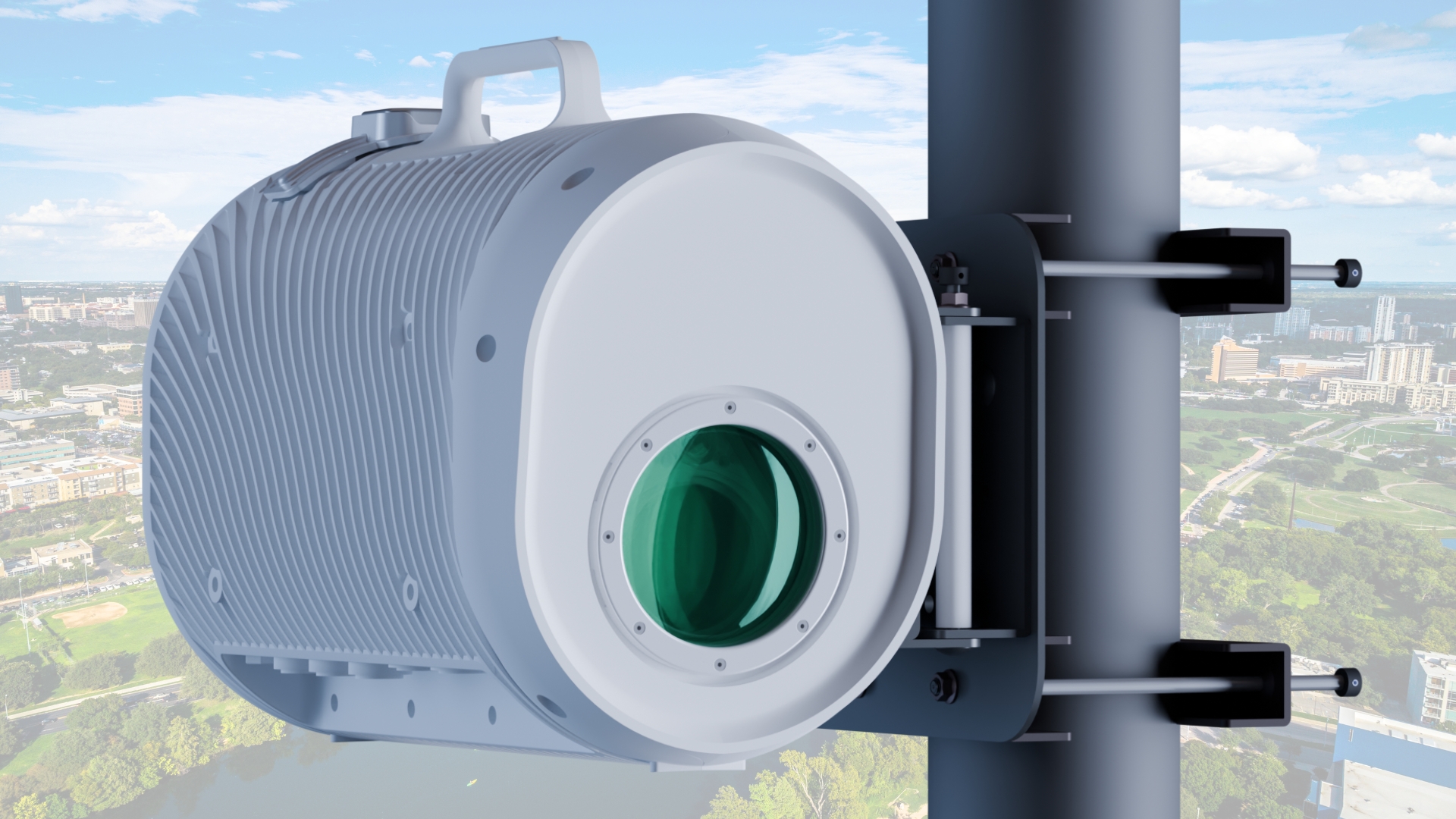
Image credit: Taara
Taara, a company specializing in free‑space optical communication, has released the Beam—a shoebox‑sized device that uses its proprietary Photonics Platform to deliver up to 25 Gbps of bidirectional throughput. The company states a range of 10 km with ultra‑low latency, positioning it as a solution for AI‑driven applications.
Comparison with Lightbridge
-
Beam
- Throughput: 25 Gbps
- Range: 10 km
- No moving parts (optical phased array)
- Silicon photonics‑based
-
Lightbridge (previous generation)
- Throughput: 20 Gbps
- Range: 20 km
- Uses mechanical parts for beam alignment
- Deployed in over 20 countries with carriers such as T‑Mobile, Vodafone, Airtel, and Digicel
The Beam’s lack of moving parts allows faster deployment—hours instead of weeks or months—and flexible installation on towers, rooftops, or mountaintops, provided a clear line of sight (LOS) is maintained.
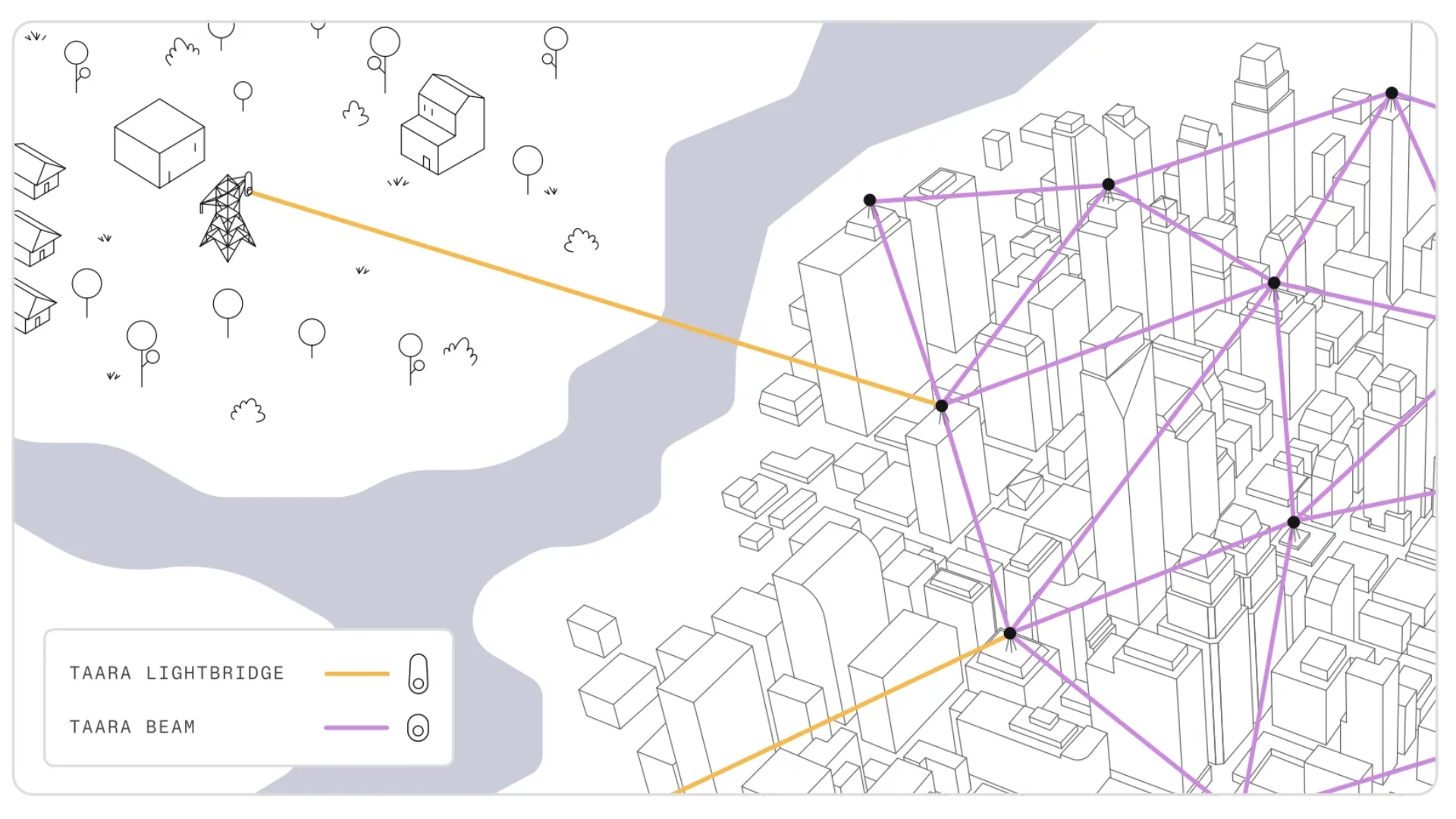
Image credit: Taara
Silicon Photonics and Optical Phased Array
The Beam employs silicon photonics to create an optical phased array with over a thousand miniature emitters. This array can:
- Track, shape, and steer beams electronically
- Eliminate the need for mechanical steering mechanisms
- Reduce power consumption and device size
Taara suggests that this technology will enable future generations of more capable and efficient optical transceivers, drawing a parallel to the historical scaling trends seen in semiconductor development (e.g., Moore’s Law).
Future Prospects
While Taara has not disclosed specific roadmaps, the company notes that silicon photonics could drive continual improvements in performance and integration, similar to the evolution of traditional semiconductor chips. Other firms are also advancing the field; for example, a startup backed by Bill Gates has demonstrated an optical transistor that is 10,000 × smaller than existing technology and capable of handling large matrix multiplications.
Limitations
- Weather sensitivity: Fog, heavy rain, smoke, and other visibility‑reducing conditions can disrupt the optical link.
- Line‑of‑sight requirement: Obstructions that block LOS will interrupt communication.
To mitigate these issues, Taara markets the Beam as part of a light mesh network, allowing traffic to be rerouted through alternate nodes. Additionally, the Lightbridge Pro variant adds an automatic RF or fiber backup, enabling seamless switching when atmospheric conditions degrade optical performance.
References
- Taara announcement: Introducing Taara Photonics and Beam
- Google X development lab background: Tom’s Hardware – Google tag
- Optical transistor breakthrough: Bill Gates‑backed silicon photonics startup develops optical transistors 10,000× smaller