
My theory about the Galaxy S26 design was right, but I’m worried it’s not enough
Source: Android Authority
Ryan Haines / Android Authority
It’s fun to be right. I love that warm, fuzzy feeling of satisfaction—whether it’s a sports bet that hits, an obscure fact that becomes useful, or just knowing the name of a song that’s playing without Google’s help. This time I’m especially smug because I guessed what Samsung would do with its Galaxy S26 design a generation early.
But, like all things, I have to take the bad with the good. Even though I’m thrilled that I predicted one part of Samsung’s update that will bring personality back to its flagships, I’m worried about everything else that might come out of Unpacked. Here’s what I think Samsung is still going to get wrong.
Much deserved kudos to the Galaxy A design team
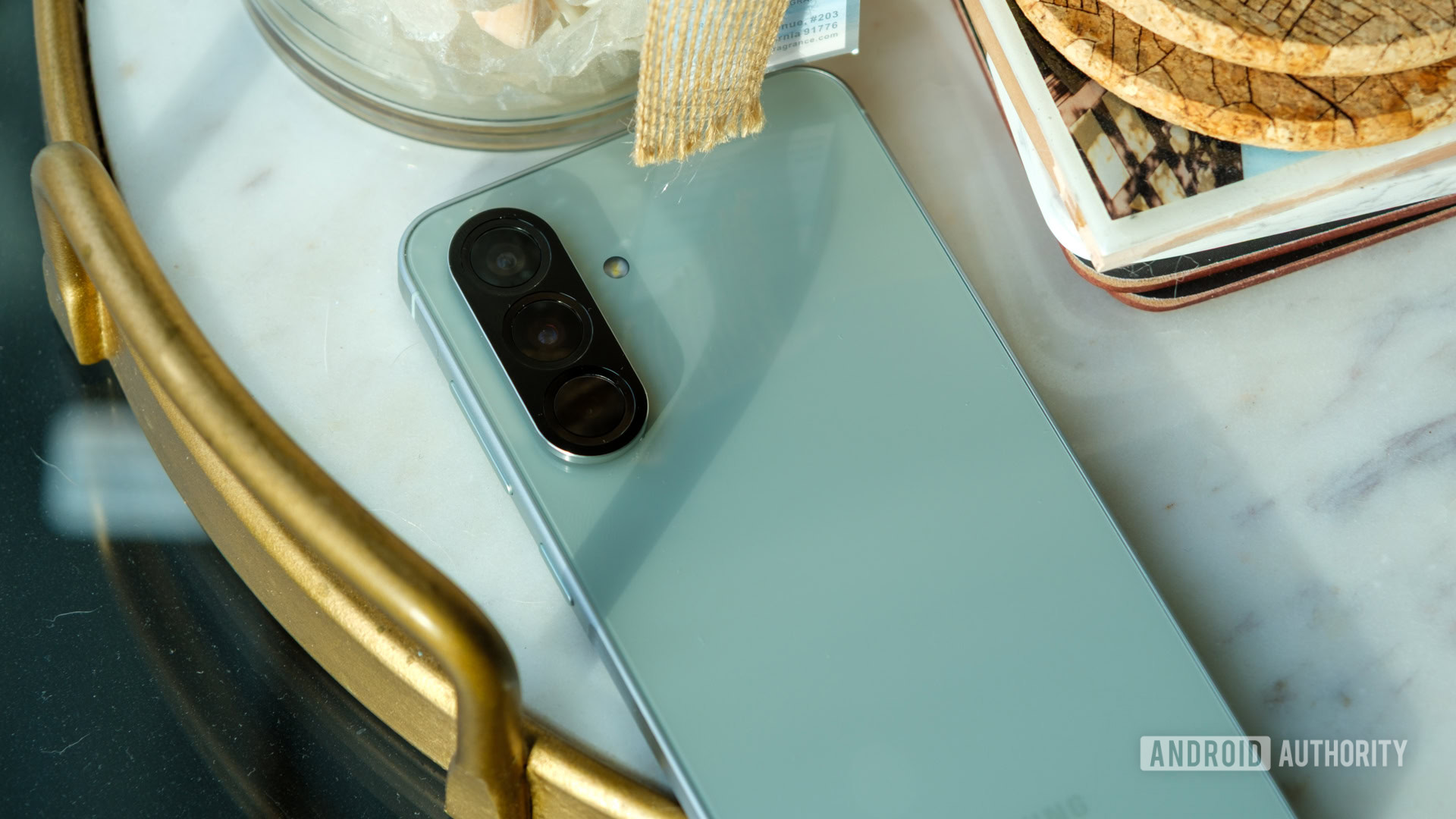
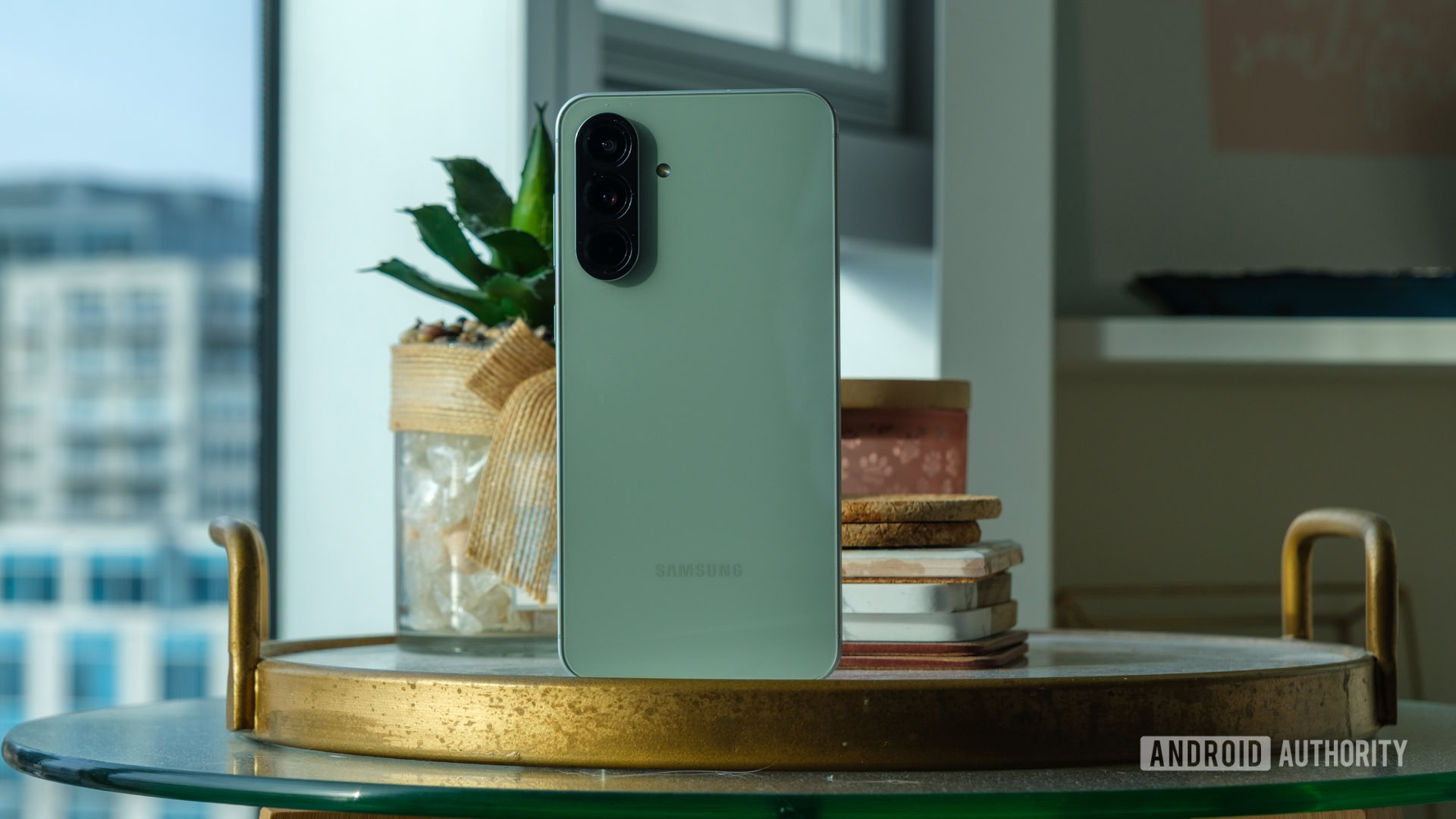
Before I get to my fears, let me take another minute to say I told you so. I first pointed it out in the Galaxy A56 review, but I noticed the trend a few launches earlier—Samsung’s cheapest designs almost always lead its most expensive. The idea of a raised camera bump was tested on the Galaxy A26 and A36 and continued with the later Galaxy A56. To me, this looked like Samsung putting out feelers for how people might feel about the return of camera bumps.
Clearly the idea was well received. Leaks now point to camera bumps for everyone. After a few years of stripping away anything from the Galaxy S series until its flagships looked generic, Samsung was in dire need of something—literally anything would do.
I’m glad to see Samsung breaking its very generic mold, albeit just barely.
It seems the design team ran a few tests. The first was to introduce a “Key Island” around the power button and volume rocker on the Galaxy AX5 series. That feature still hasn’t made its way beyond the budget lineup, suggesting it might not be popular—or it could simply give the capacitive fingerprint reader more breathing room. Either way, it’s still in the lab.
The return of the camera bump is interesting. On the surface you might think it means serious sensor updates, since the bump frees up space in the chassis. Digging deeper, however, suggests the new look might be only skin‑deep.
Don’t get me wrong—I like the new look purely because it’s, well, something—but I don’t think it actually addresses many of Samsung’s real issues.
So, this is just a facelift?
Ryan Haines / Android Authority
Usually an aesthetic update comes with a few more upgrades: maybe a charging boost, a bigger battery, a new camera sensor—any one of those would be nice. Instead, according to recent leaks, Samsung seems content to do… almost nothing.
The base Galaxy S26 finally gets a bigger battery: the 4,000 mAh cell of its predecessor is replaced by a 4,300 mAh unit, bringing it in line with the split‑cell design of the Galaxy Z Flip 7. That narrows the gap with the Pixel 10 from 900 mAh to 600 mAh.
If there’s one good thing about Samsung’s battery and charging setup, it’s that the Galaxy S26 Ultra is projected to bump wired charging from 45 W to 60 W, which will fill its 5,000 mAh cell a bit faster before thermal throttling kicks in. However, there’s no sign of new magnetic accessories or the upcoming Qi 2 power; Samsung is sticking with its existing case‑based strategy.
And if you were hoping for new camera sensors, you’ll have to keep waiting. The wide, ultrawide, and telephoto lenses appear to be the same as on the previous generation—same sizes, same resolutions, same everything. It’s hard to overstate how disappointing this is, especially after Samsung barely changed the sensors from the Galaxy S24 series either.
Unfortunately, this suggests the bulk of Samsung’s Galaxy S26 strategy is “Galaxy AI here, there, and everywhere.” That wasn’t exciting two years ago, nor was it a selling point last year, but here we are. Samsung will probably follow Google’s lead, adopt the best features from everyone else, and trust people to buy based on that. If they do, I’ll have a bridge to sell them, too.