
Muse Spark is Meta’s answer to Gemini — and it’s a full reboot
Source: Android Authority
TL;DR
- Meta is resetting its AI strategy with a new model, Muse Spark, and a centralized Superintelligence Labs unit.
- The model is designed to be fast, handle complex reasoning, and run multiple AI agents simultaneously.
- Rollout will be gradual, starting with internal testing before a wider release.
Meta’s return to the AI race
Meta is back in the AI race after a challenging Llama 4 launch. The company has introduced a new AI model called Muse Spark, alongside a major restructuring now known as Superintelligence Labs. This unit consolidates research, product development, and infrastructure to break down internal barriers that previously slowed progress.
The company has been managing several AI projects across different teams, including the Llama models, generative AI features in its apps, and experimental research. Muse Spark aims to bring all these efforts into a more streamlined and focused process.
Purpose‑built for Meta’s products
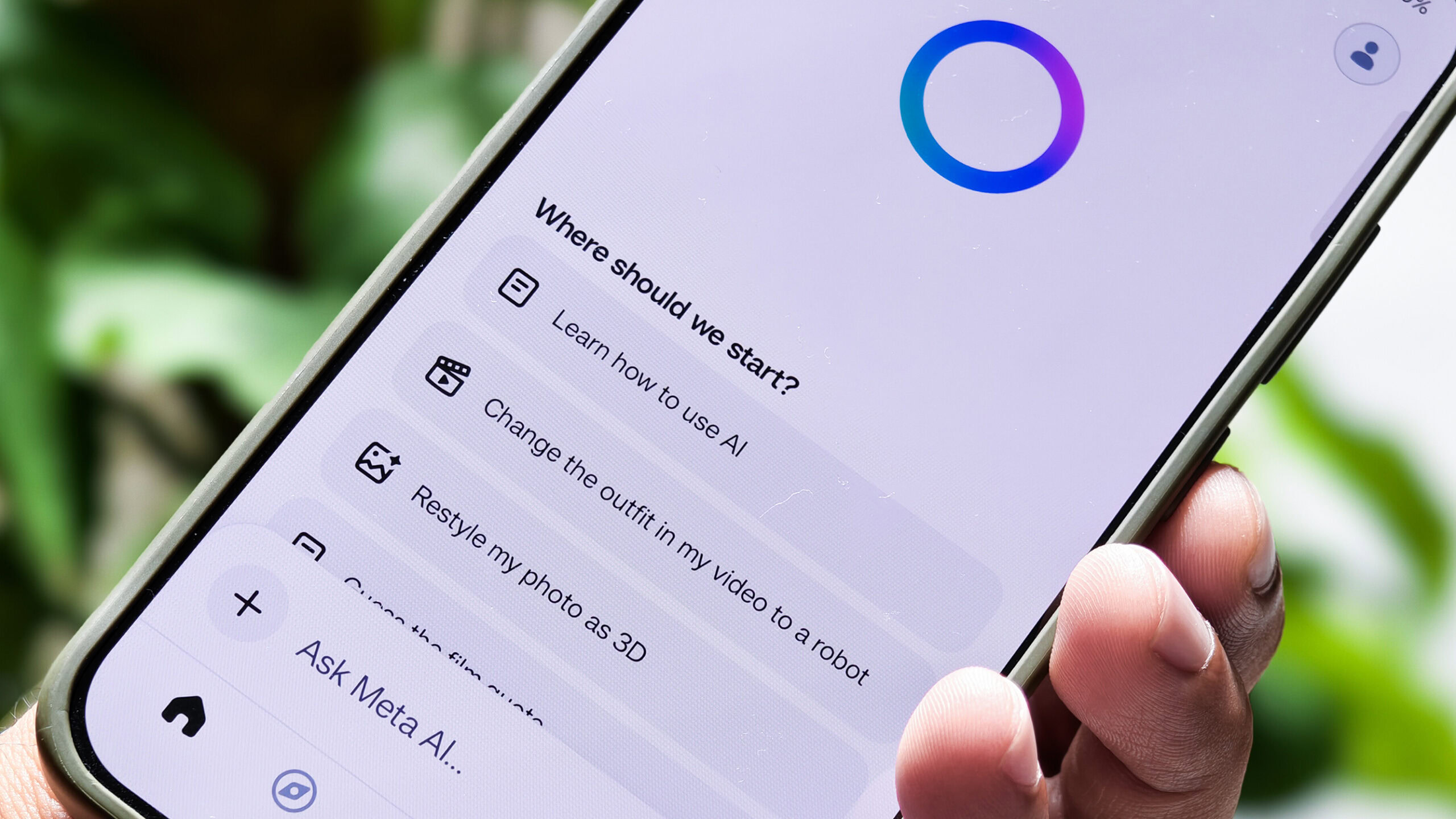
Muse Spark is intended to run inside the Meta AI app, meta.ai, and will soon be available on:
- Messenger
- Meta’s AI glasses
Unlike the larger Llama series, Muse Spark is small and fast while still capable of handling complex science, math, and health questions.
Improved reasoning and real‑time interaction
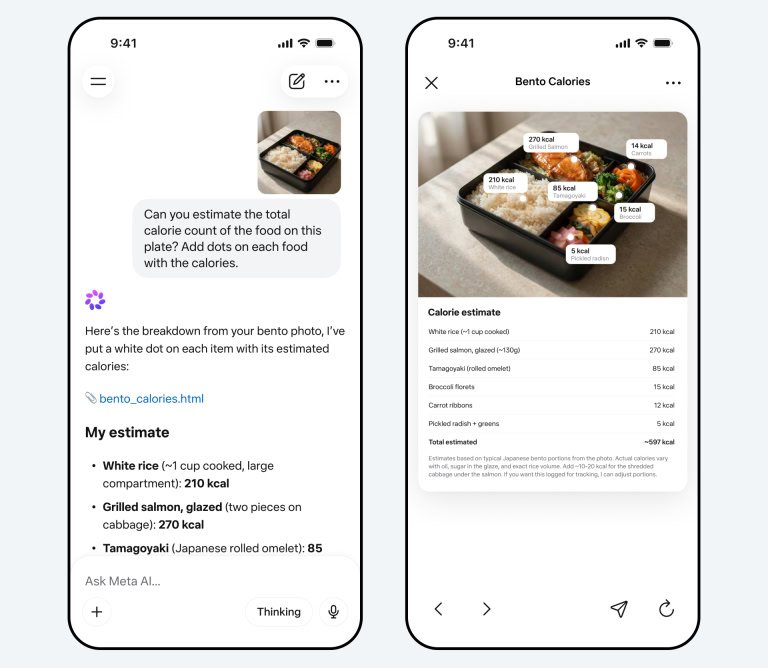
Muse Spark brings better reasoning, content generation, and real‑time interaction, which translates into:
- More engaging chat experiences
- Smarter assistants across Meta’s platforms
- More responsive AI tools for Facebook, Instagram, and WhatsApp
Personalization focus
The model is built to better understand user context and deliver more relevant results, making the AI feel more tailored to individual usage patterns within Meta’s ecosystem.
Gradual rollout
Muse Spark will not be available to everyone immediately. The rollout plan includes:
- Internal testing and select integrations
- Expansion to developers
- Eventual release to all users
This phased approach gives Meta time to improve performance and address safety concerns. Stronger safeguards and evaluation systems are being incorporated from the outset.