
Mina the Hollower is the best old-school action adventure I've played in a while
Source: Ars Technica
The Legend of Mina
Smooth movement, compelling combat, and tons of secrets make for an innovative throwback.
Old‑school graphics meet new‑school sprite‑processing limits.
Credit: Yacht Club Games
Overview
Modern Legend of Zelda games like Breath of the Wild are built around Link’s ability to run, climb, and jump with the best of them. In the older, top‑down Zelda titles, gaining new mobility was a banner event. Finding items such as the speed‑enhancing Pegasus Boots in A Link to the Past or the jump‑granting Roc’s Feather in Link’s Awakening turned methodical exploration into something far more kinetic—almost like a top‑down platformer.
Mina the Hollower captures that kinetic feeling from the very start. As the titular mouse‑like Hollower, you can:
- Jump up and burrow into soft soil.
- Zip under obstacles and past enemies with satisfying pep.
- Pop out after a short sojourn underground with an extended jump that quickly becomes second nature.
The simple movement system is packed with energy and verve, making Mina a joy to control. Whether you’re:
- Burrowing away from an enemy attack only to circle back for a quick counter,
- slipping through a tiny hole to uncover a labyrinthine secret corridor, or
- hopping across a series of gaps on inflatable, balloon‑like pads,
the experience feels fluid and rewarding.
Visuals & Controls

Credit: Yacht Club Games
Navigating maze‑like rooms like this is sheer joy thanks to the game’s smooth control scheme.
Depth & Replayability
Add an intricate upgrade system, a sprawling, well‑designed map, compelling combat, and a huge variety of secrets to uncover, and you’ve got one of the best homages to—and expansions on—the classic Zelda formula that I’ve ever played (with elements of Castlevania thrown in for good measure).
Mina the Hollower stands out from the crowded field of Zelda clones to be an instant contender for one of the best games of 2026.
Characters and Combat
The core narrative of Mina the Hollower follows Mina’s quest to restore six broken, towering spark generators across Tenebrous Isle—devices she designed to bring electricity and prosperity to the world. As the game progresses, Mina gradually discovers the generators’ negative side effects and the sinister cover‑ups surrounding them. What begins as a straightforward climate‑change allegory builds toward a touching, albeit not entirely bleak, conclusion (spoilers ahead).
Characters
Mina the Hollower is populated with colorful NPCs whose dialogue shines through efficient, fun writing.
- Signpost characters guide you toward objectives.
- Quirky characters appear with non‑sequitur remarks and witty turns of phrase that keep the experience fresh.
You never know when an ostensible friend might turn into a pickpocket you need to chase, or when a “hard‑luck” case you’re rescuing will transform into a terrifying mini‑boss.
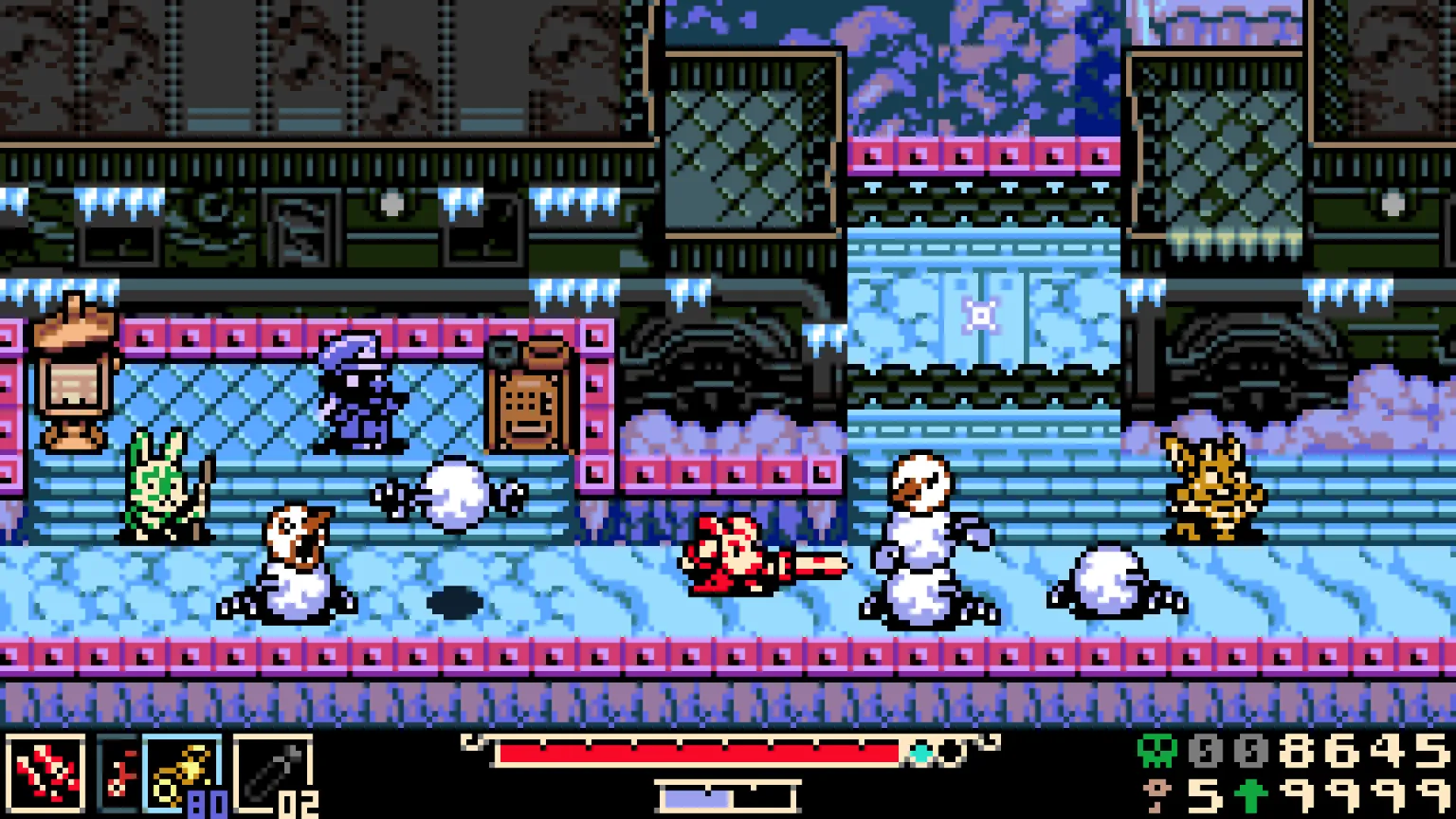
Unlike real‑life snowmen, these guys don’t just stand still and take your abuse.
Credit: Yacht Club Games
Combat
- Bosses are imposing and varied, serving as major highlights.
- Basic enemies feel purposeful; they hover just out of range before darting in for attacks.
The game rewards careful positioning and patience, punishing mindless aggression.
Healing
A pack of refillable potions restores health, but you must land your own attacks to maximize their effect. Using a potion leaves you immobile and vulnerable for a few crucial seconds, adding risk even to simple health restores.
Difficulty & Progression
If you struggle with reflex‑heavy sections, you can grind weaker enemies for in‑game bones to purchase offensive and defensive upgrades. The options menu also offers a variety of inventive modifiers to adjust difficulty—making the game easier, harder, or simply weirder.
Overall, Mina the Hollower blends a compelling narrative with engaging combat and memorable characters, delivering a rewarding experience for players who appreciate strategic play and quirky storytelling.
Mapping it out
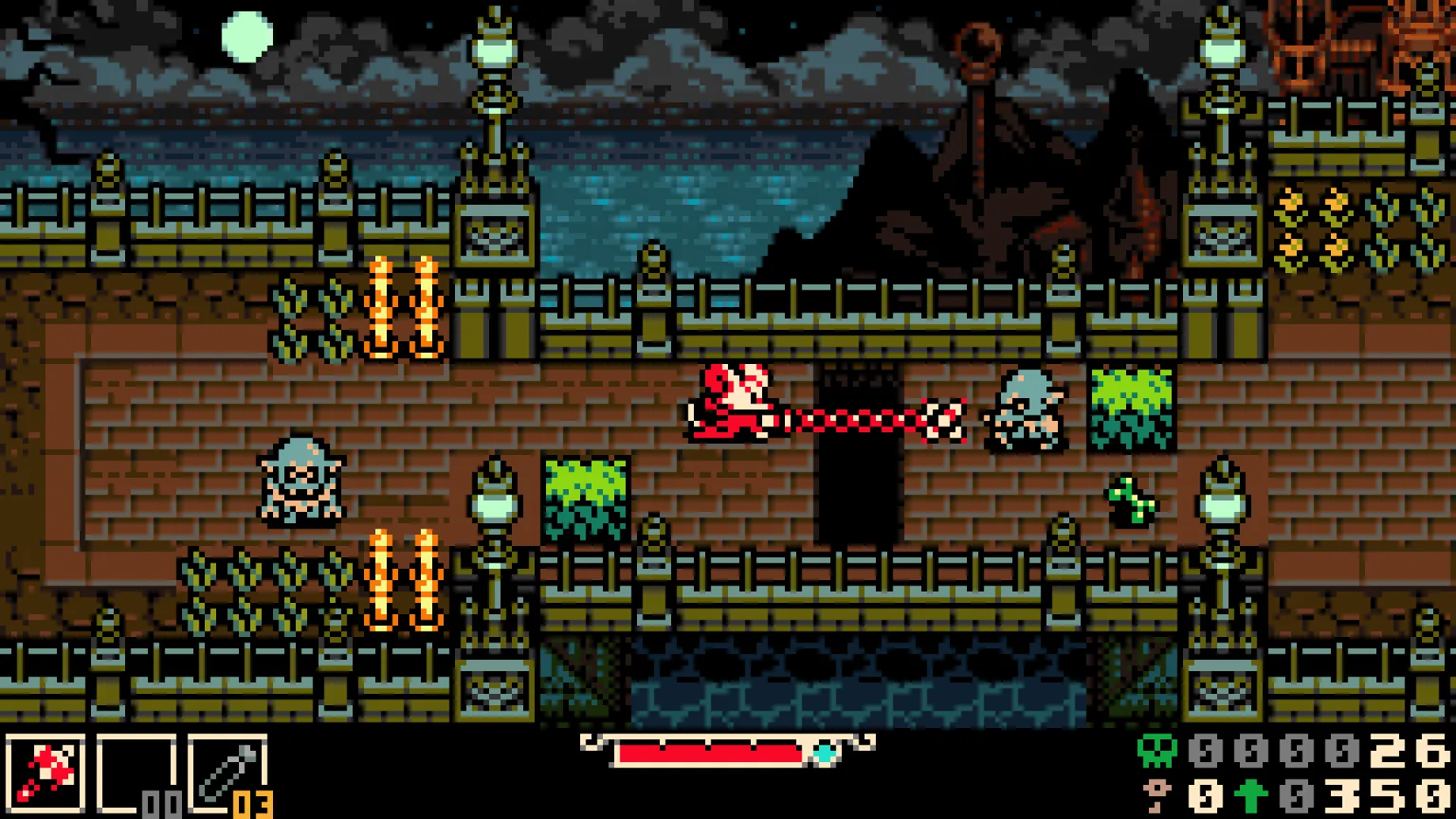
From a vibrant central town hub, Mina the Hollower’s sprawling map splits off into six highly varied dungeons, each culminating in a thrilling climb up a generator tower. Just getting to these dungeons feels like half the challenge at points, with each route requiring some intricate positional puzzle‑solving to clear a path. You might find yourself escorting bombs across a swampy marsh, intentionally falling between floors, or digging under transparent, impermeable panels to find the right way through these mazes.
Unlike many other Zelda‑inspired action‑adventure games, there’s no set order to the dungeons you take on. The game will gently nudge you toward challenges it thinks you’re ready for, but nothing is gated behind an item or ability you have to earn from an earlier challenge.
Credit: Yacht Club Games
That said, dozens of helpful trinkets are hidden throughout the landscape. They can improve your movement, aid your attacks, or increase your resilience. I constantly got sidetracked from the main path to find hidden challenge rooms or platform pathways behind random bushes, each leading to one of these useful items. By the time I rolled the credits after about 20 hours, I had only found 54 % of the items the game offers.
Throughout the overworld and each dungeon, the intricately designed maps loop back on themselves, with plenty of unlockable shortcuts that prevent excessive backtracking. Despite the retro top‑down visual style, the maps make surprising use of verticality—you’ll often walk under an elevated bridge or past a seemingly inaccessible nook, only to discover its entrance hours later while exploring an unrelated area. This creates a real sense of place and makes you want to keep returning to explore every inch.
I could go on about the imposing, screen‑filling boss designs, the wide variety of primary and secondary weapon options, the masterful pixel art, and the rocking chiptune soundtrack, but those feel like table stakes for a game of this caliber. Mina the Hollower is a triumph of the genre that I’d recommend even to people who don’t consider themselves fans of Zelda‑style games.
Author

Kyle Orland has been the Senior Gaming Editor at Ars Technica since 2012, writing primarily about the business, tech, and culture behind video games. He holds journalism and computer‑science degrees from the University of Maryland and once wrote a whole book about Minesweeper.
Comments omitted for brevity.