
Microsoft is reportedly testing Copilot+ AI features with discrete GPUs instead of NPUs — a feature available on Windows App SDK with a Windows Insider Experimental Channel build and Developer Mode turned on
Source: Tom’s Hardware
(Image credit: Microsoft)
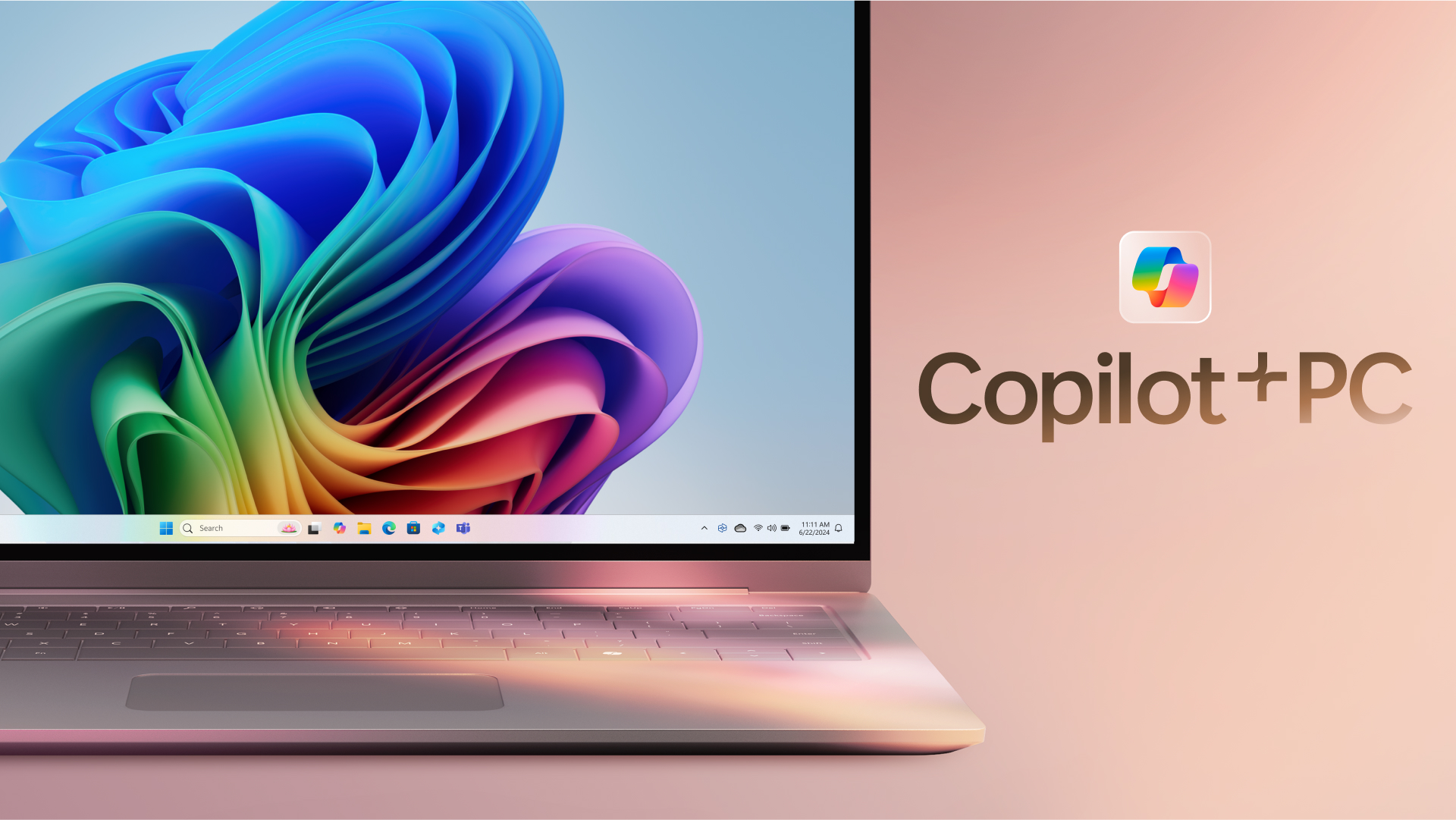
Copilot PCs have been around for a couple of years since Microsoft launched them in 2024, and while the company tried to push NPU-equipped laptops towards users to take advantage of these new features, it seems that it’s planning to reverse course. According to Windows Latest, an experimental Windows App SDK available on GitHub now lets you run Language Model APIs on supported GPUs, starting with the Nvidia GeForce RTX 30-series cards with at least 6GB of VRAM. However, it also requires a Windows Insider Experimental Channel and Developer Mode switched on. Hence, you need to go through some hoops to turn on local AI inferencing on Windows, even if you don’t have an NPU-equipped device.
You still won’t get all the features found in a Copilot+ PC even if you went through all the hoops to activate this feature, but it’s a sign of things to come for local AI on Windows PCs, in general. It’s still not clear why Microsoft is seemingly abandoning the Copilot+ PC advantage it has heavily marketed in recent years, though RAM pricing might play a role, but this is good news for the millions of users who were locked out of Copilot features simply because their processors don’t have a built-in NPU (neural processing unit). This also opens Windows’ AI features to desktop users, who typically don’t have processors that support NPUs.
What’s interesting is that NPUs aren’t necessarily more powerful than GPUs for AI processing — it’s just that they’re more efficient, making them crucial for laptops with limited battery life. And because not all laptops come with a discrete GPU (which are mostly found on gaming and high-end laptops), it also allowed Microsoft to include AI features on more affordable Windows 11 PCs. Another reason Microsoft could be looking to expand Copilot+ features to non-NPU-powered devices is that AI didn’t actually take off the way it had hoped. A research firm in 2024 said that people didn’t purchase AI PCs because of their features — instead, they bought them because they’re what’s available if they need to upgrade.
The situation is worsening in 2026, as the AI data center-driven shortage of memory and storage chips is pushing computer prices to unprecedented highs. This has resulted in a collapse in sales for PCs and their components, with entry-level laptops expected to disappear by 2028. People not buying new NPU-equipped PCs would limit the adoption of Copilot+ PCs and the AI features they offer. By expanding the availability of AI features to non-Copilot+ PCs, Microsoft will increase its user base and help differentiate Windows 11 from the competition, especially as Windows is slowly bleeding users to macOS and Linux.

Follow* Tom’s Hardware on Google News*, or* add us as a preferred source*, to get our latest news, analysis, & reviews in your feeds.
Get Tom’s Hardware’s best news and in-depth reviews, straight to your inbox.
Jowi Morales is a tech enthusiast with years of experience working in the industry. He’s been writing with several tech publications since 2021, where he’s been interested in tech hardware and consumer electronics.