
Japanese toilet maker 'the most undervalued and overlooked AI memory beneficiary,' investors claim — shares up nearly 40% in first two months of 2026
Source: Tom’s Hardware
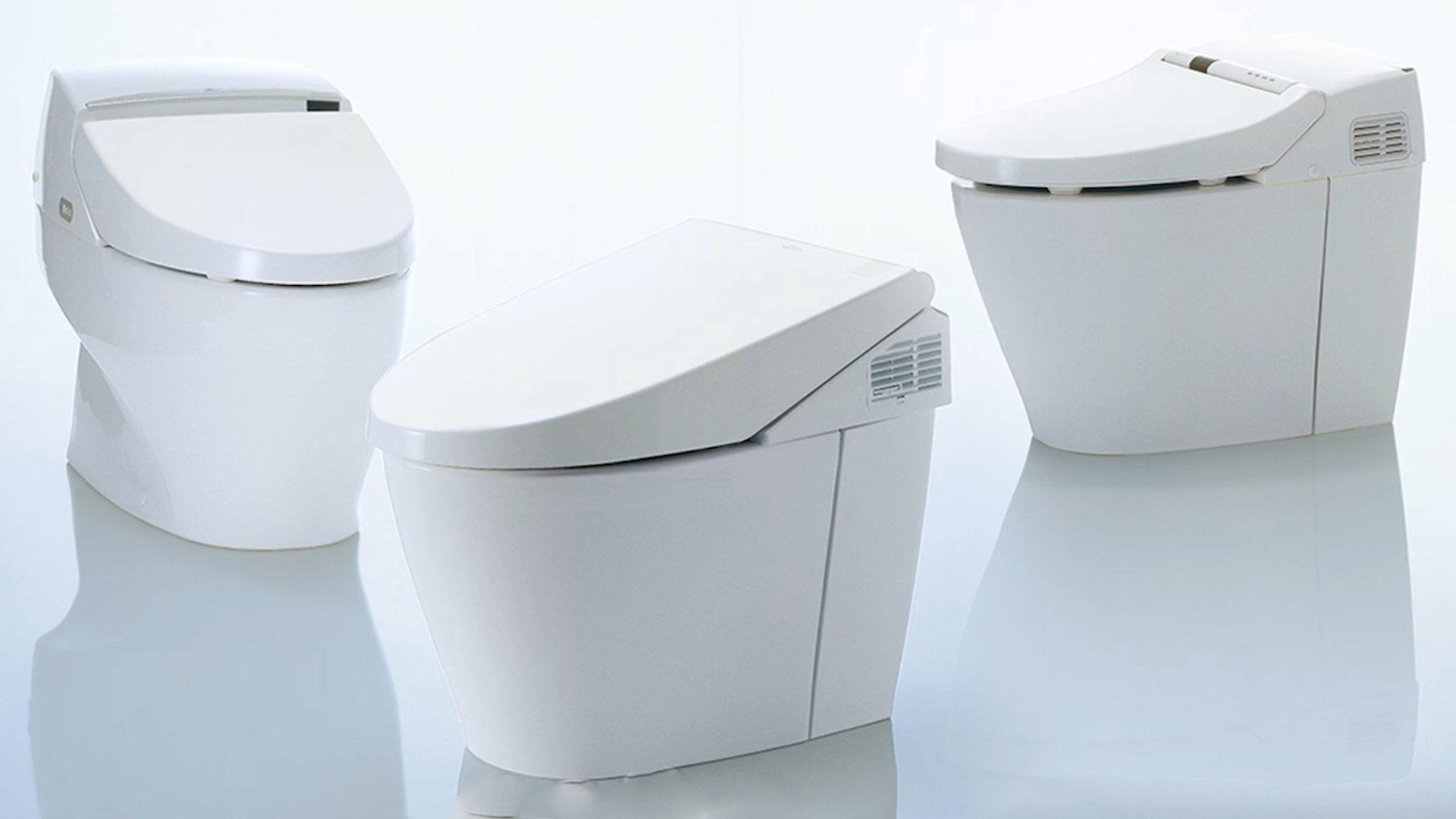
Image credit: Toto
Background
Japan’s Toto, long known for heated bidets and “Washlet” technology, is now being highlighted for its advanced ceramics business. A recent Financial Times report notes that UK‑based activist investor Palliser Capital has entered Toto’s shareholder registry and sent a letter to the board claiming the company is “the most undervalued and overlooked AI memory beneficiary.” The claim ties Toto’s ceramics—specifically electrostatic chucks used in semiconductor manufacturing—to the booming AI‑driven demand for memory chips.
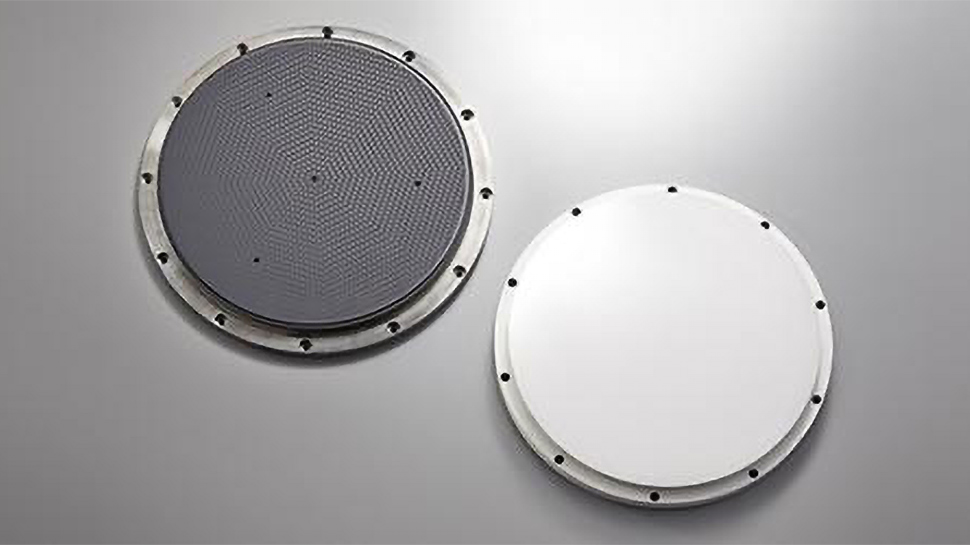
Electrostatic chucks produced by TOTO (Image credit: Toto)
Activist Investor Push
Palliser is urging Toto to:
- Provide clearer market communication about its ceramics segment.
- Streamline capital allocation.
- Deploy its roughly ¥76 billion (≈ $496 million) net cash more strategically, potentially expanding the ceramics business ahead of rivals.
Goldman Sachs and other research desks have previously highlighted profit potential in these components, lifting ratings on the assumption of a rebounding NAND market.
Market Reaction
Toto’s share price has risen nearly 40 % in the first two months of 2026, driven by analyst coverage and the activist’s news flow. The rally reflects investors’ focus on:
- Revenue and profit signals from the ceramics segment.
- Anticipated demand from memory fabs expanding capacity to meet AI‑related workloads.
While Palliser’s five‑year “technological moat” thesis is bullish, it remains a shareholder pitch rather than an independent guarantee. The growth outlook for electrostatic chucks, though plausible, still depends on broader memory‑fab investment cycles, which have shown caution amid concerns of an AI “bubble”【source】(https://www.tomshardware.com/tech-industry/semiconductors/tsmc-very-nervous-about-ai-bubble-concerns-despite-another-record-setting-quarter-but-assured-of-demand-ceo-says-careless-investment-would-be-a-disaster-for-tsmc-for-sure-company-will-invest-usd52-usd56-billion-in-capex).
Broader Context
Toto’s shift from bathroom fixtures to semiconductor‑grade materials illustrates how AI is reshaping investor perspectives on supply chains. Similar trends are emerging in Japan:
- Ajinomoto is developing materials for chip substrates【source】(https://www.tomshardware.com/tech-industry/semiconductors/ai-chip-boom-sparks-bt-substrate-materials-shortage-tsmcs-huge-demand-causes-supply-disruptions-for-nand-flash-controllers-ssds).
- Cosmetics firms are producing wafer‑cleaning agents【source】(https://www.tomshardware.com/tech-industry/semiconductors/toilet-maker-toto-scores-a-royal-flush-as-share-price-rises-due-to-ai-demand-in-unlikely-chipmaking-side-gig-japanese-company-develops-electrostatic-chucks-to-hold-silicon-wafers-in-lucrative-segment).
These examples underscore that AI’s impact extends beyond traditional chip makers to the materials and components that enable chip production.