
I’ve tested tons of projectors — here’s what they don’t tell you about brightness levels
Source: Android Authority
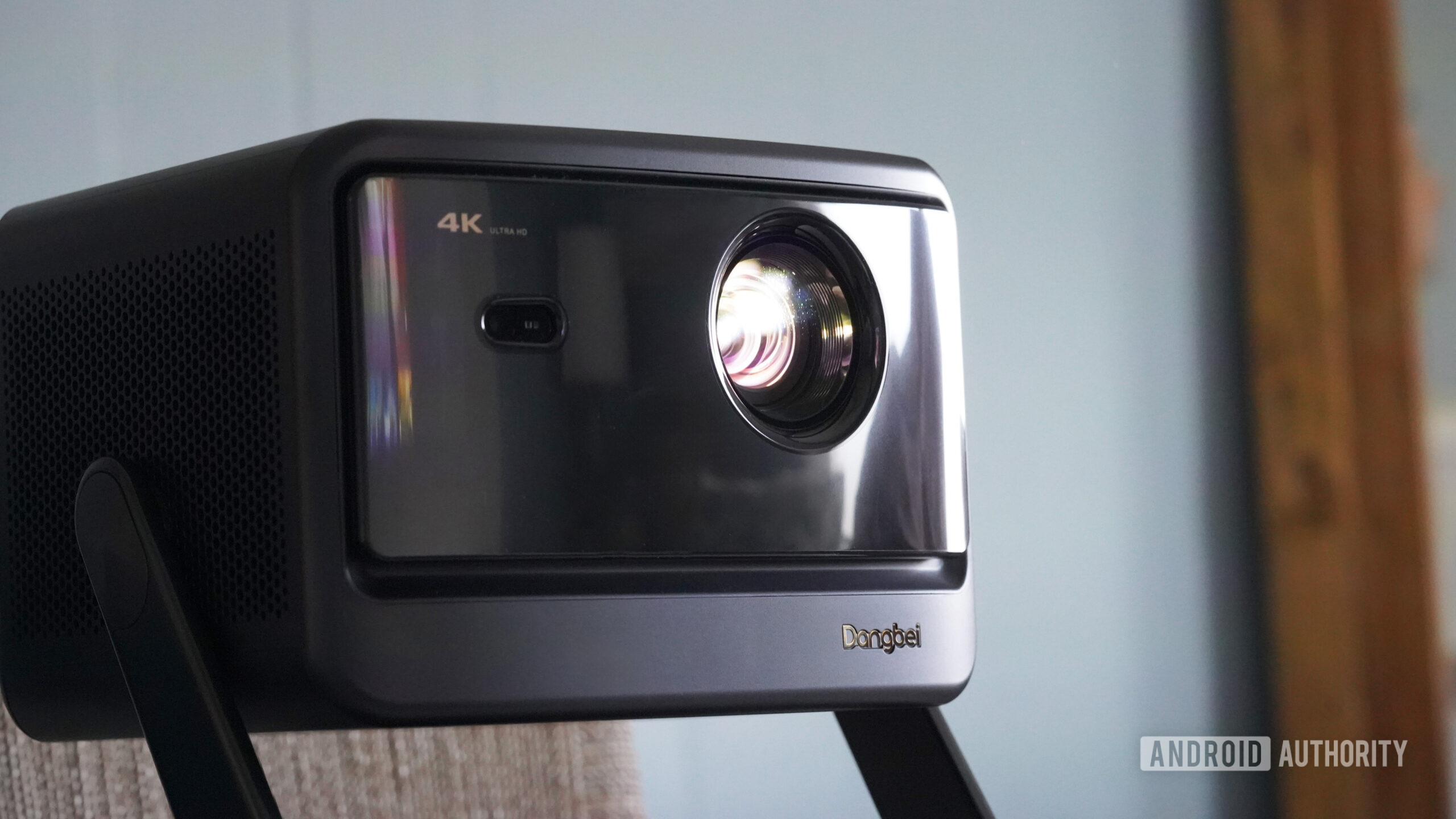
What used to feel like a niche category for home‑theater diehards is now pushing into everyday spaces, with portable models, lifestyle designs, and ultra‑short‑throw setups doubling as TV replacements. Along the way, one spec in particular keeps climbing: brightness.
On paper, more lumens should mean a better, more usable image — especially in a room that isn’t perfectly dark. But for most people, once you’re past a certain baseline, the jump from “pretty bright” to “extremely bright” doesn’t change the experience nearly as much as the numbers suggest.
Here’s why chasing lumens isn’t always the upgrade it sounds like.
Would you pay more for a brighter projector?
1. Specs aren’t always standardized
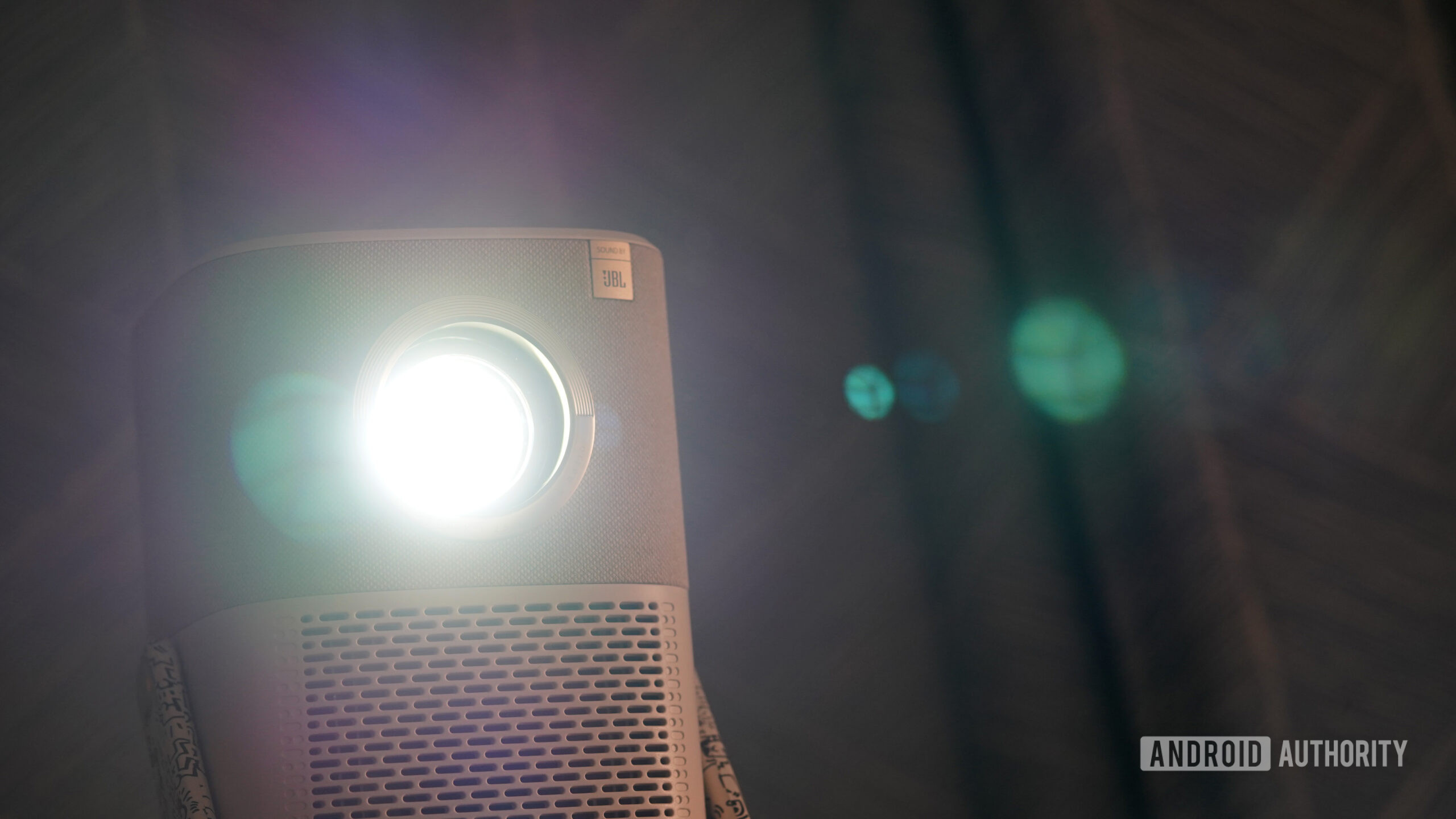
The confusion starts at the spec sheet. Even when brands stick to standardized measurements like ANSI or ISO, those numbers are captured under controlled test conditions that don’t always reflect how a projector is actually used. Others lean on less clearly defined metrics, which only adds to the inconsistency. The result is that two projectors with similar brightness ratings can look noticeably different once you’re set up at home.
2. Your room has the biggest impact
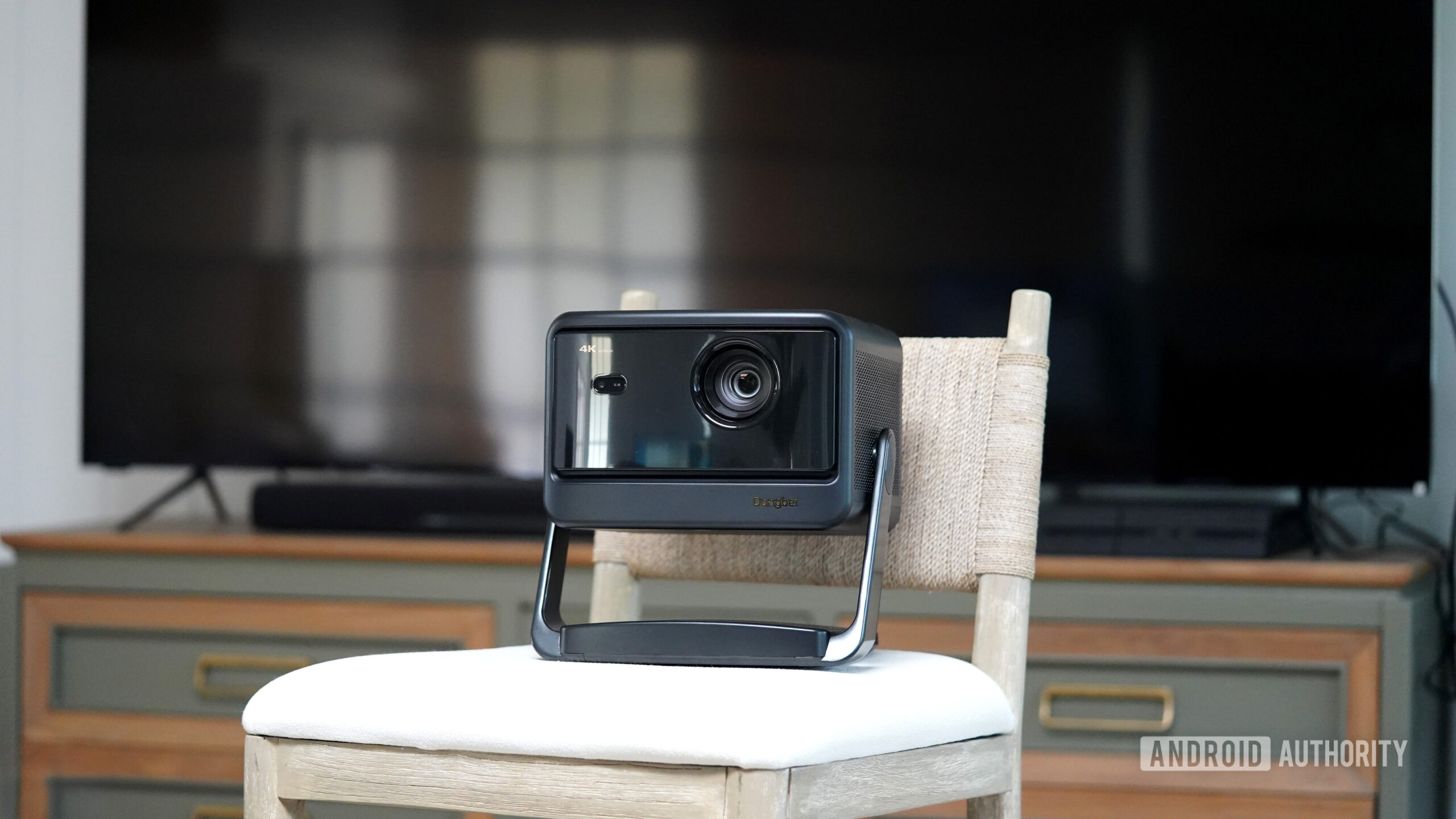
If you’re watching in a darkened space, you’ll hit diminishing returns on brightness pretty quickly, so adding more lumens won’t change the image as much as the numbers suggest. Ambient light, however, is a much bigger variable in everyday use. A lot of projector marketing assumes you’re throwing a massive image in a bright room, but most setups land around 80–120 inches and have at least some light control. With those conditions, mid‑range brightness is often adequate.
If you’re planning to use a projector in a living room as a TV replacement, brightness matters more. Higher lumens keep the image from washing out once daylight hits.
3. Upgrading your screen might be the better play
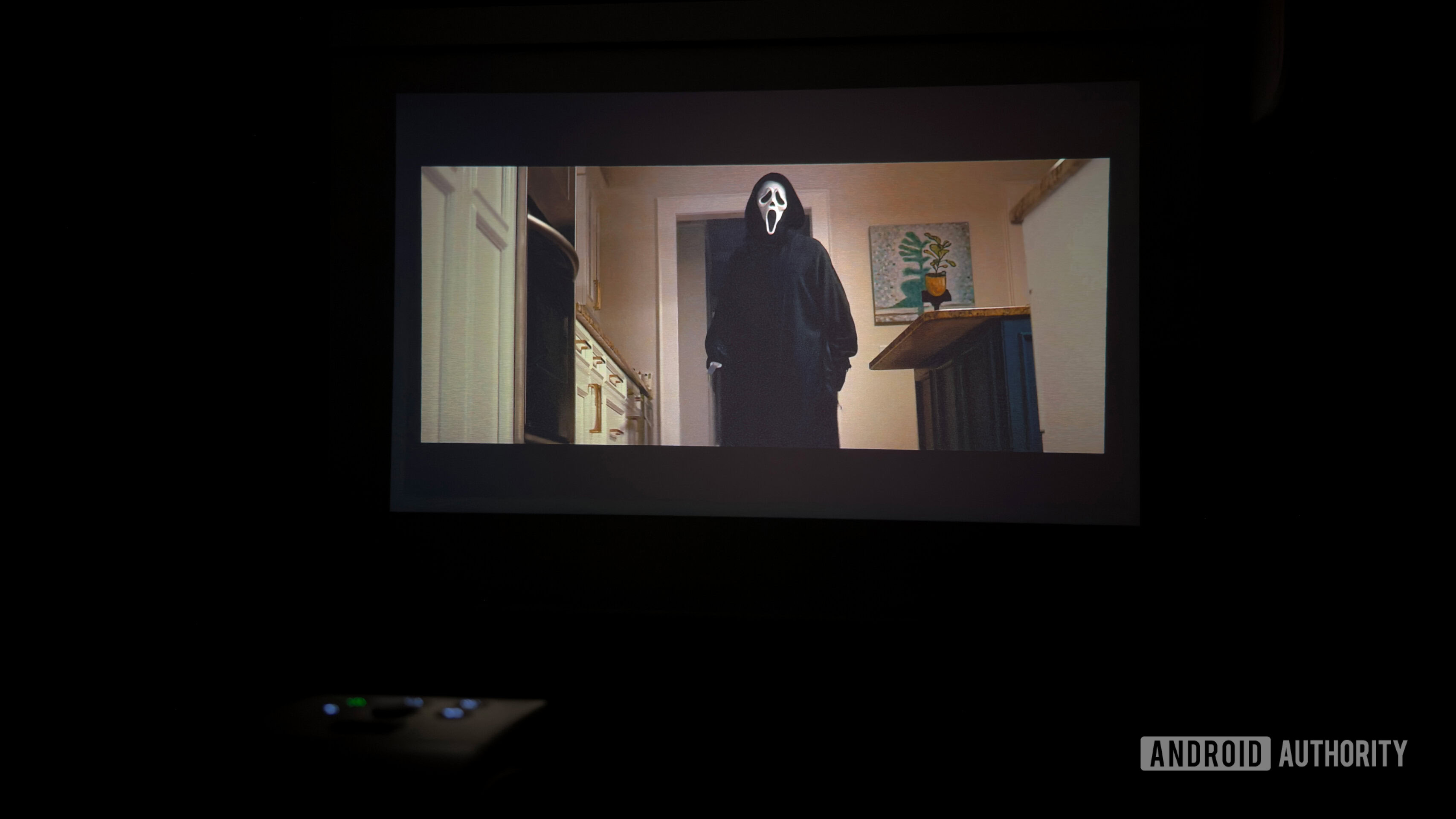
Screen choice matters more than many people realize. An ambient‑light‑rejecting (ALR) screen can significantly improve perceived brightness and contrast without changing your projector. They aren’t cheap, but even switching from a wall to a basic matte white screen can noticeably tighten up the image as much as jumping up a brightness tier.
4. Contrast matters too
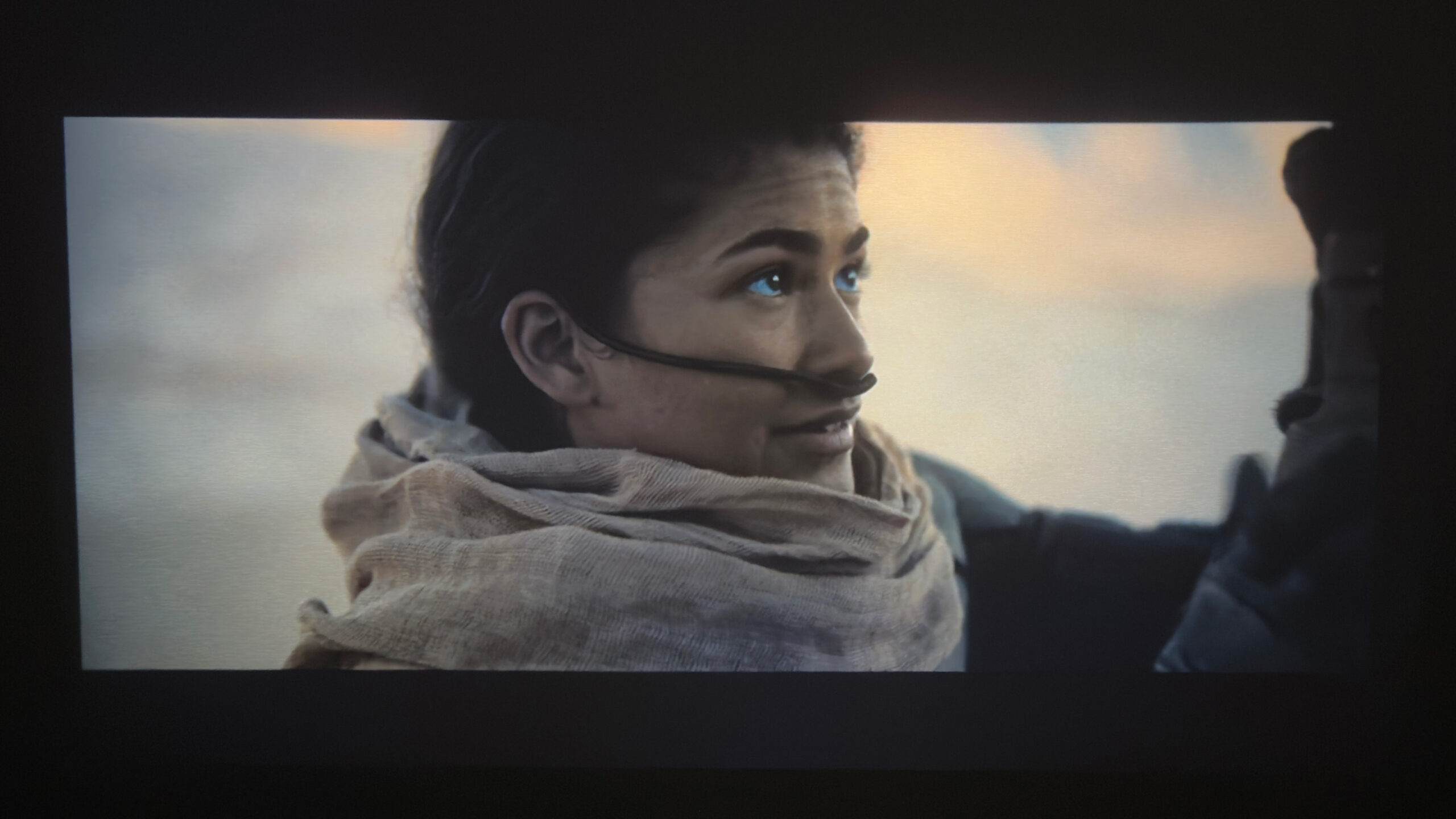
Brightness tells you how much light a projector can throw, but contrast does more to shape how good your image actually looks. Deep blacks and bright highlights create depth and detail, while poor contrast leaves even a very bright image flat. One of my go‑to test films, Dune: Part Two, is a good example. Shadowed interiors and blown‑out desert scenes should feel dramatically different, but without strong contrast they settle into a flat, sandy middle ground. For most setups, better contrast will go further than a bump in brightness.
5. Peak brightness probably isn’t what you’re watching
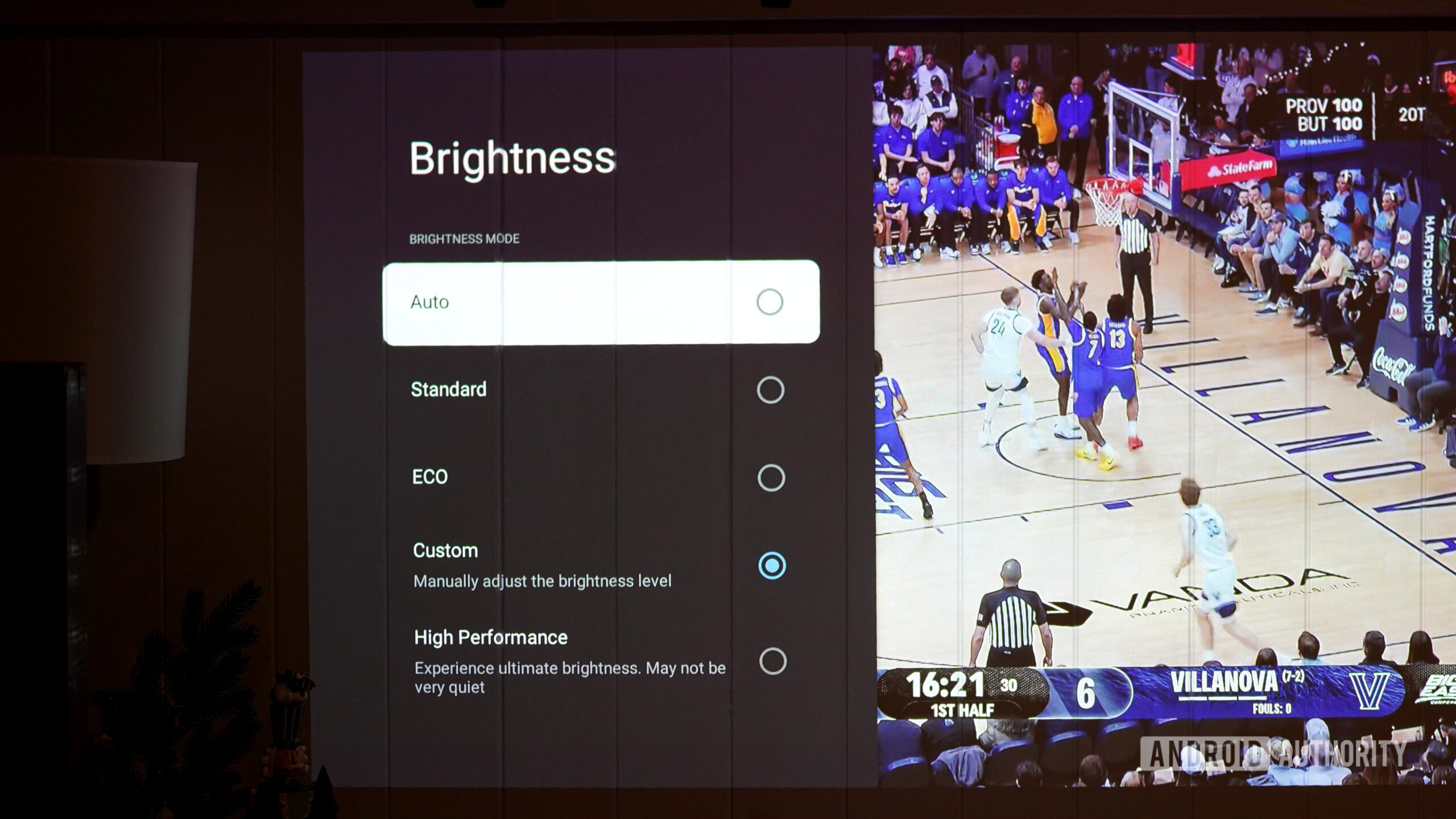
That headline lumen number is typically a best‑case scenario. In practice, projectors balance brightness with color accuracy, noise, and heat. The modes that look the best often don’t run at full brightness, and when they do, it’s not always sustained evenly across content.
Brightness belongs on the spec sheet
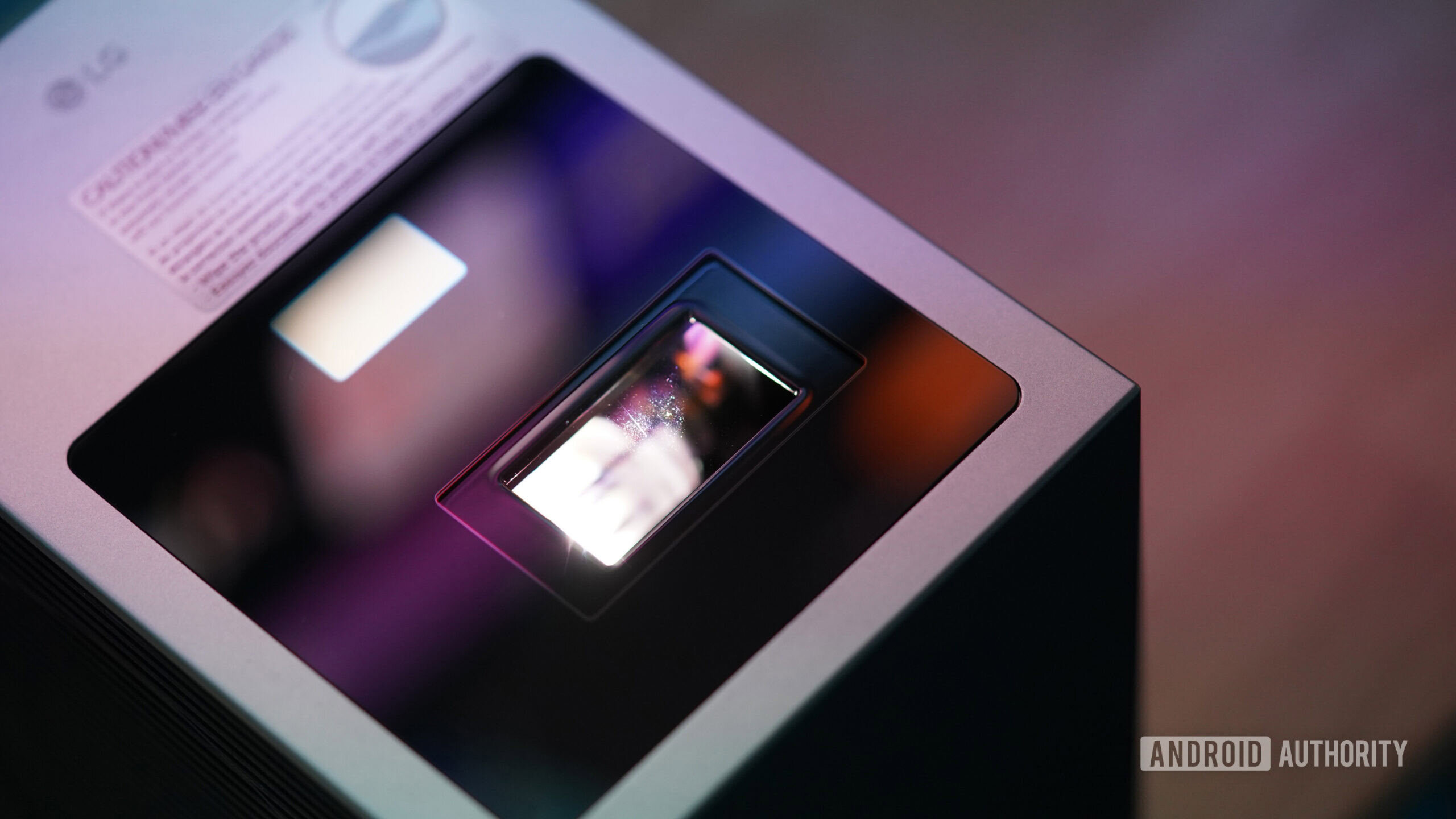
This isn’t to say brightness doesn’t matter. It absolutely does, just not quite as much as marketing suggests. If you’re setting up in a bright room, pushing a very large screen, heading outdoors, or dialing in a dedicated home theater as a cinephile, higher brightness can and will make a real difference.
For everyone else, it’s a bit less critical (at least beyond a certain threshold). It’s an easy spec to market, but the numbers are getting well beyond what a casual shopper needs. You’ll get more out of better contrast, a more controlled environment, and the right screen than you will from chasing extra lumens.