
INTERPOL ‘Operation Ramz’ seizes 53 malware, phishing servers
Source: Bleeping Computer

Overview
More than 200 individuals were arrested for cyber‑crime activities during INTERPOL’s Operation Ramz, which focused on the Middle East and North Africa. Law enforcement also identified another 382 suspects across 13 countries (Algeria, Bahrain, Egypt, Iraq, Jordan, Lebanon, Libya, Morocco, Oman, Palestine, Qatar, Tunisia, and the UAE).
Arrests and Seizures
In addition to the arrests, authorities seized 53 servers used for phishing, malware, and online fraud that affected at least 3,867 confirmed victims, as determined from nearly 8,000 intelligence packages retrieved from the equipment.
“The operation focused on neutralizing phishing and malware threats, as well as tackling cyber scams that inflict severe cost to the region,” reads the INTERPOL announcement.
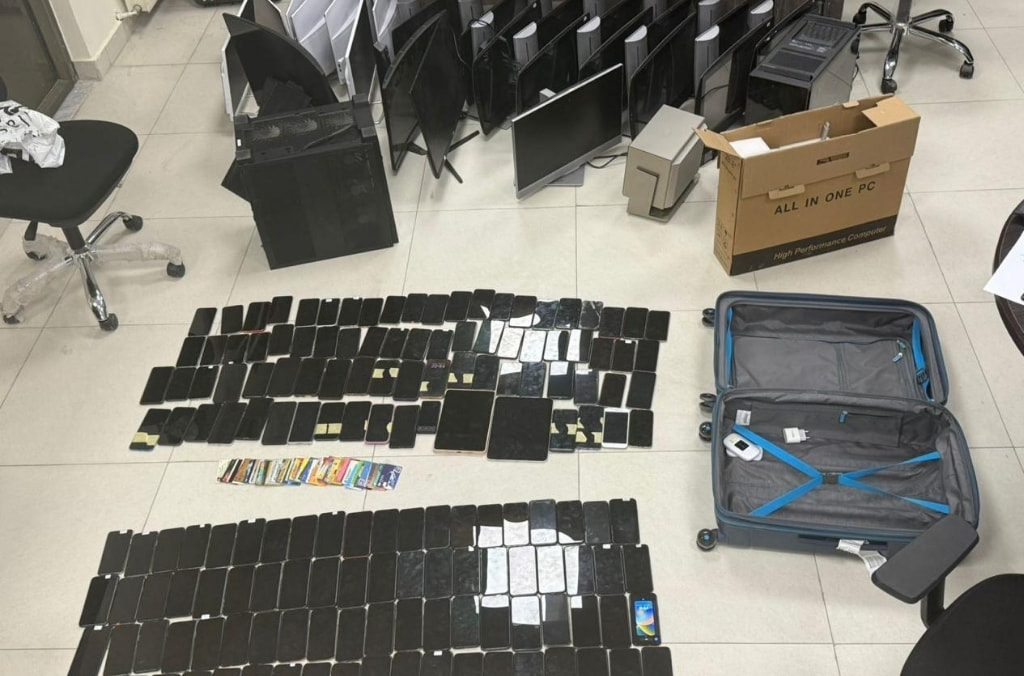 Seized devices in Jordan
Source: INTERPOL
INTERPOL collaborated with several private cybersecurity firms to track the malicious infrastructure, including Kaspersky, Group‑IB, The Shadowserver Foundation, Team Cymru, and TrendAI.
Highlights of Operation Ramz
- Securing compromised devices unknowingly used to spread malware in Qatar.
- Dismantling an investment‑scam operation in Jordan, where 15 trafficked workers from Asia were forced to run fraud schemes; two organizers were arrested.
- Disabling a vulnerable malware‑infected server containing sensitive data in Oman.
- Shutting down a phishing‑as‑a‑service platform in Algeria and arresting one suspect.
- Seizing devices and banking data linked to phishing operations in Morocco, with multiple suspects under judicial investigation.
Related INTERPOL Operations
Operation Synergia III (March 2026)
- Sinkholed 45,000 malicious IP addresses.
- Seized 212 devices and servers.
- Arrested 94 individuals across 72 countries for phishing, hacking, fraud, and malware distribution.
- Details: Operation Synergia III
Operation Red Card 2.0 (February 2026)
- Arrested 651 suspects across 16 African countries.
- Targeted investment fraud, mobile‑money scams, and fake‑loan apps linked to more than $45 million in losses.
- Details: Operation Red Card 2.0