
Intel preps CPUs with 'Unified Core' architecture — job listing hints at evolution beyond Intel's hybrid design
Source: Tom’s Hardware
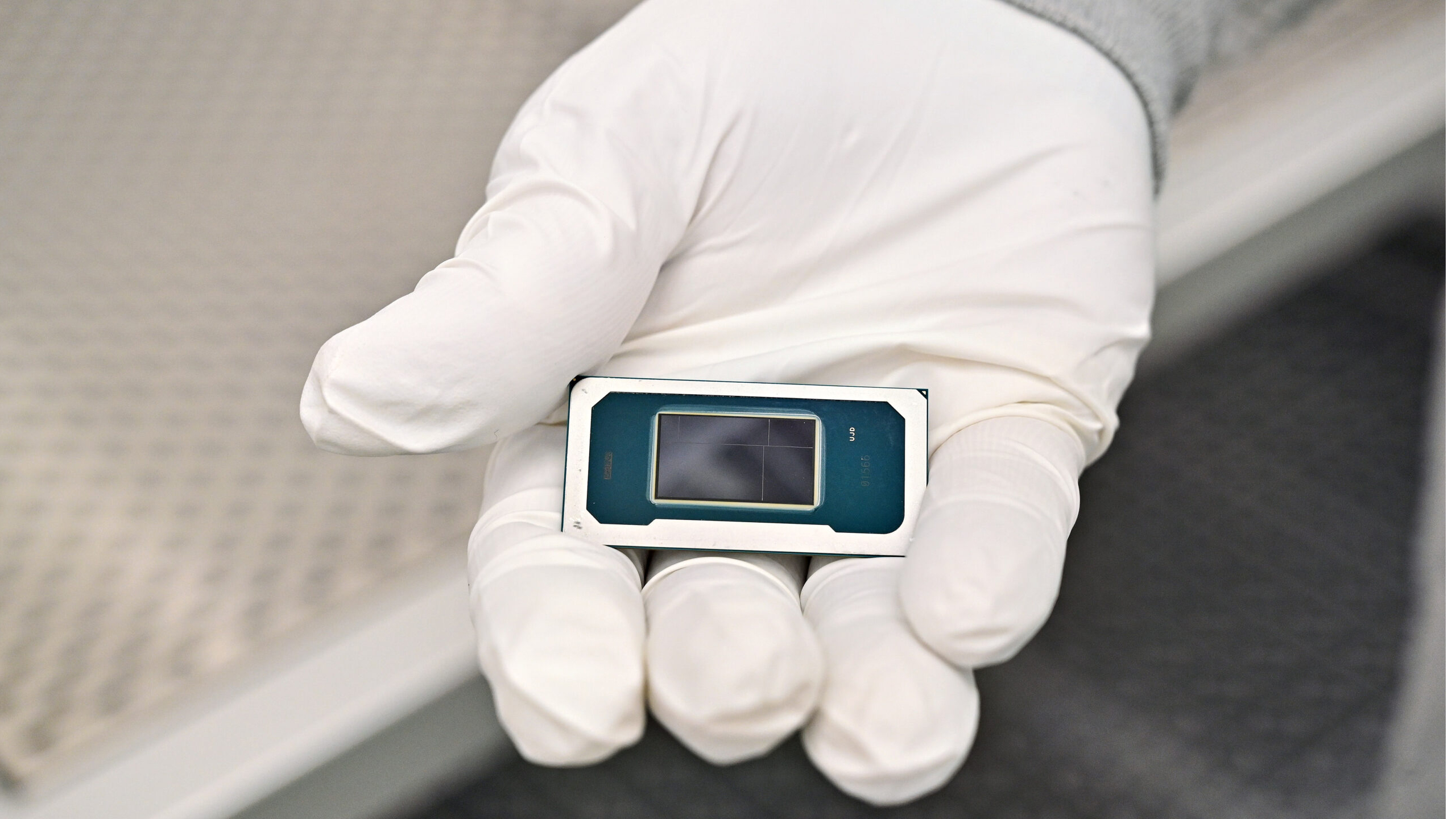
*Image credit: Intel*
Intel is developing processors that will feature **Unified Cores**. According to a recent job posting on [LinkedIn](https://www.linkedin.com/jobs/view/senior-cpu-verification-engineer-at-intel-corporation-4374634372/), these CPUs are still several years away from production.
### What the posting reveals
- **Role:** Senior CPU Verification Engineer
- **Team:** Unified Core design team
- **Primary responsibility:** Verify the silicon design of processors with Unified Cores, ensuring functional correctness through rigorous pre‑silicon verification.
- **Collaboration:** Work closely with CPU architects and RTL designers to validate complex architectural and micro‑architectural features.
### Preferred qualifications
- Experience with **x86** architectures (indicating the project targets x86).
- Proficiency with **Synopsys simulators**.
- Strong **assembly language** skills.
---
*The job listing suggests that Intel’s Unified Core project is still in an early verification phase, implying a launch timeline of at least three to four years, if not longer.*In Very Active Development
Verification engineers traditionally start their work after micro‑architecture design is finished and before Register‑Transfer Level (RTL) coding begins. Modern processors, however, are so complex that functional correctness is not an isolated stage. Verification is now tightly coupled with both architectural definition and RTL implementation.
How Verification Evolves with the Design
| Phase | What Happens |
|---|---|
| Architecture definition | Engineers begin building models, defining coverage metrics, and stress‑testing assumptions embedded in the specification. |
| Early RTL | As RTL blocks appear, verification runs in parallel with implementation: |
| • Block‑level simulations | |
| • Constrained‑random testing | |
| • System‑level integration checks | |
| Mature program (tape‑out) | Verification focuses on closing coverage gaps and fixing bugs. Architecture changes become rare and expensive because they require new RTL and additional debugging/verification effort. |
Key Takeaways
- Functional correctness is a continuous discipline that spans architecture modeling, RTL development, integration, and post‑silicon validation.
- When verification must work closely with architects, micro‑architectural features are still being refined, indicating an early‑stage project.
- In a mature program nearing tape‑out, verification mainly interacts with RTL designers, and architecture changes are costly.
Implications for Intel’s Unified Cores Roadmap
- If Intel is currently in the middle of the CPU development cycle (RTL not yet complete), the company is likely 18–24 months away from tape‑out.
- After tape‑out, mass production typically requires another 18–24 months.
- Optimistic estimate: first product featuring Unified Cores in 2029.
- More realistic estimate: launch in 2030.
- Because Intel does not disclose its exact position, the timeline could be off by 3–6 months depending on various factors.
What is Unified Core?
It goes without saying that we still have little information about the nature of the Unified Core architecture or microarchitecture. While we can make our guesstimates about the stage of Intel’s Unified Core project based on the job listing, we cannot do the same looking at the architecture.
The first leak about Intel’s Unified Core emerged in mid‑July 2025. @Silicon_Fly then speculated that Intel’s Titan Lake processors due in 2028 would feature Unified Cores—not separate high‑performance and energy‑efficient cores like today’s Arrow Lake (Lion Cove P + Skymont E‑cores) and Panther Lake (Cougar Cove P and Darkmont E‑cores). At that time the Unified Core was said to be an evolution of Intel’s E‑cores rather than P‑cores.
To launch a product in late 2028, Intel would need to tape‑out by mid‑2026 at the latest, so hiring verification engineers now would be rather late. Yet, if our estimates that Intel will release the first Unified‑Core‑based products in 2029‑2030 are correct, then making assumptions about their architectural decisions is premature.
Given the lack of information, Intel’s Unified Core could be anything from:
- an architecture containing many “small” cores that support the company’s Software‑Defined Supercore capability (we are speculating that this technology could be attached to a variety of microarchitectures),
- to AMD’s modern approach to building hybrid CPUs (full‑speed and compact Zen cores share the same microarchitecture but differ in performance and power consumption),
- to AMD’s Hammer‑like “unification,”
- or something completely different.
Because Intel calls the project Unified Core, it probably has significant meaning for the company, suggesting a core design that is scalable from an entry‑level client‑PC CPU all the way to a heavy‑duty datacenter processor. How such scalability could be implemented remains an open question, as there are numerous architectural approaches beyond those outlined above.
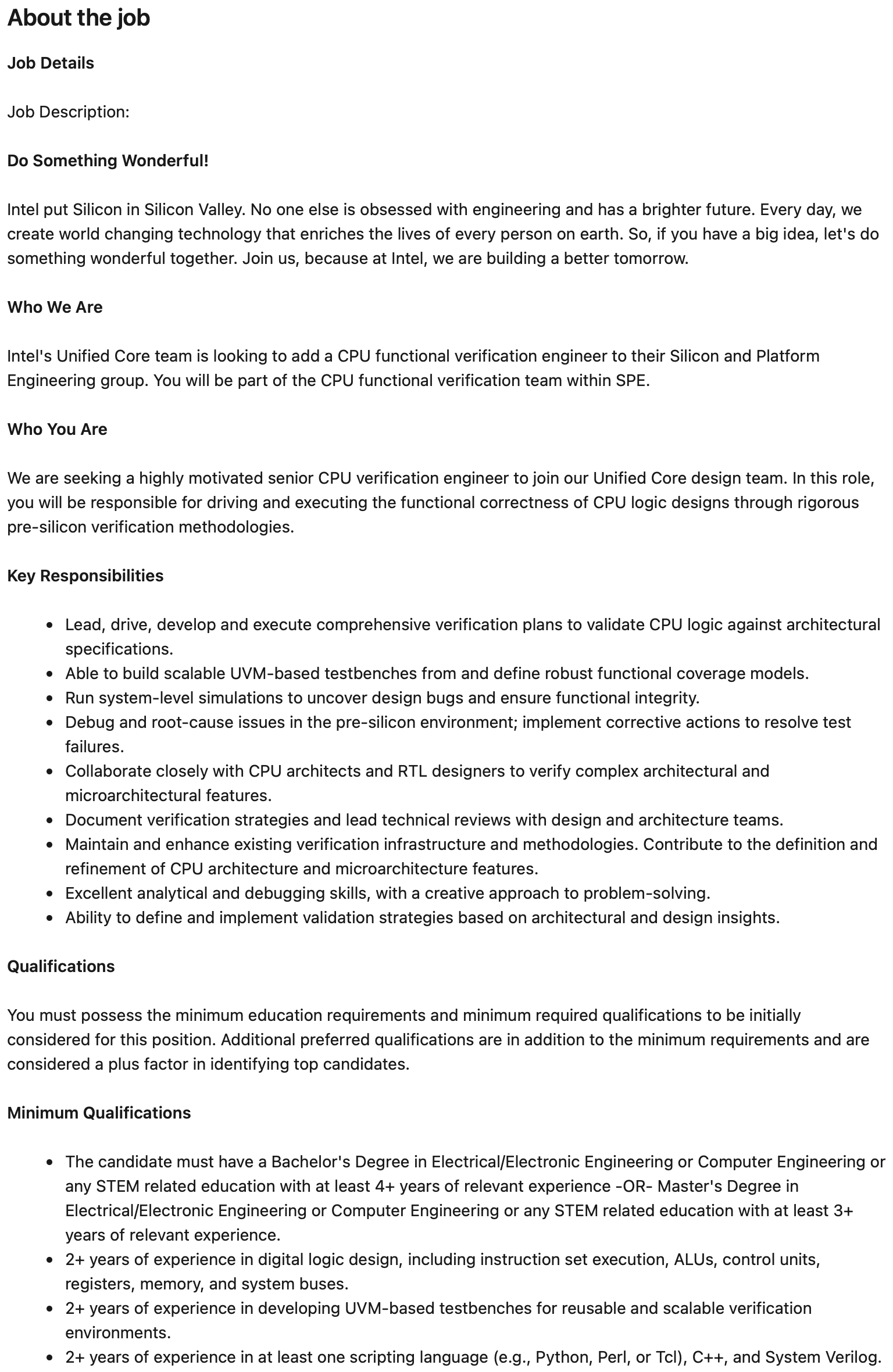
Image credit: Tom’s Hardware / LinkedIn

Follow Tom’s Hardware on Google News, or add us as a preferred source to get our latest news, analysis, and reviews in your feeds.
Anton Shilov is a contributing writer at Tom’s Hardware. Over the past couple of decades, he has covered everything from CPUs and GPUs to supercomputers, and from modern process technologies and the latest fab tools to high‑tech industry trends.