
I used to count down to the next Android version, but now I barely notice
Source: Android Authority
*Ryan Haines / Android Authority*
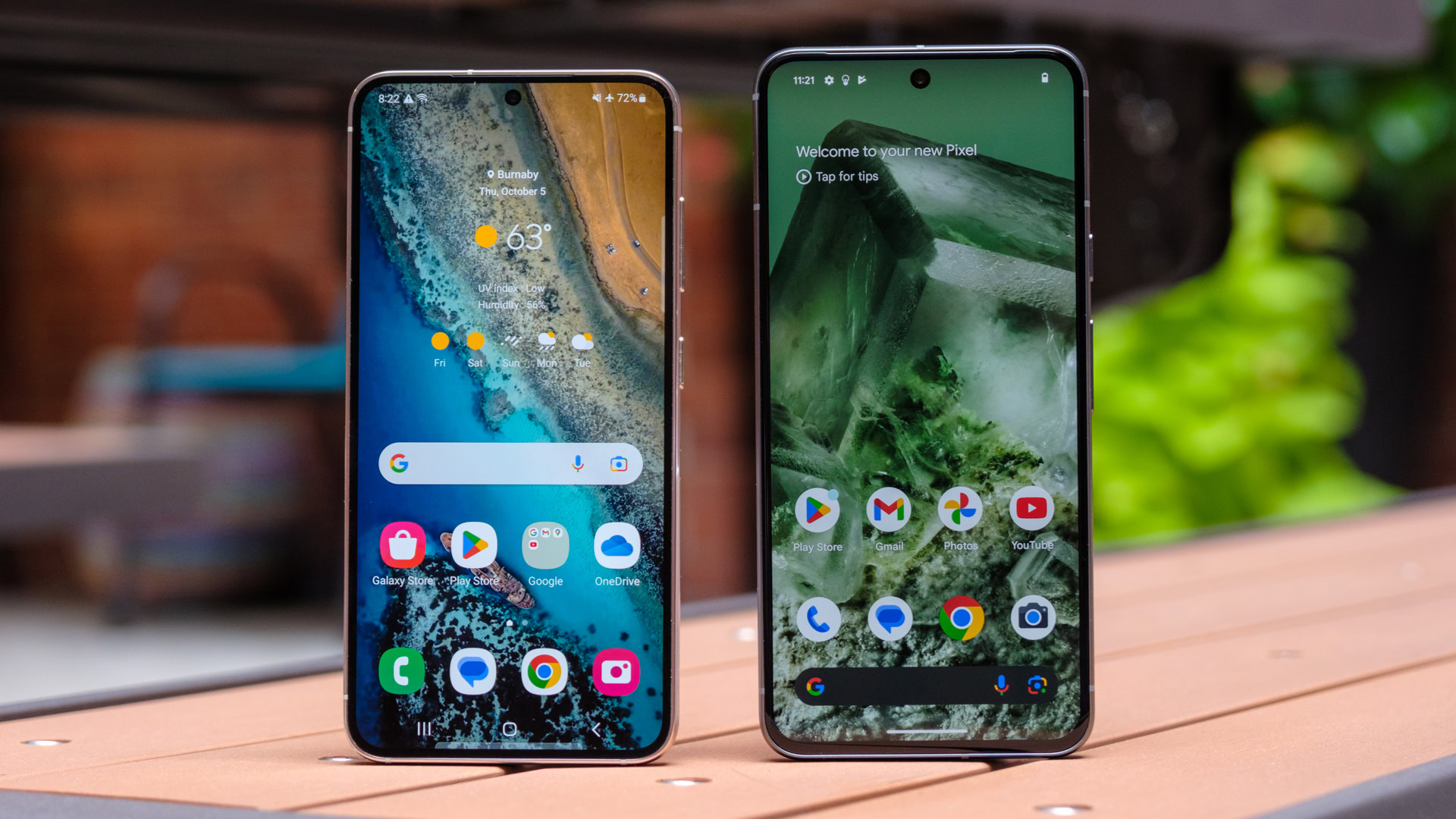
I’ve always considered myself an Android geek. I owned several Google Nexus devices and, on and off, used the Pixel family as well. I loved knowing I had the version of [Android](https://www.androidauthority.com/android-16-features-3484159/) that was closest to Google’s vision for the platform, and getting access to the newest beta versions felt like my own little holiday.
These days, that enthusiasm has waned. Over the last few years I’ve paid less attention to the latest Android releases. I stopped regularly following and participating in the beta program, and I no longer worry about having a new‑enough Pixel to join the testing.
**What made me lose my interest?**
The problem isn’t Android itself—it continues to evolve and grow. However, the yearly version jumps have become less consistently meaningful, and the bigger, more noticeable changes no longer follow a predictable rhythm. As a result, major updates are easier to overlook.
### Do you still pay close attention to every Android update?
*9 votes*Android and I Have Both Changed Over the Years
Android Lollipop statue (source: Android Authority)
Let’s face it: Android has changed a lot over the years. In the early days, the arrival of a new Android version felt like a major milestone. New features and improvements seemed absolutely groundbreaking, and I loved cracking open an early beta to discover what was new—digging deep into settings felt a bit like an Android‑based game of “Where’s Waldo?”
Bit by bit, Android changes became more incremental or “under the hood.” These updates were still often significant from version to version, but they focused more on stability and performance rather than on immediately noticeable, consumer‑facing features. Despite being less exciting, Google and online communities continued to hype every new version as if it were a massive milestone.
That marketing trend persists today, but its impact is muted. While many Android fans still get hyped about new releases, you can just as easily find Reddit posts and other community discussions expressing disappointment over recent OS updates. I, too, have found my enthusiasm waning with each passing year.
Why Android Feels Less Exciting
- Maturity of the ecosystem – Major changes used to be reserved for big, annual version jumps. Now, thanks to initiatives like Project Mainline, meaningful improvements can roll out throughout the year without requiring a full OS upgrade.
- Stabilized look and feel – There’s simply less to change from version to version because the OS has settled into a consistent design language.
- Personal factors – I’ve aged more than fifteen years since I first got into Android. Responsibilities like kids have reduced my free time, narrowing my focus even though I’m still a tech geek at heart.
The Trade‑Off
The shift is objectively good:
- Security patches land faster.
- Features arrive more fluidly via Pixel Feature Drops or similar programs from other manufacturers, keeping devices feeling fresh between major releases.
However, there’s a downside. When improvements arrive less predictably and version numbers no longer signal a “big moment,” it becomes harder to tell which updates truly matter. Over time, I stopped treating each new Android version as an event and began viewing it simply as an eventuality that will “hit when it hits.”
Minor Android Updates Make It Hard to See When Big Changes Do Arrive
Adamya Sharma / Android Authority
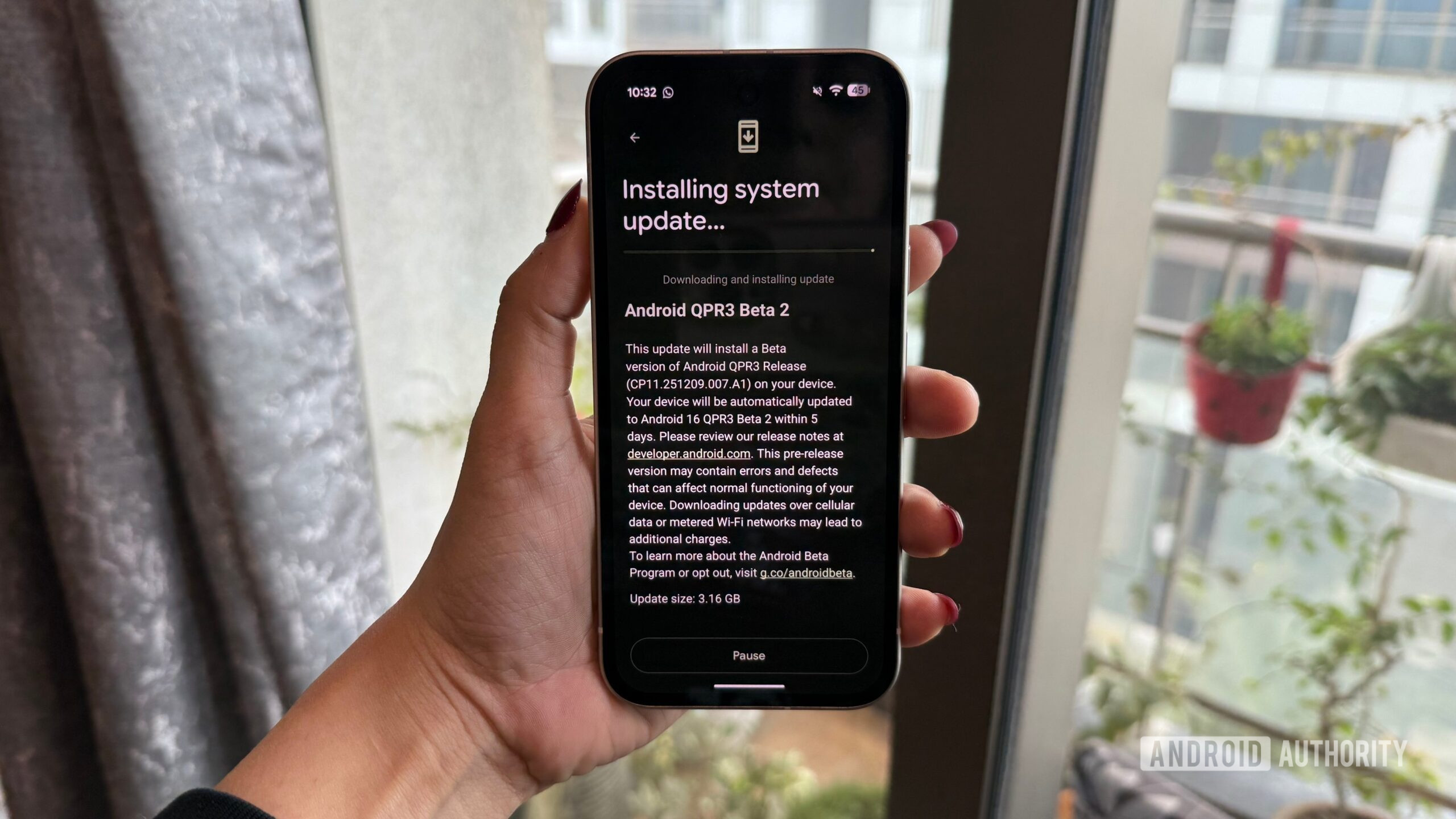
After Android 12, changes became more measured. Android 13 refined permissions and expanded theming. Android 14 and 15 leaned into customization, efficiency, privacy, and security. These were meaningful improvements, and in many cases they made Android better to use day‑to‑day.
But they rarely felt transformative. The updates improved the experience without redefining it. As a result, each yearly release felt less like a milestone and more like steady maintenance. That consistency is good for stability, but it does not generate the same excitement.
The good news is that after roughly five years of somewhat timid update cycles, Android 16 has finally begun pushing more noticeable changes to the OS. While it was first dismissed by many as having too few front‑facing improvements, Android 16 has shown the true potential of quarterly updates, adding new features such as:
- Material Expressive 3
- Overhauled notifications
- More customizable quick settings
- …and much more
That’s not even diving into the upcoming March update, which is expected to add:
- A removable At a Glance widget
- New navigation buttons
- Flashlight brightness controls
Android 16 brings plenty of big changes, but I honestly wasn’t paying much attention after years of less‑notable updates.
If I’m honest, though, I knew little about Android 16’s biggest changes until more recently. This is partly because there’s no obvious signal to let me know if a new Android version will bring major changes or just smaller under‑the‑hood refinements, so I’m less interested until they hit my actual device. I also currently use a Galaxy phone, so I don’t get the new features as quickly, making it less important to me overall.
As I’ve learned more about Android 16, I admit I feel the old excitement returning a little. It even has me considering giving the Pixel another try, despite my long and complicated history with Google’s phones. There’s also a part of me that wonders if this new OS update is a sign Google will start more aggressively pushing Android forward again, or if it’s just a temporary phase before things slow down again.
The truth is that Android is already pretty mature, and big changes are often not needed, so I have a strong feeling this was more like a rare “refresh” than a sign of things to come. Of course, I could be wrong. Still, if Android 16 is just a rare “major” change, I think Google should consider shifting away from yearly OS version releases.
Do we really need new Android versions every year?
On one hand, I understand the appeal of yearly Android releases. They create a sense of momentum, give Google something concrete to market, and keep dedicated fans engaged. For hardcore users, a new version number still carries symbolic weight.
For most people, though, the version number itself likely means very little. Mainstream users care far more about whether their phone feels fast, stable, and feature‑complete than whether it just jumped from Android 16 to Android 17.
We saw evidence of that in 2024, when the Pixel 9 launched without a brand‑new version of Android out of the box. Despite that break from tradition, it still performed strongly in sales. It eventually received Android 15, but its success suggests that a yearly version jump is not essential to consumer confidence.
That raises an interesting question: What if Android version numbers did not change every year?
Keeping Android 17 or Android 18 as the “official” version for several years would not mean freezing innovation. Windows offers a useful comparison. Windows 11 launched in 2021, yet it has evolved significantly since then. Microsoft has layered in AI integrations, UI refinements, new system tools, and performance improvements, all without changing the core version number.
The platform today looks and feels different from its launch state, but the version number has remained stable. When Microsoft eventually releases Windows 12, it will likely signal a clearer, more deliberate shift rather than just another step in an annual cycle.
Version numbers carry psychological weight. When they change every year regardless of scale, that weight diminishes. Over time, the signal becomes harder to distinguish from the noise.
Part of me wonders whether Android would feel more exciting again if major version changes were reserved for genuinely transformative moments. Continuous updates could still roll out quietly in the background, but the big number jumps would once again mean something tangible. Perhaps Android does not need a dramatic reinvention every year—it may simply need clearer milestones.
Follow
Thank you for being part of our community. Read our Comment Policy before posting.