
I miss small phones, and the Galaxy S26 doesn’t count
Source: Android Authority
Joe Maring / Android Authority
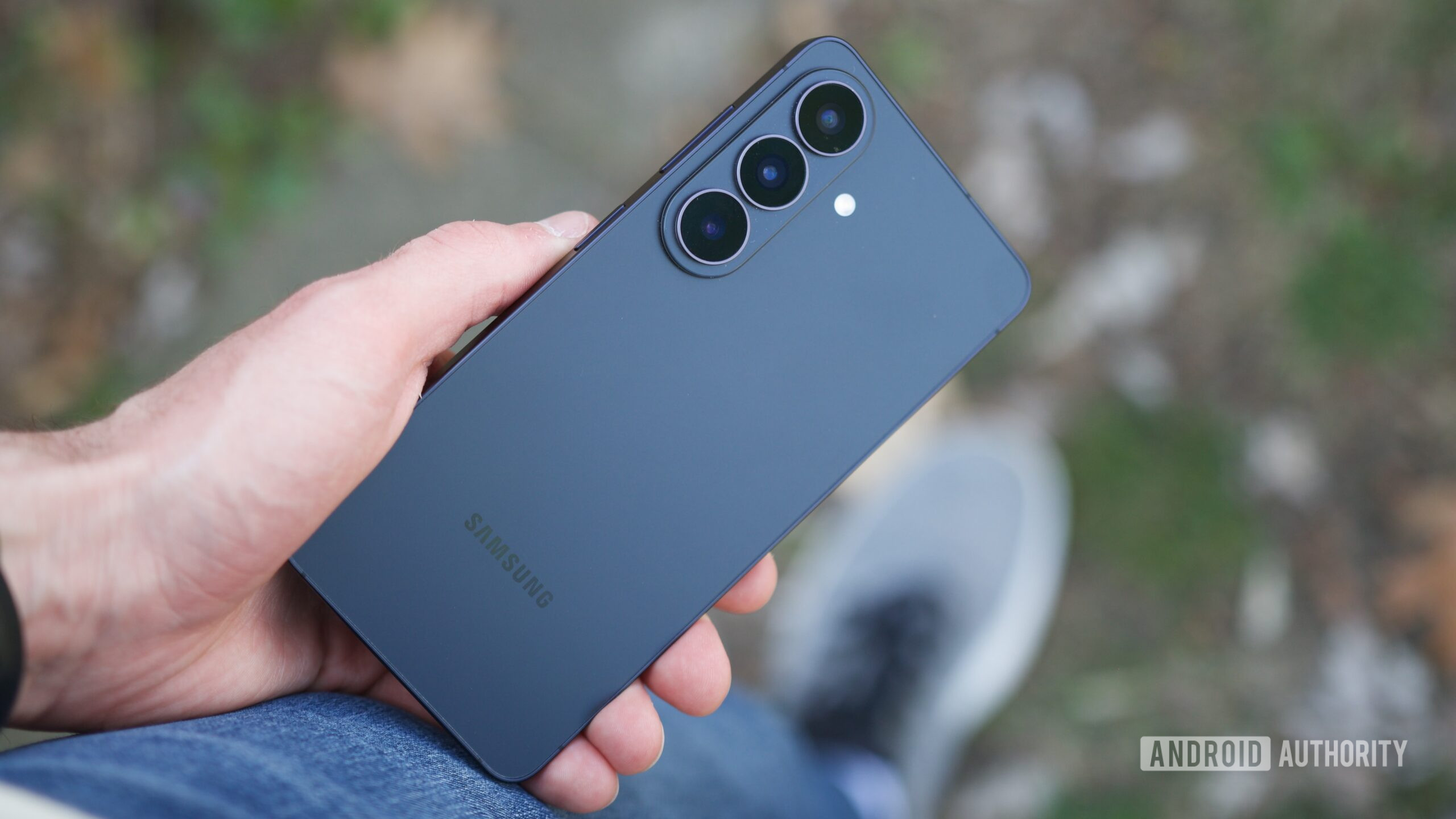
Samsung launched the Galaxy S26 series back in February, and the base Galaxy S26 is one of the best smaller Android phones on the market. I say “smaller,” because you and I both know that this isn’t actually a small phone.
In fact, it’s virtually impossible to find a legitimately small phone from a major manufacturer in 2026. Here’s why I miss them and really want them to make a comeback in the near future.
Do you miss truly small phones in 2026?
87 votes
When Small Phones Were Actually Small
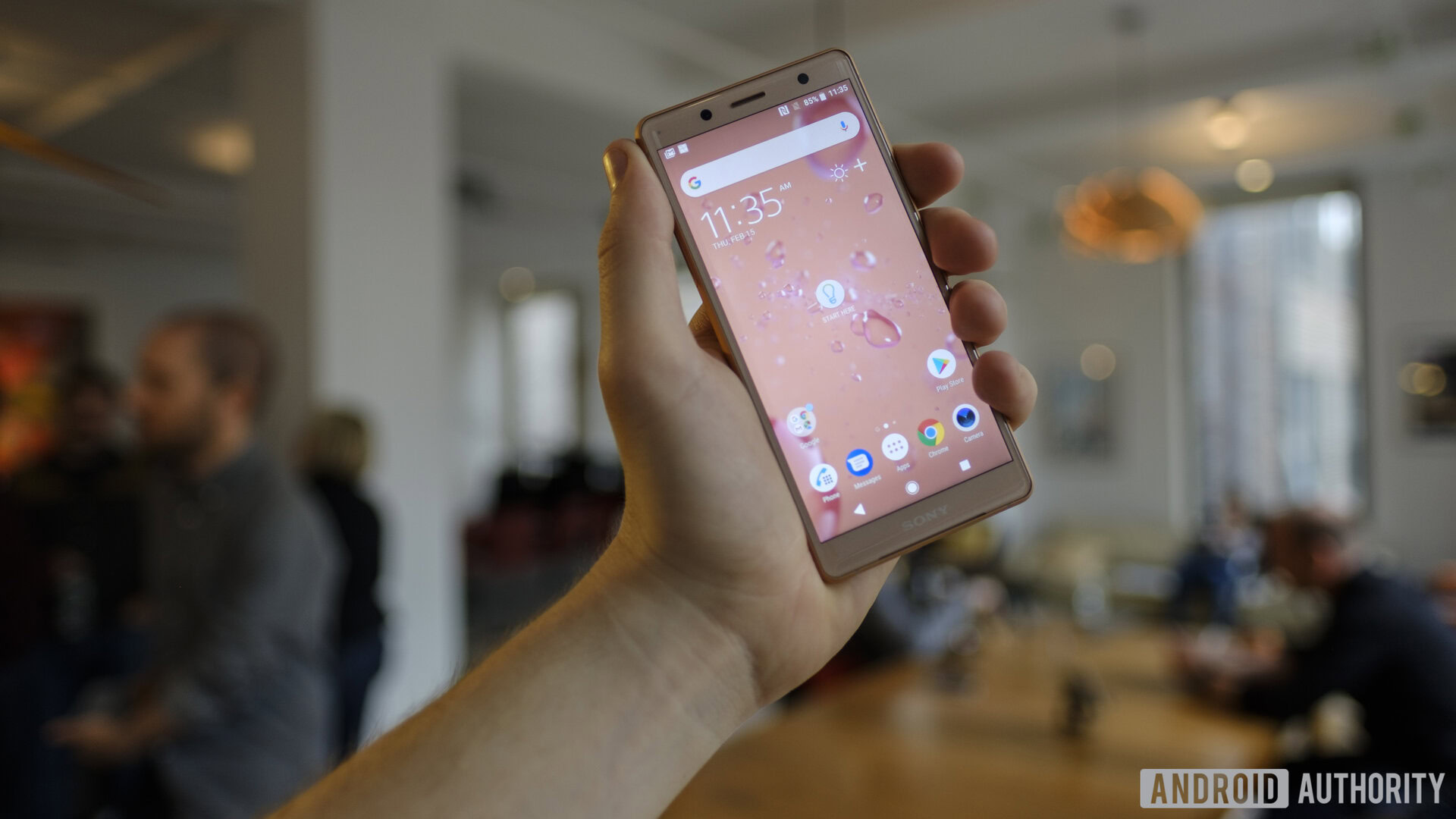
When I talk about a small phone, I usually mean a device with a sub‑6‑inch screen, though I’m also fine with a 6.1‑inch display. By contrast, the base Galaxy S26 is actually larger than previous entries and now sports a 6.3‑inch display. That’s still small, right?
Unfortunately, my experience with 6.3‑inch phones in 2024‑2026 has convinced me that, while they’re smaller than today’s average phones, they’re still not truly compact. I’ve used the following devices extensively:
All of these phones have tall aspect ratios that make it a little tough to reach the top of the display, and they don’t quite disappear into your pocket like genuinely small phones.
Phones I Consider “Small”
| Device | Screen Size | Height (mm) |
|---|---|---|
| ASUS Zenfone 9 | 5.99 in | ~146 |
| Sony Xperia XZ2 Compact | 5.0 in | ~135 |
| Samsung Galaxy S10e | 5.8 in | ~146 |
| Samsung Galaxy S25* | — | ~147 |
Even the Galaxy S25 counts in my book, although it’s just a hair under 147 mm.
When you ignore raw screen size—often skewed by varying aspect ratios—these phones range in height from roughly 135 mm to 146 mm, which is the sweet spot for a phone that truly feels “small.”
Small‑Phone Revival: Why 2026 Is the Perfect Time
A Samsung representative recently claimed that the company doesn’t make small phones anymore because most popular use‑cases benefit from a larger screen. Similarly, leaker Digital Chat Station asked representatives from top Chinese manufacturers why they don’t produce compact devices. Their answer was the same: larger displays sell better, and a 6‑inch phone can’t tick all the major boxes (performance, camera, battery life).
Why the argument no longer holds
From a technological standpoint, there has never been a better moment to bring genuinely small smartphones back, thanks largely to silicon‑carbon batteries. This emerging chemistry lets manufacturers:
- Fit the same capacity into a physically smaller cell, or
- Increase capacity without enlarging the battery’s footprint.
Real‑world examples
| Device | Display | Height | Battery (mAh) | Notes |
|---|---|---|---|---|
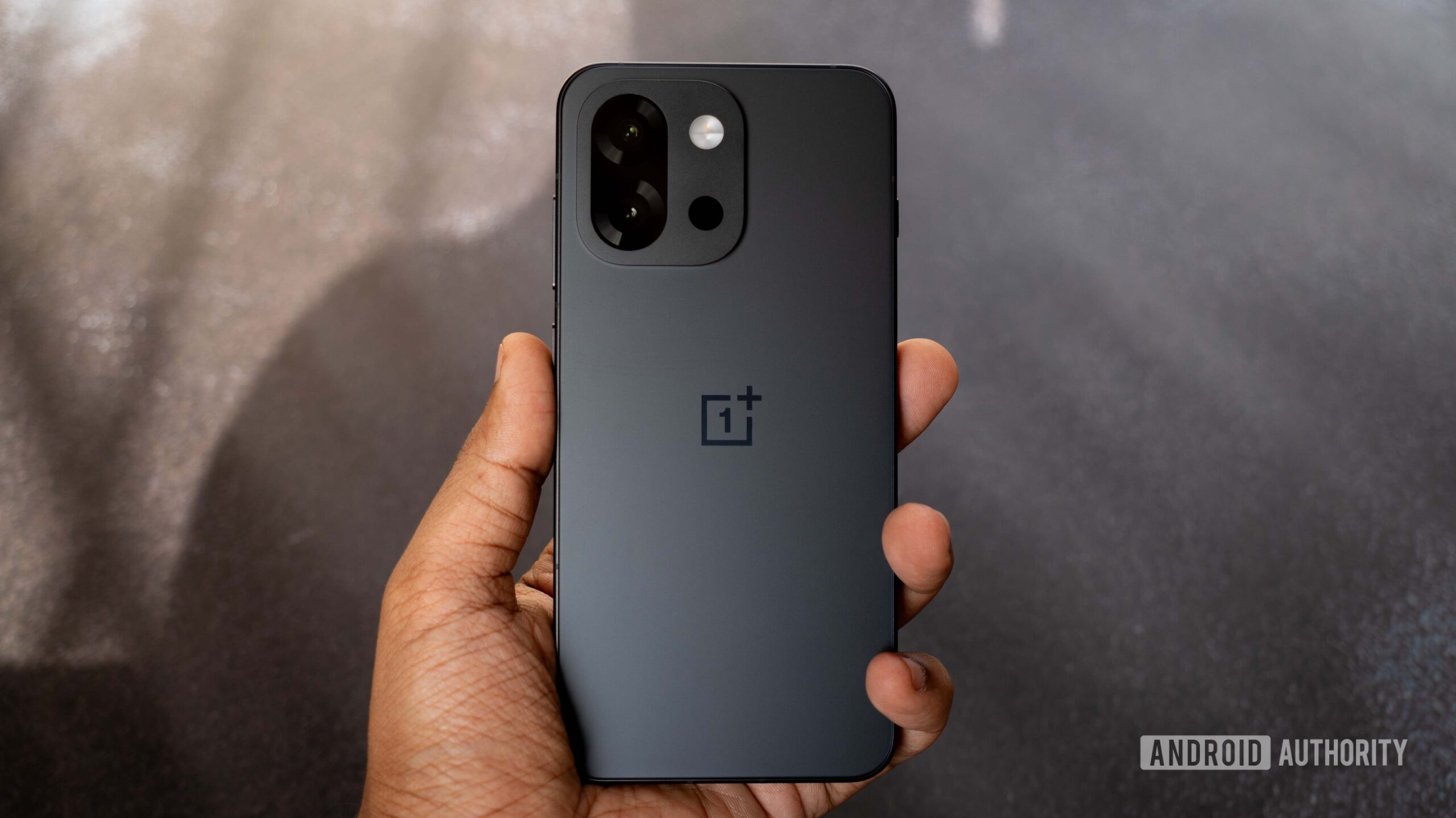
| OnePlus 15T | 6.32″ | ~150 mm | 7,500 | Large battery in a relatively compact chassis |
| Xiaomi 17 | — | 151 mm | 7,000 | Similar size, huge capacity |
Manufacturers don’t need to cram a gigantic silicon‑carbon pack into a tiny phone. They can simply use a smaller battery that still delivers ample juice, preserving performance and other hardware specs.
Other hardware trends that help
-
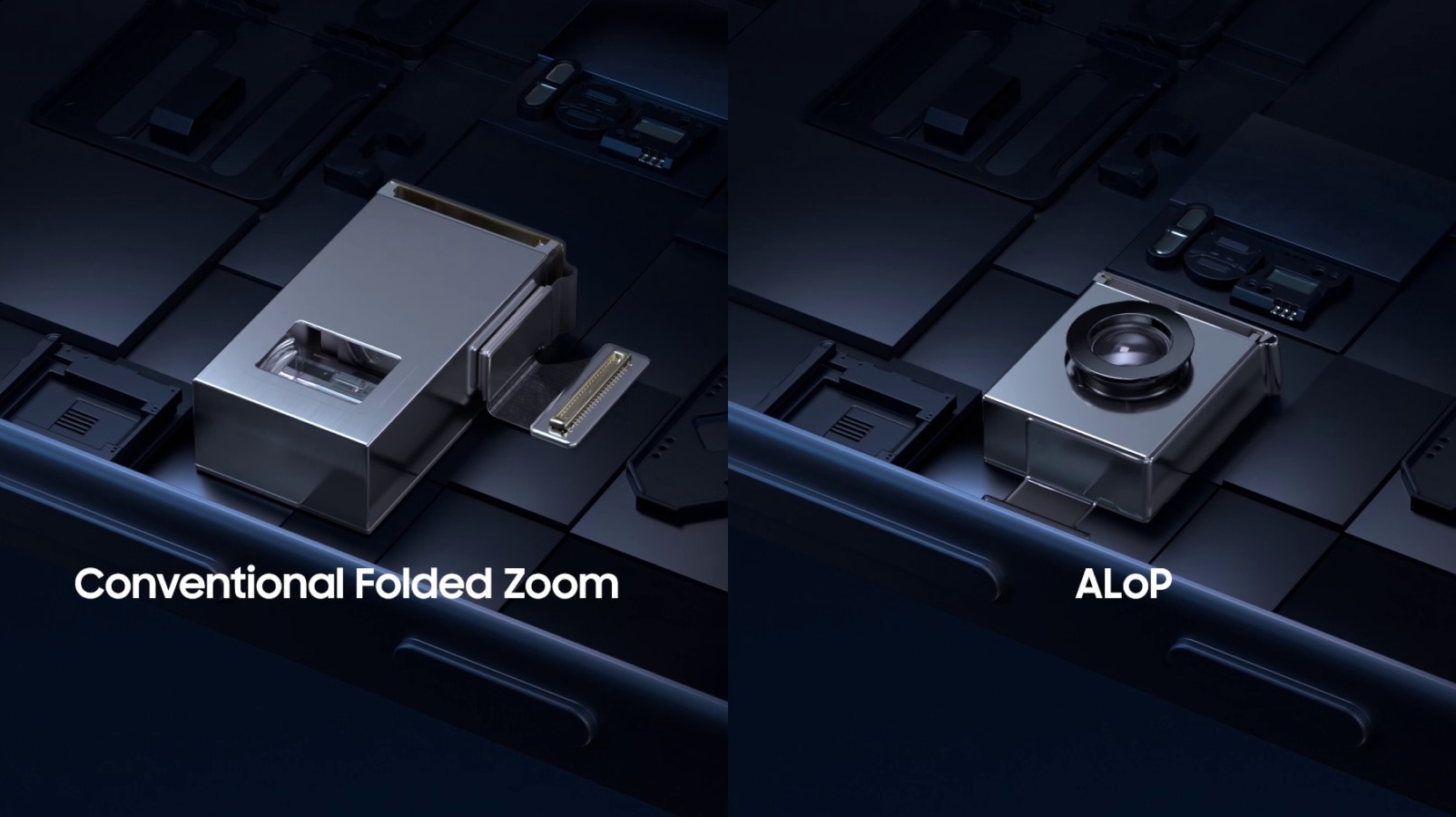
ALoP telephoto camera modules – Samsung’s ultra‑thin periscope lenses are smaller than conventional zoom modules, reducing camera‑bump height and freeing internal space.
-
Improved power efficiency – Modern SoCs are far more frugal. Qualcomm reports that the Snapdragon 8 Elite Gen 5 consumes 16 % less power overall and its CPU is 35 % more efficient than the previous generation. Even the first‑gen Snapdragon 8 Elite delivered a 45 % efficiency boost over its predecessor, making today’s phones considerably more power‑savvy.
A concrete “what‑if” scenario
If Google can ship the Pixel 10 Pro—a device with solid performance, a sizable lithium‑ion battery, and a versatile camera suite—then a truly compact flagship is feasible. Likewise, OnePlus demonstrated that a 6.3‑inch phone can house a 7,500 mAh battery; scaling that down to a sub‑6‑inch chassis with a 5,500–6,000 mAh silicon‑carbon pack should be straightforward.
Bottom line:
Silicon‑carbon batteries, slimmer camera modules, and far more efficient processors collectively remove the technical barriers that once made small phones impractical. 2026 is the ideal year for manufacturers to revive compact flagship smartphones without compromising on performance, camera quality, or battery life.
The Time Is Right for Proper Small Phones to Return
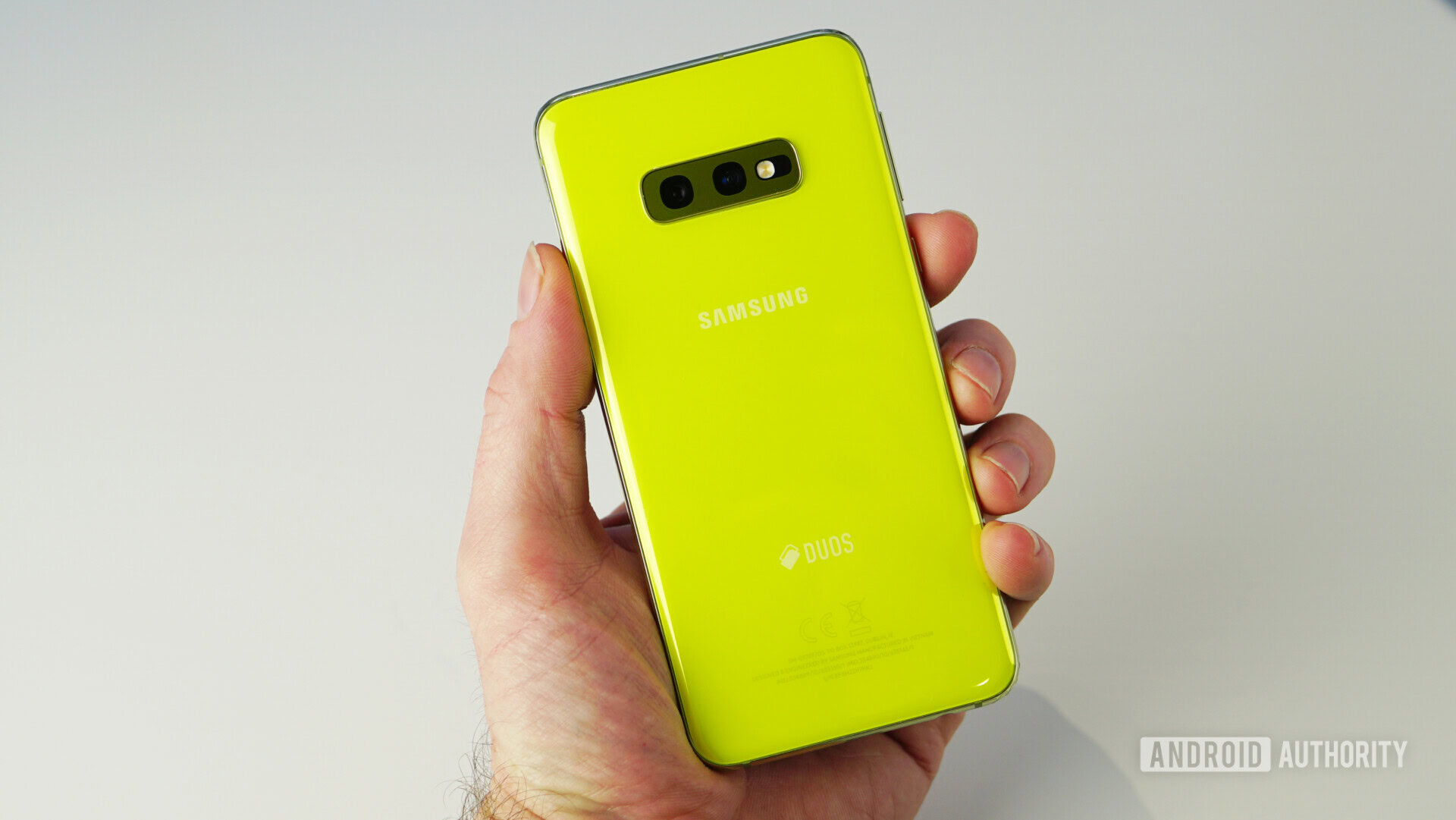
The smartphone industry is trying to re‑define what counts as a “small” phone. Flagship models such as the Galaxy S26, Pixel 10 Pro, and Xiaomi 17 all ship with roughly 6.3‑inch displays, and manufacturers are quick to tout these as compact options.
But many of us would love to see these brands actually bring back legitimately small phones in 2026—devices that feel comfortable in one hand without the compromises that usually come with a reduced size. The necessary technology is finally there, so a truly compact flagship could be viable.
Will it happen? Hopefully Apple will revive the iPhone Mini, prompting Samsung and the rest of the industry to follow suit.
Thank you for being part of our community. Please read our Comment Policy before posting.