
I have a drawer full of Kindles, but you probably only need one
Source: Android Authority
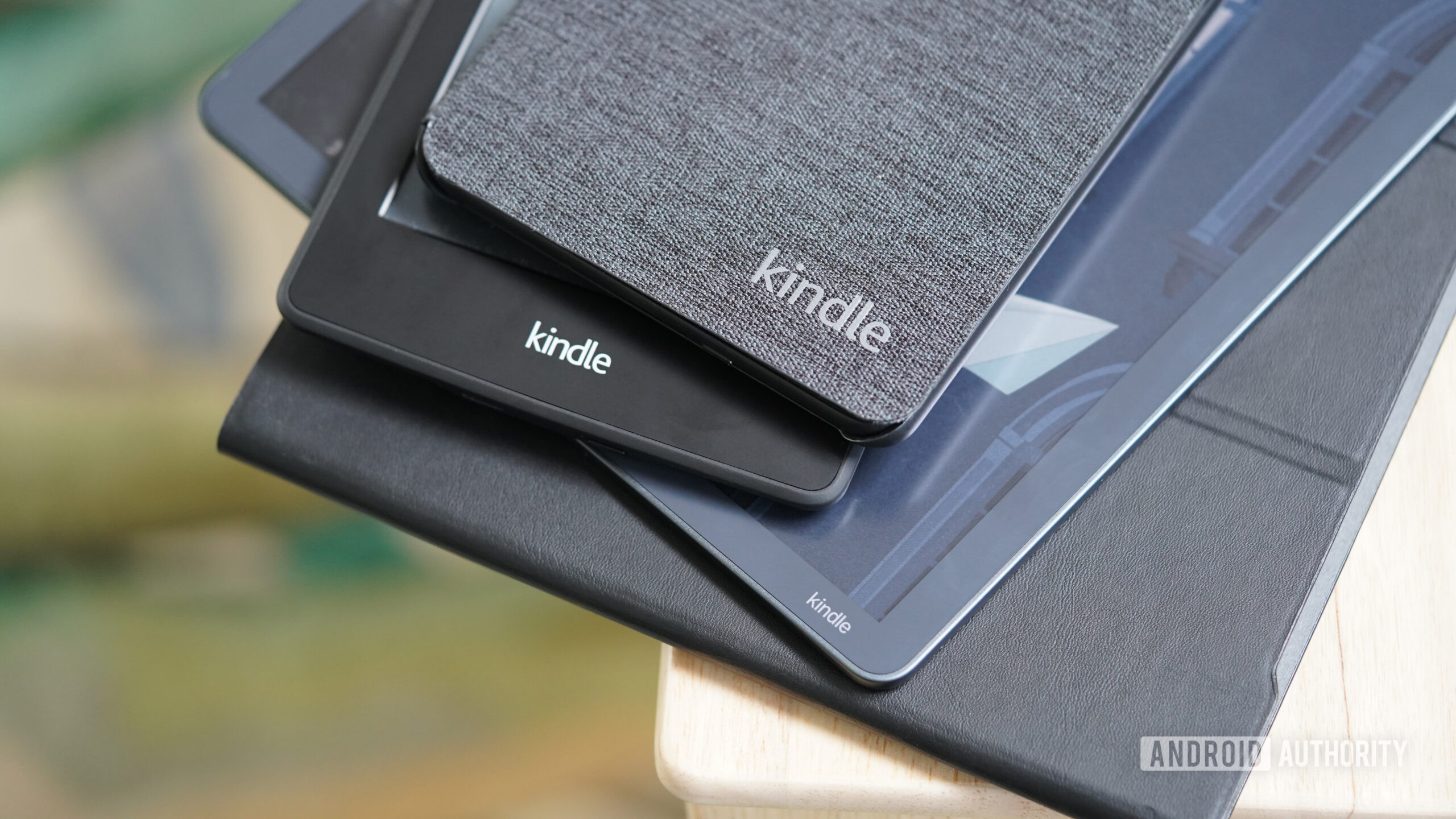
Photo by Kaitlyn Cimino / Android Authority
As a kid, I thought adulthood would feature a prominent candy drawer. Instead, mine is full of Kindles. Some are fresh review units, while others are aging models that I never fully retired because e‑readers age slowly, so upgrades often become additions instead of replacements. Needless to say, a recent Reddit thread debating whether two Kindles are smart or excessive hit close to home. As much as I love my collection, you probably only need one.
Do you own more than one e‑reader?
4 votes
The Appeal of Multiple Kindles
Why People Consider a Second Kindle
- Separate use‑cases – a home Kindle for night‑time reading and a travel Kindle for on‑the‑go sessions.
- Family sharing – a dedicated device that multiple household members can use.
- “Library Kindle” – keeping an extra e‑reader in airplane mode so borrowed books don’t disappear mid‑vacation.
These scenarios are real, but they are relatively niche.
What Makes a Two‑Kindle Setup Attractive?
- Whispersync – automatically syncs reading position, highlights, and notes across all devices, making the switch feel seamless.
- Amazon’s ecosystem – the tight integration between Kindle hardware, the Kindle app, and the cloud encourages a multi‑device workflow.
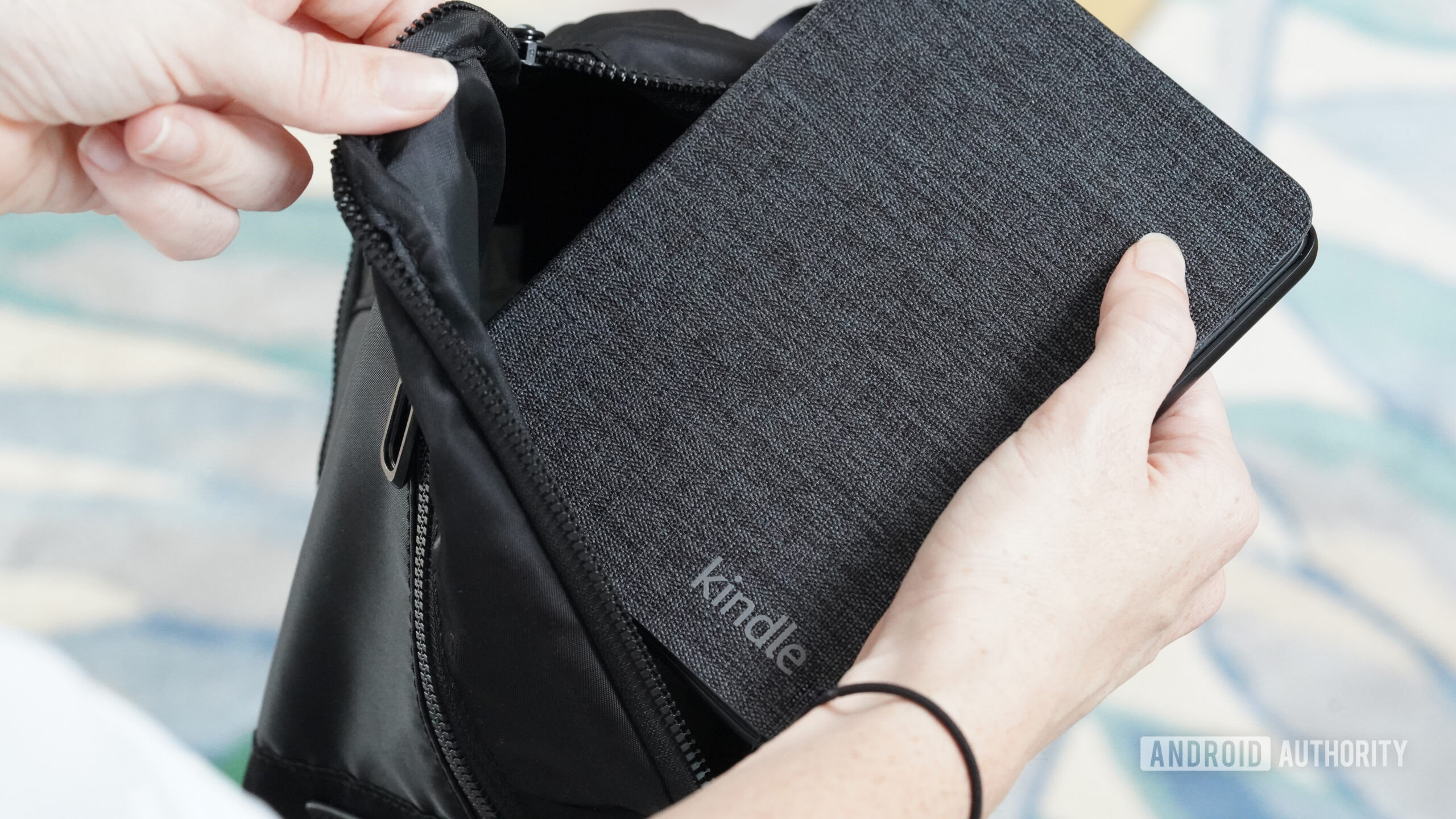
- Reddit anecdotes – many users talk about a “purse Kindle” that lives in their bag, letting them read without having to move the primary device later.
Why One Kindle Is Usually Enough
| Factor | Multiple Kindles | Single Kindle |
|---|---|---|
| Convenience | Slightly more flexibility (travel vs. nightstand) | All features (Whispersync, long battery life) are already available |
| Weight & Comfort | Modern models are all lightweight and ergonomic | No need to juggle different ergonomics |
| Cost & Maintenance | Extra purchase price, charging cables, and organization | One device to charge, update, and keep track of |
| Backup | Redundant device, but still requires manual downloads | Phone or tablet can serve as a backup via the Kindle app |
| Mental Load | Remember which book is on which device; ensure downloads are completed | One place to manage your library |
In practice, a single Kindle handles bedtime chapters, travel reading, and everything in between. If you ever need a backup, the Kindle app on your phone is already synced.
The Hidden Cost of Multiples
- Organization overhead – you have to remember which device has which book downloaded.
- Potential friction – you might grab a Kindle for the beach only to discover the current book isn’t on it after you’ve left service behind.
Whispersync keeps progress aligned, but it doesn’t eliminate the need to download the actual file onto each device.
Bottom line: While a second Kindle can be useful for very specific workflows, for most readers a single Kindle provides all the convenience and flexibility they need.
The Exception: Fundamentally Different Devices
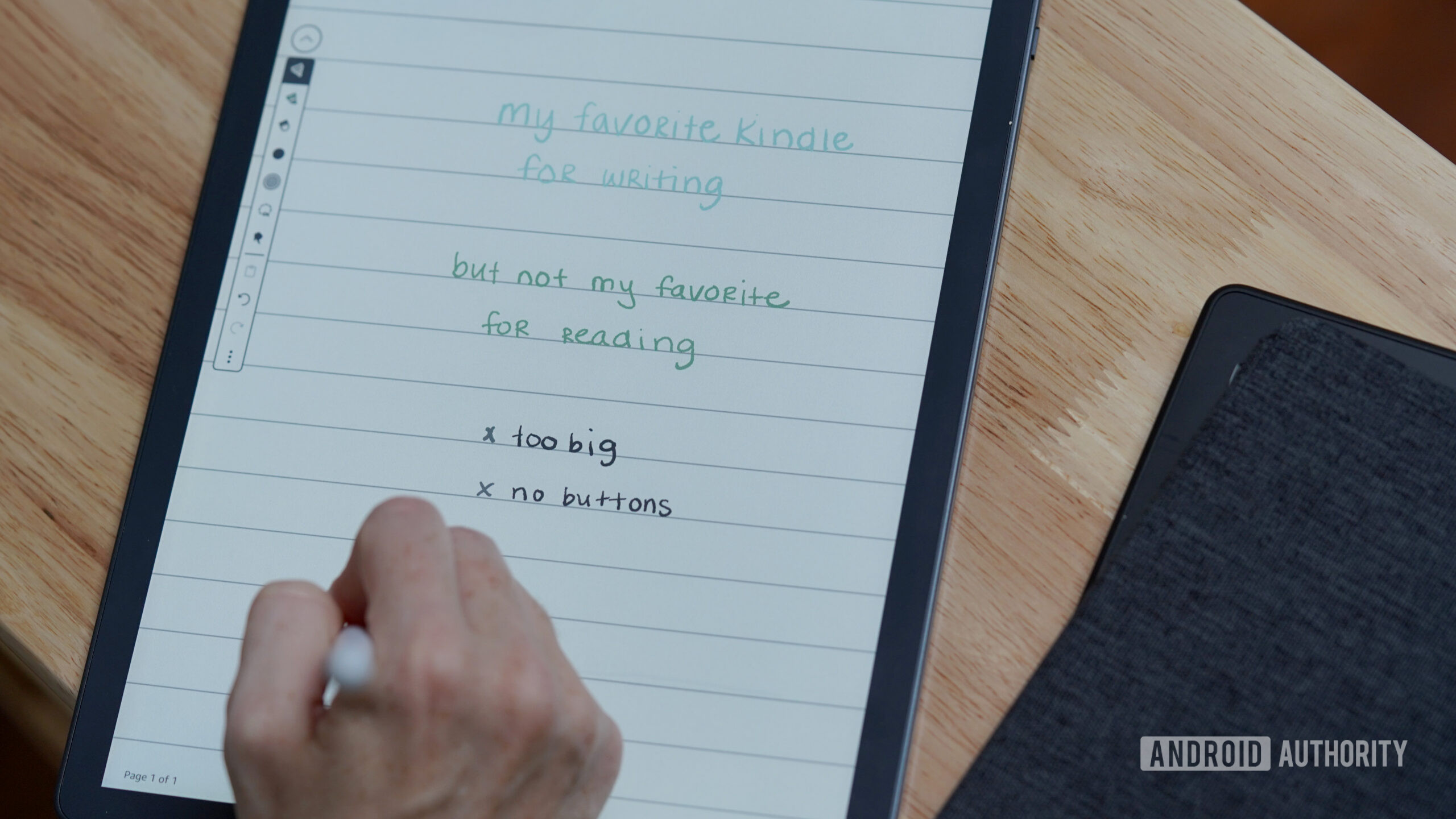
The “multi‑Kindle” argument makes more sense when the devices serve genuinely different roles, which is exactly where the Kindle Scribe fits in.
- Larger display – plenty of screen real‑estate for note‑taking.
- Stylus support – write, annotate, sketch, and create notebooks directly on the device.
- Built‑in notebooks – designed for productivity rather than casual reading.
Because of these features, the Scribe offers a very different experience from a standard Kindle.
How I Use the Scribe
- Primary location: My desk, not my nightstand.
- Purpose: Replaces paper notebooks; I load it with work‑related material (articles, drafts, PDFs).
- Reading: I can read a novel, but I rarely use it for long, casual sessions because it’s not comfortable to hold single‑handed for extended periods.
- Comics: The Scribe Colorsoft, with its color E‑Ink screen, is my go‑to for comics.
Why a Second Kindle Isn’t Redundant
| Device | Ideal Use |
|---|---|
| Kindle Scribe | Scribbling notes, annotating PDFs, sketching, reading work‑related documents |
| Standard Kindle | Pure, distraction‑free reading of books, magazines, and other leisure content |
One is where I scribble out thoughts on an E‑Ink device; the other is where I read without thinking about the device at all. When each device is used for its intended purpose, a “second Kindle” is far from duplication.
You probably don’t need another one
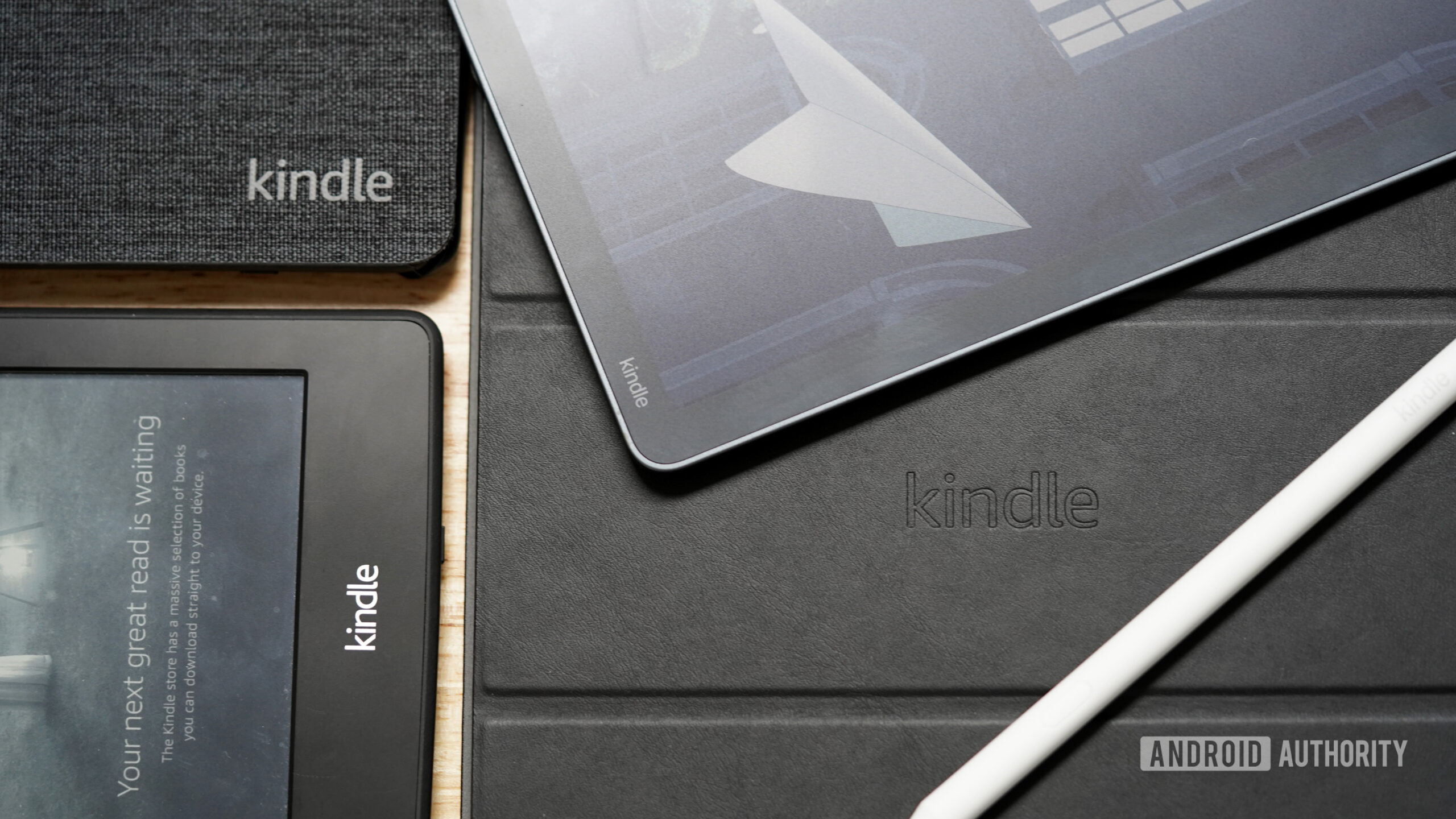
Photo credit: Kaitlyn Cimino / Android Authority
What that Reddit debate really surfaces isn’t a hardware problem but a habit one. Many of us try to engineer better reading through better tools—new screens, accessories, and setups. Nothing says enthusiasm like a stack of e‑readers, but the itch to buy a second Kindle likely has more to do with how we shop than how we read. Adding devices can solve small logistical problems without changing the bigger one: finding the time and focus to read.
I have a drawer full of Kindles, but quantity hasn’t been the key to my reading habit.
There’s nothing wrong with loving e‑readers—my bedside drawer makes that very clear. For most people, however, the best setup is simple. I wanted a candy drawer, ended up with a Kindle one, and learned that the extra devices don’t matter nearly as much as the habit of opening the drawer.
Thank you for being part of our community. Please read our Comment Policy before posting.