
How Kiro’s Global Steering Turned Me Into a Solo Frankenstein Engineer
Source: Dev.to
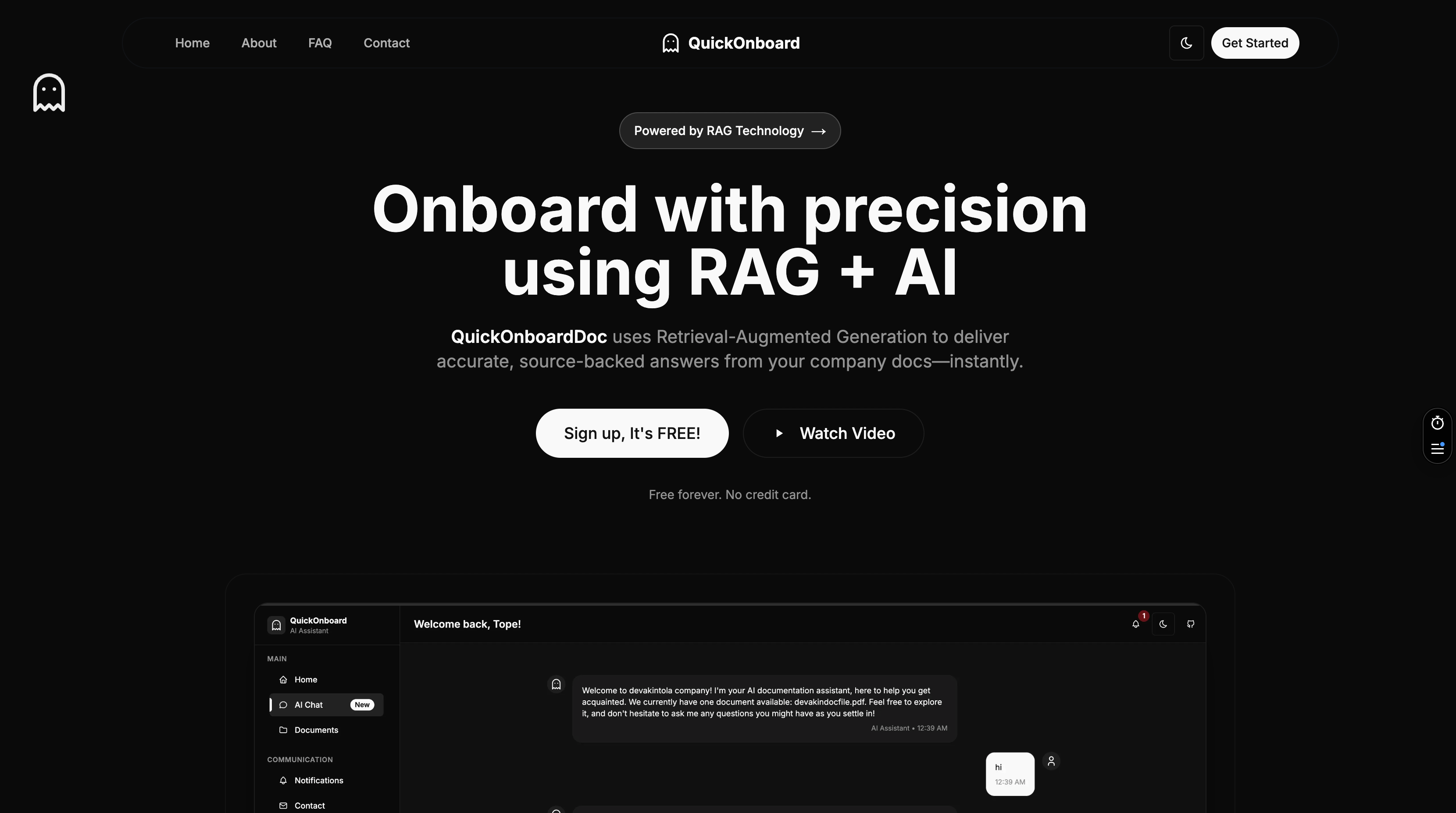
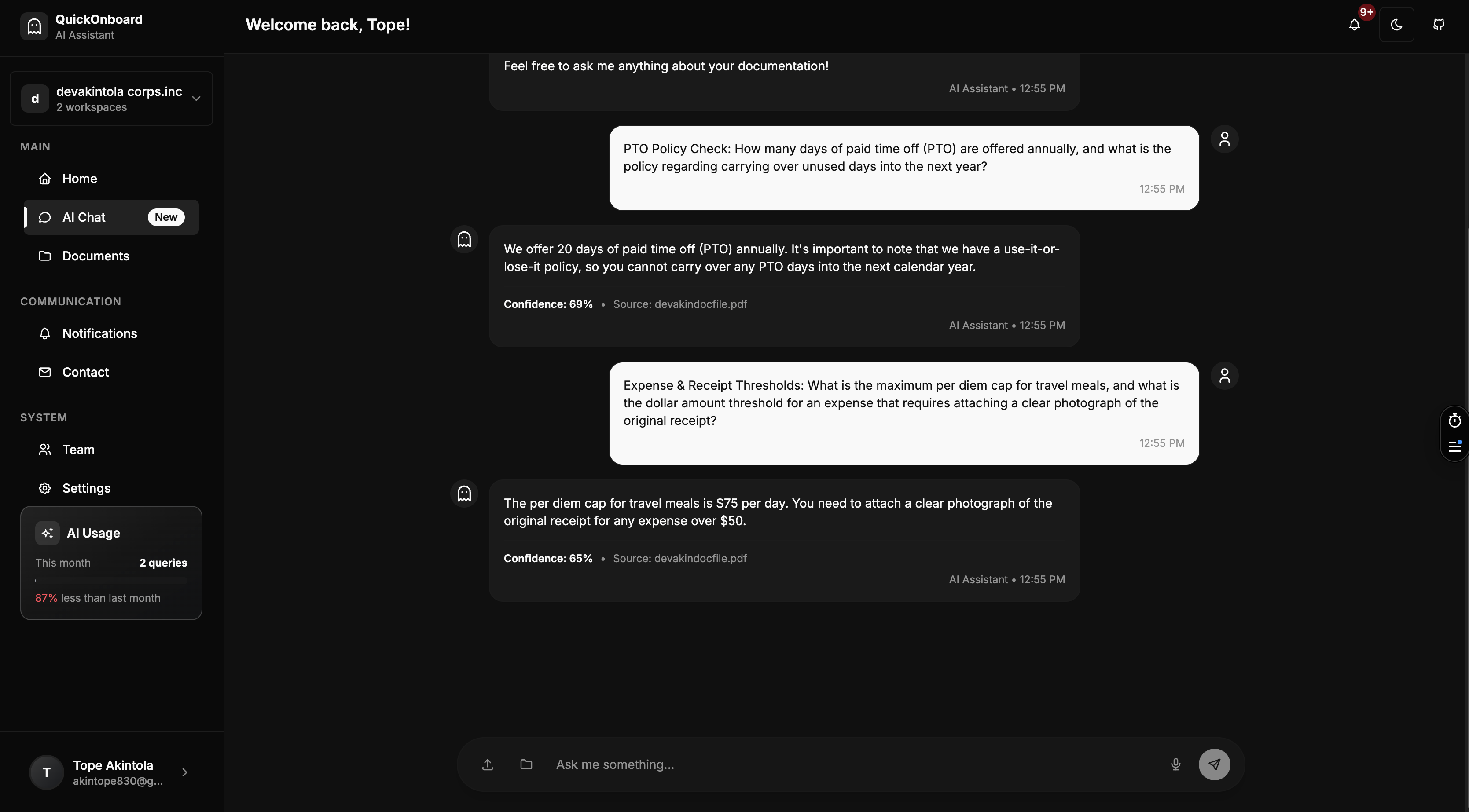
The Kiroween Hackathon challenged me to build something ambitious. Going solo, I knew I needed more than just a code generator—I needed an AI teammate that actually understood my entire architectural philosophy. My project, quickOnboardDoc (a secure, multi‑tenant RAG chatbot), was a true “Frankenstein” build, stitching together Next.js, Prisma, NextAuth, and the Gemini API.
The Problem: Architectural Drift
In a complex solo project, it’s easy to waste time on two things:
- Writing repetitive boilerplate (e.g., setting up a
QueryClientProvidercorrectly). - Constantly correcting the AI when it suggests the wrong tech—like offering MongoDB when I specifically need PostgreSQL and Prisma.
Both break flow and waste hours.
The Solution: Global Steering as Code Enforcement
I created a detailed /.kiro/global_steering_rules.md file in the root of my repository with the crucial directive inclusion: always. The file contained five strict mandates:
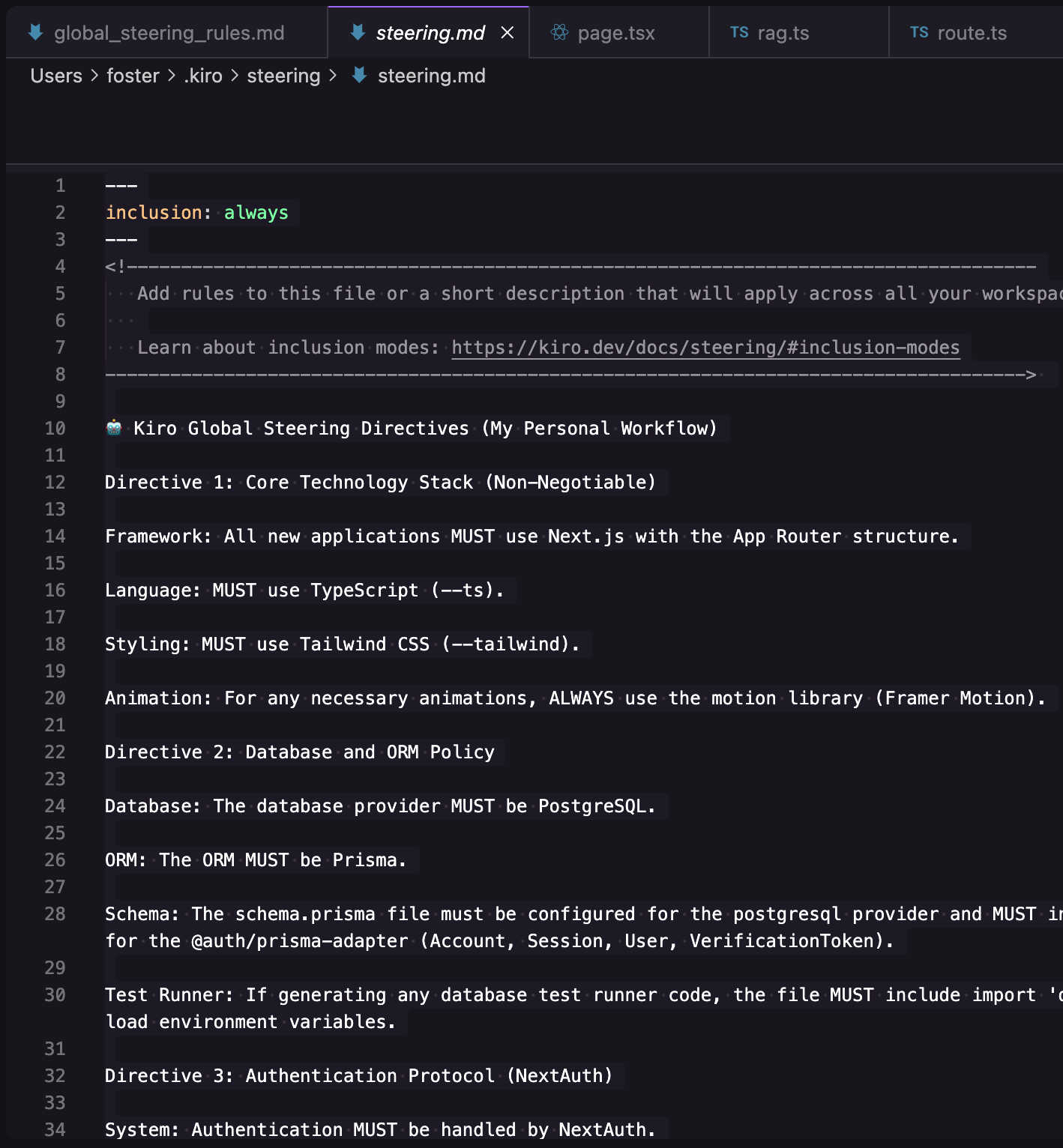
- Directive 1 – MUST use Next.js App Router with TypeScript and Tailwind.
- Directive 2 – MUST use Prisma with PostgreSQL.
- Directive 3 – Authentication MUST use NextAuth and the Prisma Adapter.
- Directive 5 – Data fetching MUST use TanStack Query with session persistence and a retry limit of 1.
This document turned Kiro into my personal linter and architect. Whenever I asked Kiro to “Scaffold a new page” or “Add a database model,” it already knew my stack and all its configurations.
The impact was immediate. Kiro automatically generated complex, production‑ready patterns—like the QueryProvider.tsx file that handles state persistence—without me having to prompt for those details even once. It eliminated architectural drift entirely.
Vibe Coding for the Costume Contest Win
While Steering handled the technical foundation, I used Vibe Coding for the creative, “Costume Contest” aspects.
I iteratively provided Kiro with descriptive prompts such as:
“Generate a high‑contrast ‘Crypt Keeper’ aesthetic using deep charcoal colors for the UI components.”
Kiro translated this abstract brief into specific, accessible oklch CSS variables that now define the entire app’s look and feel. This rapid visual prototyping was invaluable for getting the vibe right without fighting with CSS for hours.
What I Learned
The biggest lesson was the power of proactive tooling. Kiro’s Global Steering isn’t just a feature; it’s a development philosophy. Spending 15 minutes defining constraints up front saved me roughly 15 hours of correction and debugging throughout the hackathon.
quickOnboardDoc is a testament to what you can build solo when your development environment is perfectly aligned with your architectural vision.
Thank you to Kiro for being the AI teammate that made this “Frankenstein” project possible!
Try quickOnboardDoc – live demo | View the code
Ready to build faster?
kiro #nextjs #aitools #hackathon #codewithkiro