
Google Pixel ‘Project Toscana’ reportedly upgrades face unlock hardware, compares to iPhone Face ID
Source: 9to5Google
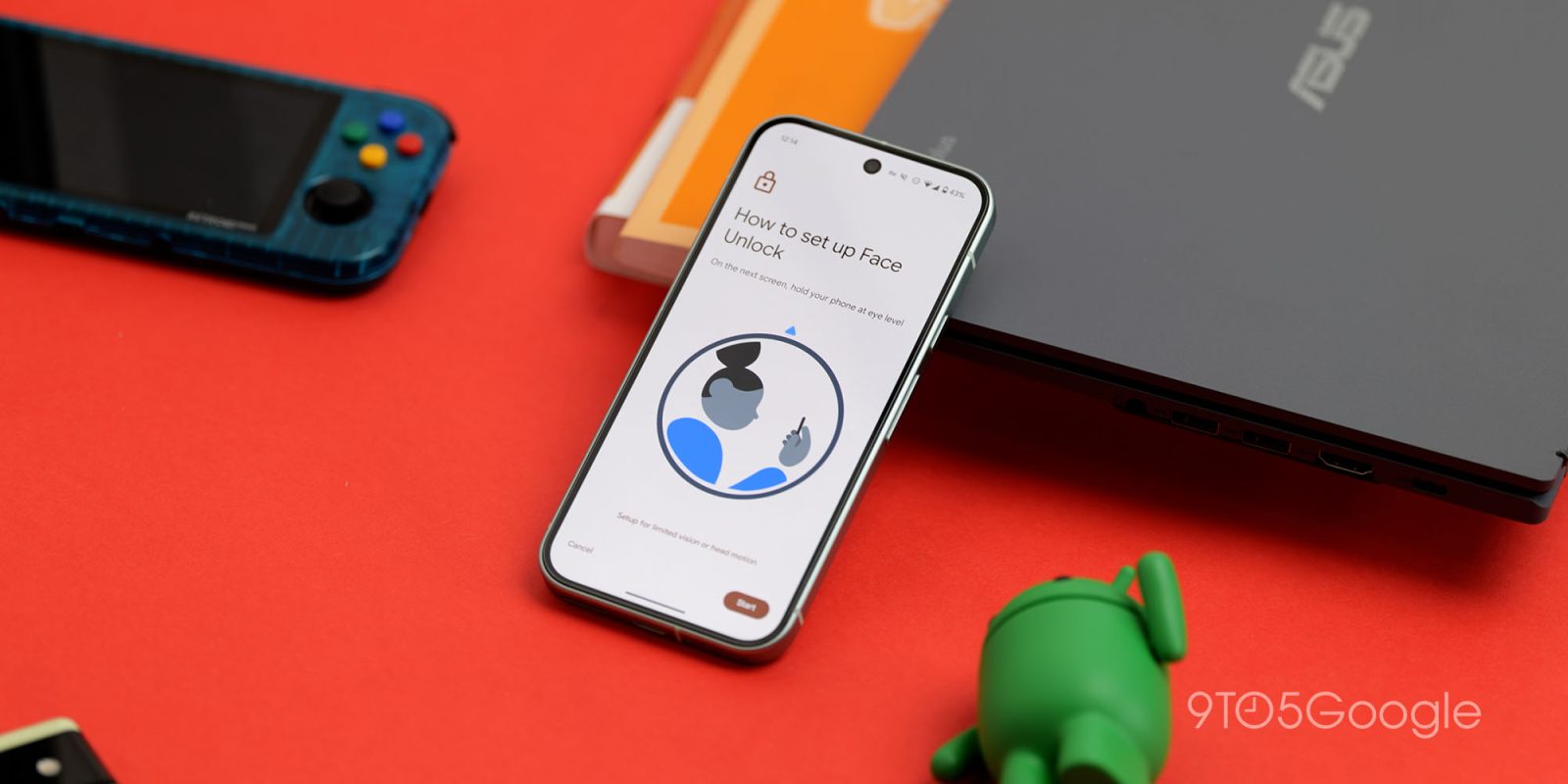
Biometrics are a core part of any smartphone nowadays, and Google Pixel is one of the few brands that balances both fingerprint and face unlock properly. But it seems Google wants to take things a step further on Pixel, with a new “Project Toscana” in the works that includes new face unlock hardware for phones and even Chromebooks, which is said to be comparable to iPhone’s Face ID in performance.
While Android phones today largely focus on fingerprint as the primary source of biometric authentication, it’s clear that Google has an allure for face unlock. The Google Pixel 4 went all‑in on face unlock with a full array of IR hardware that looked to compete with the iPhone’s Face ID setup, but that was quickly dropped in subsequent generations, likely due in part to the very bad timing of Google’s attempt launching just months before COVID‑19 made mask‑wearing commonplace.
Google has slowly rebuilt face unlock on Pixels in recent years, with the Pixel 7 series adding face unlock based on the camera, but without the ability to work with secure apps. Google figured that out a year later on the Pixel 8 series.
Now, it seems Google is preparing a hardware‑based upgrade.
Android Authority reports that Google is building out “Project Toscana” behind the scenes as a hardware upgrade to face unlock on Google Pixel smartphones as well as Chromebooks. The new upgrade, the report claims, still uses a single hole‑punch camera cutout on Pixel and “worked just as quickly as Face ID on the iPhone” in various lighting conditions, with a mention that it may be using IR. The project aims to build face unlock that works in any lighting condition without any extra visible hardware.
There were previous rumors that Pixel 11 would add face unlock that works in darker conditions using Tensor G6’s supposed support for an “under‑display IR (infrared) camera system.”
As it stands, there are still a lot of questions around how this might work, but it certainly sounds promising. The mention that it works “as quickly” as iPhone’s Face ID isn’t a huge surprise, as Google Pixel’s existing face unlock is already pretty quick, but the hint that this would work in “various” lighting conditions is exciting, given that the existing implementation is worthless in anything but ideal lighting.