F1: Preseason tests show how different 2026 will be
Source: Ars Technica
Bacon briefcase
Everyone’s trying to get mileage as F1 undergoes huge technical changes.
Credit: Marcel van Dorst/EYE4IMAGES/NurPhoto via Getty Images
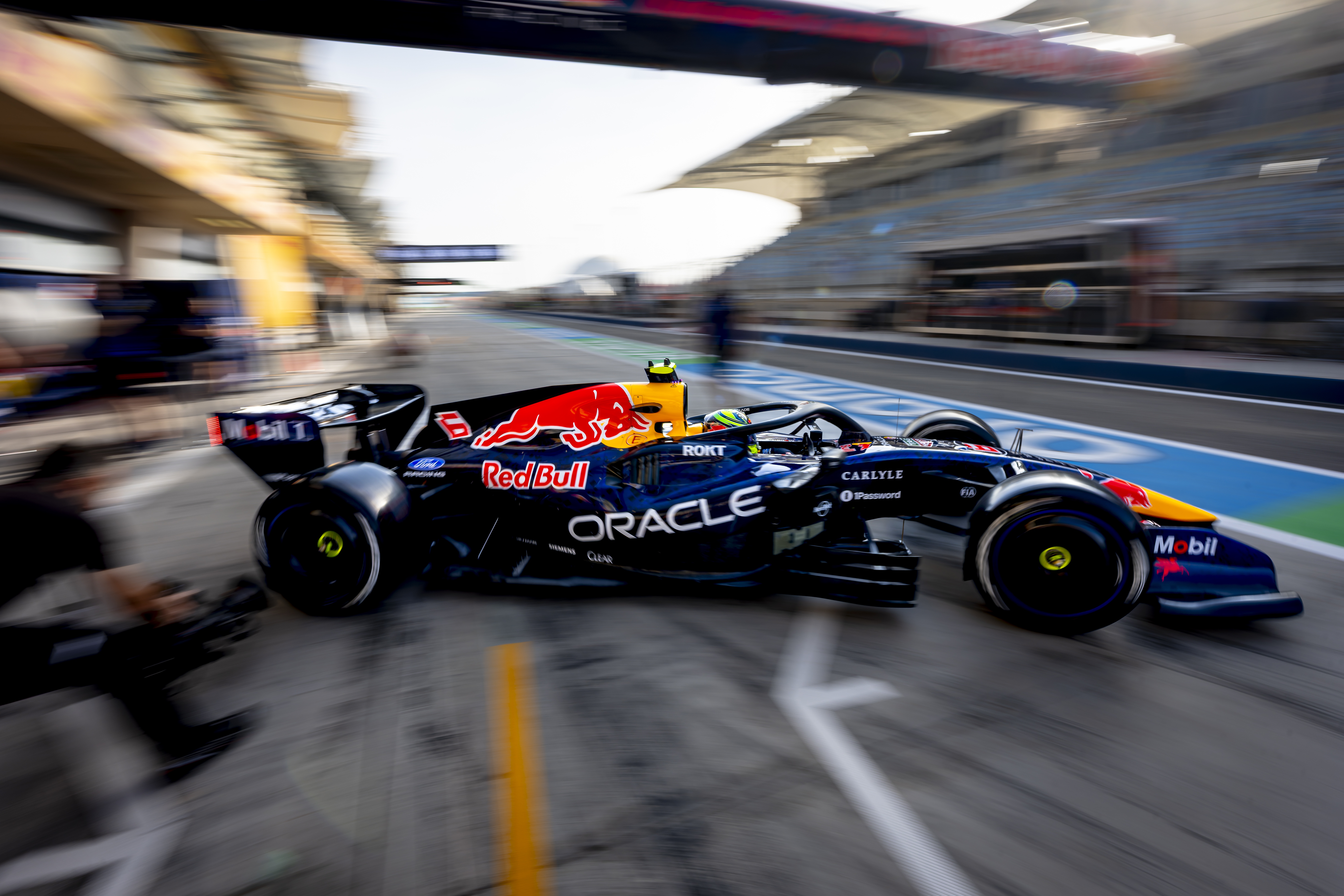
Red Bull promoted Isack Hadjar to the top team for 2026. Will he fare any better against Max Verstappen than past teammates?
It’s just two weeks until F1 gets underway in Australia, and teams are currently in Bahrain, midway through their third and final preseason test. The 2026 season promises to be wildly different from those of the past few years, with all‑new cars, engines, hybrid systems, and sustainable fuels entering the mix and shaking up the established order.
You shouldn’t read too much into times from preseason testing. The cars don’t have to conform to the in‑season rules as teams test new components or fit‑test rigs; for example, glowing brake discs could once again be seen on some cars that weren’t running wheel covers at an earlier test—something we’re unlikely to see during actual races.
You also don’t know how much fuel—and therefore extra weight—anyone is carrying. In the past, some teams have even made headlines by running too light to set more competitive lap times in an effort to impress potential sponsors. And as the name explains, it’s a test, so drivers will be following run plans devised with their engineers to learn specific things about their new cars. Or, as one Internet wag once put it, the times mean as much as “a bacon briefcase.”
All Change
The tests this year are anything but meaningless. After 12 years of using the same hybrid power units, the sport has moved to an all‑new design.
The internal‑combustion engine remains a turbo‑charged 1.6 L V6, but the turbocharger no longer includes the MGU‑H hybrid system that once harvested waste energy from the turbine and eliminated turbo lag. The remaining hybrid component—the MGU‑K, which harvests and deploys energy to the rear wheels—is now far more powerful and is paired with a 4 MJ (1.1 kWh) battery pack. As with many hybrid road cars, this kinetic energy can be recovered from braking or from the engine itself.
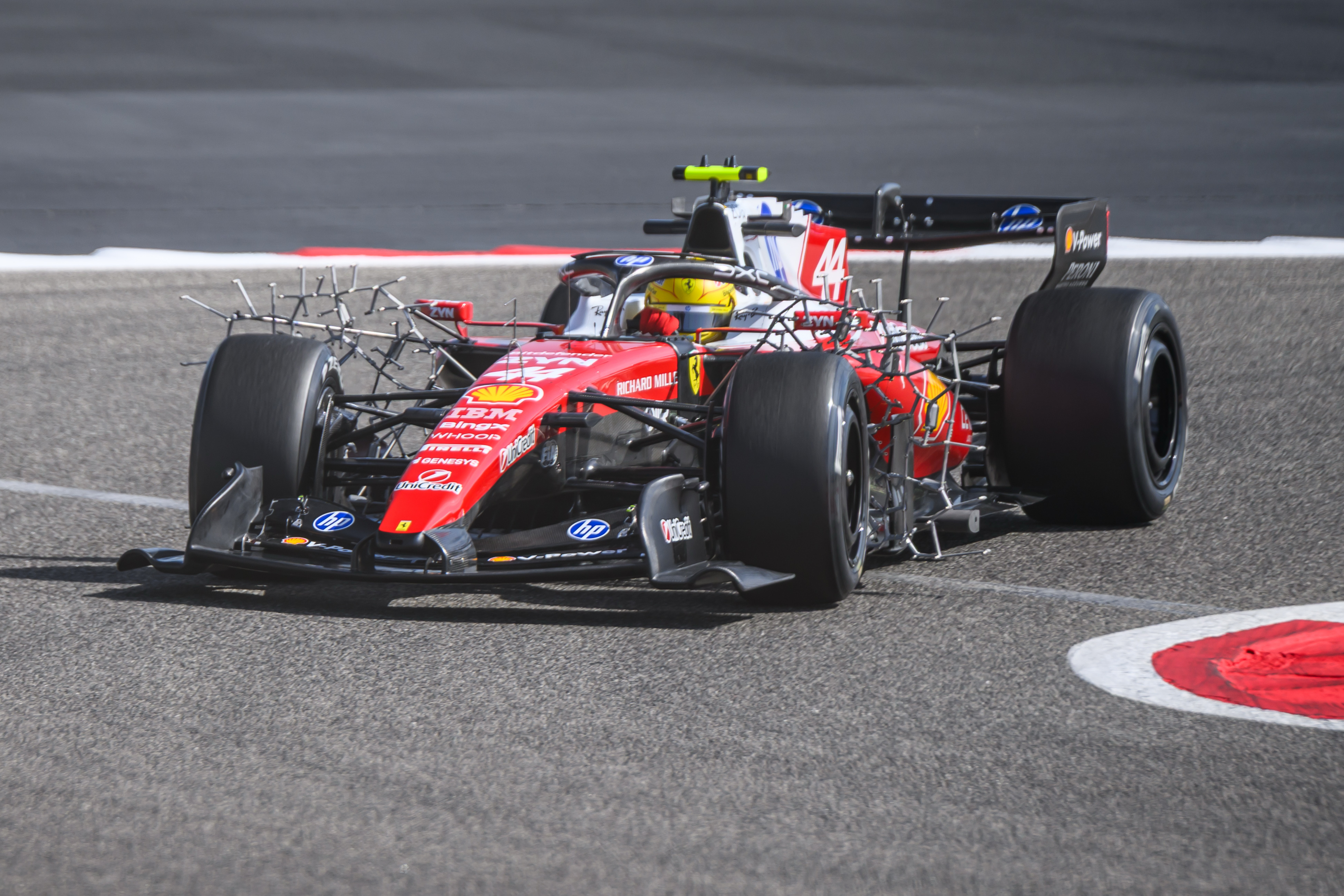
Ferrari showed real signs of speed during testing, but also a few problems. The contraption attached to the car measures wind pressure to correlate wind‑tunnel data with the real world.
Credit: Ahmad AlShehab/NurPhoto via Getty Images
Power figures
- V6 engine: 400 kW (≈ 536 hp)
- MGU‑K: up to 350 kW (provided the battery has charge)
- Maximum electrical deployment: 8.5 MJ (2.4 kWh) per lap
Because of these limits, energy management—knowing when to harvest and when to deploy—will be as crucial for F1 drivers as it was for LMP1‑h teams at Le Mans or for drivers in Formula E today.
New driving techniques
- Low‑gear downshifting to keep engine revs high and charge the battery.
- “Super‑clipping” (formerly “derating”): slowing toward the end of a straight while engine revs rise, sending power to the battery instead of the rear wheels so the MGU‑K can boost the car out of the next corner.
- These tactics vary lap‑to‑lap as battery state‑of‑charge and track conditions change, with the car’s onboard computer constantly adjusting energy deployment.
The teams have also been asked to test a reduced MGU‑K power output as a backup plan should critics’ concerns about the 2026 regulations materialise. (See the Race.com article.)
Race‑start considerations
The MGU‑K does not assist at race starts; it only begins to contribute above 50 km/h (31 mph). This restriction prevents drivers from depleting their batteries early and slowing dramatically compared with rivals during the first few corners.
It also highlights a potential performance differentiator this year: Ferrari, which supplies power units to Haas and Cadillac, opted for smaller, quicker‑spinning turbochargers, while the other OEMs chose larger turbos that deliver higher peak power. Ferrari is betting that the smaller, faster turbos will give it an edge at race starts and when drivers must rely solely on the V6.
Sleek
Credit: Jakub Porzycki/NurPhoto via Getty Images
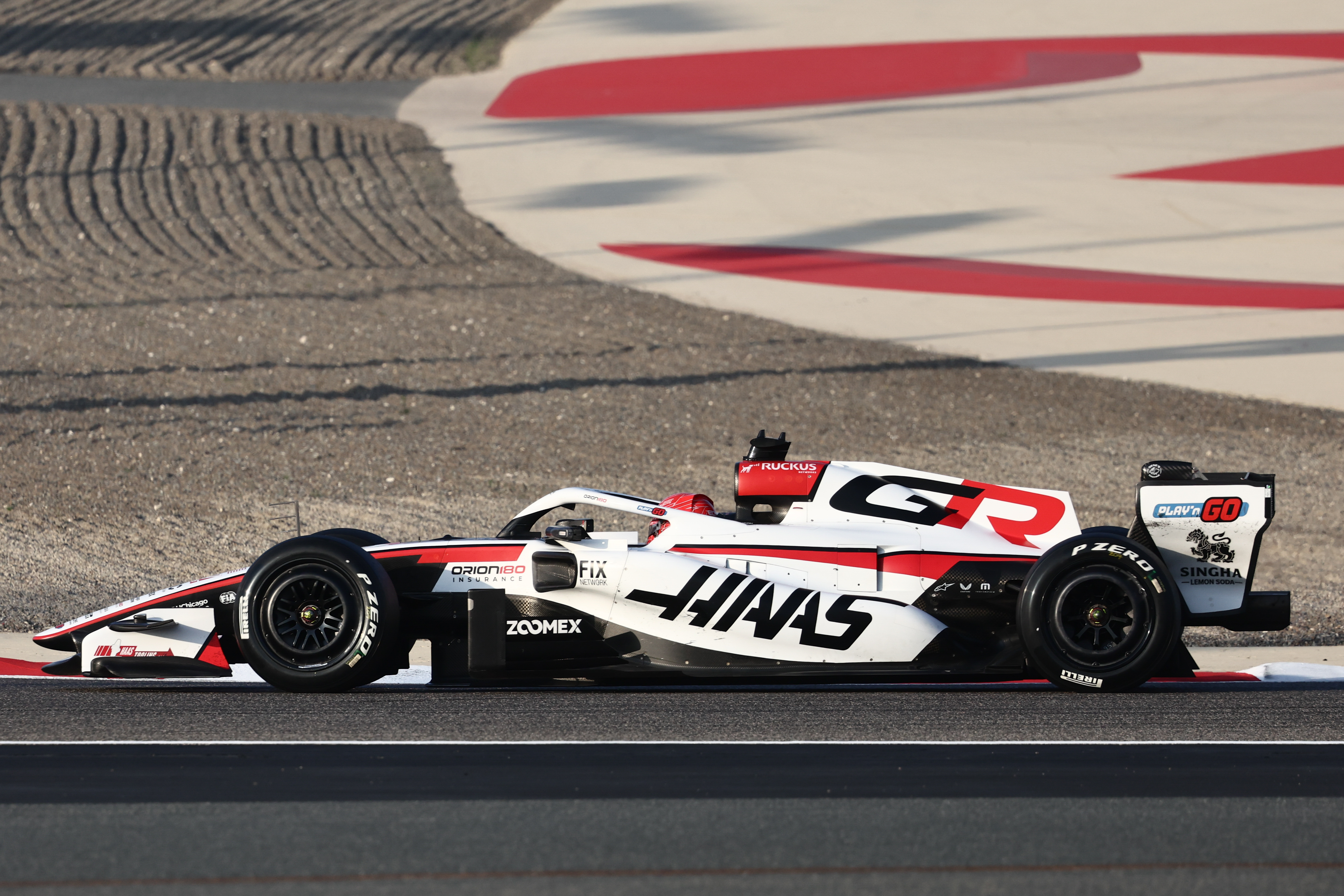
I’ll say this for the 2026 crop of cars: they sure look good. They’re a little shorter and narrower than last year’s cars, with slightly narrower tires and much greater diversity among the teams than in the tightly proscribed ground‑effect era. Those rules, which ran from 2022 to 2025, gave teams so little leeway in design decisions that performance converged to within fractions of a percent across the entire grid. Now everyone looks quite different from one another.
The big thing to watch this year is who can shed the most drag in straight‑line mode. Each car’s front and rear wings are now active, with a raised “corner mode” that generates lots of downforce and a “straight mode” that drops both wings to minimise drag (and therefore the energy the car needs to go fast). Ferrari tested an interesting approach in Bahrain, using rear‑wing elements that flipped a full 180°. I wonder if we’ll see that in‑season.
The arguments about engine compression ratios are still ongoing. Briefly, Mercedes is believed to have used clever materials science to create an engine in which the compression ratio increases rather than decreases as the engine gets hot. For 2026, engines are capped at a compression ratio of 16:1 but measured at ambient temperature. Next week the teams and the FIA will meet to discuss adding a hot‑test requirement for compression ratios – a move unlikely to benefit Mercedes (which maintains its engines are legal).
The Mercedes‑powered teams (Mercedes, McLaren, Williams, and Alpine) and Honda‑powered Aston Martin face another potential problem. Each power unit uses its own sustainable fuel – Mercedes’ supplied by Petronas, Honda’s by Aramco. To verify full sustainability, a homologation process with an independent third party must be completed. Neither Petronas nor Aramco have finished this process, and the March 1 deadline is fast approaching. If the deadline is missed, those five teams will still race but will have to use a substitute fuel that isn’t optimised for their engines.
Aston Martin
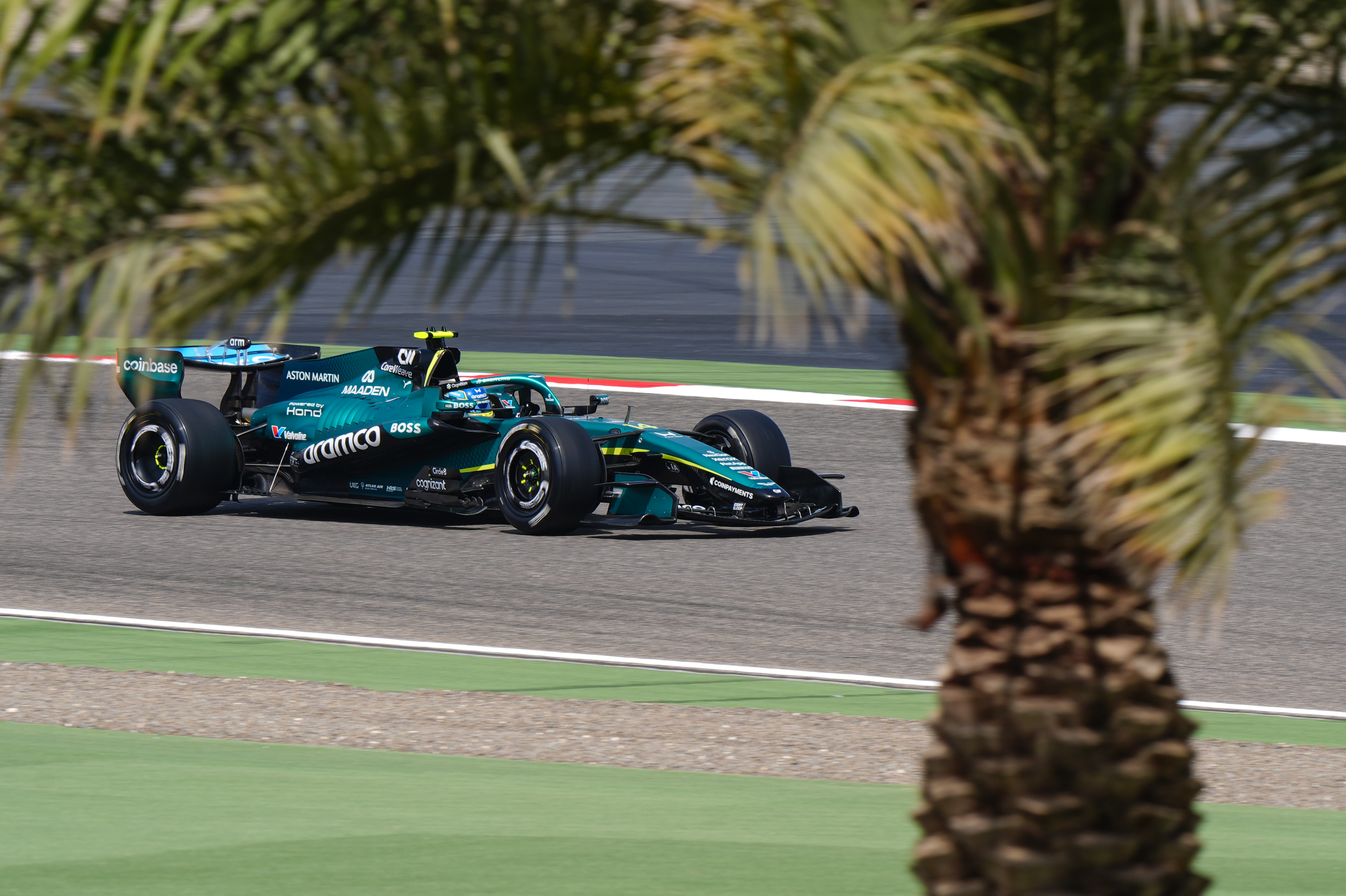
Credit: Bradley Collyer/PA Images via Getty Images
Huge sums have been invested in Aston Martin, to little effect so far. I’m pretty sure the unbelievable reliability that has characterised F1 for the last few seasons may be a thing of the past – at least for the opening races of 2026. Teams have missed hours of practice as they troubleshoot gremlins, and Aston Martin looks particularly bad in this regard, even compared with brand‑new Cadillac.
F1 coverage on Apple TV
We’re starting to get a clearer picture of how F1 coverage will work with the move to Apple TV in the US. Apple TV users will find an F1 tab in the Apple TV app, but you can also use the standalone F1TV app with your Apple credentials. We still have to wait until the first weekend in March to learn which F1 feed and commentary Apple will use, but the F1TV app remains an excellent way to follow the sport, offering:
- In‑house commentary
- Alternate commentary from the UK’s Sky TV
- In‑car feeds for each driver
- An archive of F1 races dating back decades
About the author

Jonathan M. Gitlin – Automotive Editor, Ars Technica. He holds a BSc and PhD in Pharmacology. In 2014 he left the National Human Genome Research Institute to pursue his lifelong passion for cars and launched Ars Technica’s automotive coverage. He lives in Washington, DC.
42 Comments