
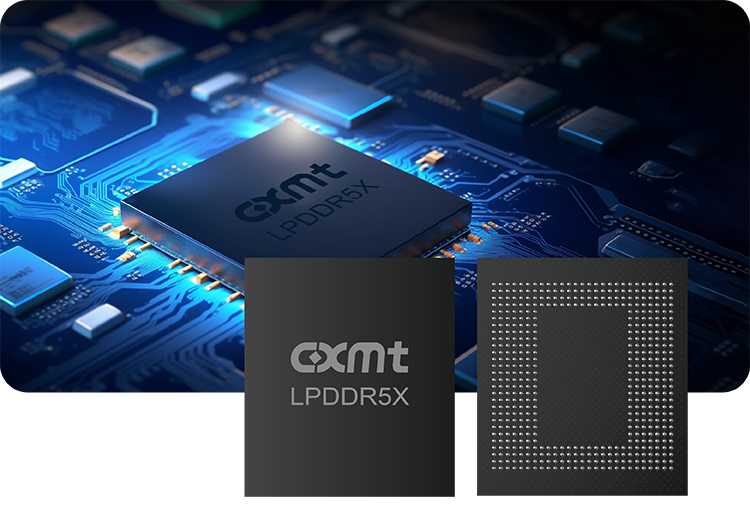
CXMT has been offering DDR4 chips at about half the prevailing market rate
Source: Hacker News
Overview
Samsung Electronics and SK hynix are racing to mass‑produce sixth‑generation high‑bandwidth memory (HBM4), while Chinese rivals are gaining ground in the legacy DRAM market by offering chips at roughly half the prevailing price.
DDR4 Pricing Pressure
- CXMT’s strategy: Offering older‑generation DDR4 chips at about 50 % of the market rate.
- Market context: Global supply shortages have driven DDR4 prices sharply higher.
- Price data (DRAMeXchange, end‑January):
- Average fixed contract price for PC DDR4 8 Gb: $11.50 (up 23.7 % from $9.30 a month earlier).
- Compared with a year earlier, the price is more than eight times higher.
- DRAM prices have risen for 10 consecutive months, the highest level since June 2016.
Demand Signals
- US hardware firms HP and Dell are testing CXMT’s DRAM for quality.
- Taiwanese OEMs Asus and Acer are exploring cooperation with Chinese partners.
“Chinese firms are waging a volume‑based strategy starting with general‑purpose memory, backed by state subsidies and domestic demand from AI servers and locally developed GPUs,” – anonymous industry source.
Implications for Korean Chipmakers
- The legacy DRAM segment still represents a significant portion of earnings for Samsung and SK hynix.
- More than half of total DRAM production capacity at both companies is allocated to general‑purpose products.
- Even with leadership in HBM4, erosion of the mainstream market could pressure profitability.
CXMT’s Expansion Plans
- Wafer conversion: About 20 % of CXMT’s total DRAM output (≈ 60,000 wafers/month) at its Shanghai plant is being repurposed for fourth‑generation HBM3 production.
- Future outlook: Discussions are underway for post‑HBM3E products.
- Capacity: Shanghai facility is 2–3 × larger than the Hefei headquarters plant.
- Timeline: Equipment installation expected in H2 2026; mass production slated for 2027.
- Market role: Although HBM3/HBM3E trail HBM4 in performance, they remain widely used in AI data centers.
YMTC’s Progress in NAND
- Market share: Recorded a 10 % share of the global NAND market for the first time last year.
- New fab: Building a third fabrication plant in Wuhan, targeting operations in 2027.
- Capacity allocation: Half of the new plant’s capacity will be dedicated to DRAM, initially focusing on legacy products with potential expansion into HBM production via local assembly partners.
“At this stage, Chinese manufacturers are relying on aggressive pricing to build scale in legacy DRAM. Over time, the technology gap may narrow more quickly than expected. Even if Korean firms maintain leadership in HBM, neglecting the mainstream segment could weigh on profitability in the longer run,” – anonymous source.
Contact: yeeun@heraldcorp.com