
Clandestine network smuggling Starlink tech into Iran to beat internet blackout
Source: Hacker News
Sahand packs a Starlink terminal he is preparing to send to Iran
“If even one extra person is able to access the internet, I think it’s successful and it’s worth it,” says Sahand.
The Iranian man is visibly anxious as he speaks to the BBC outside Iran, carefully explaining how he is part of a clandestine network smuggling satellite‑internet technology—illegal in Iran—into the country.
Sahand (a pseudonym) fears for family members and other contacts inside Iran. “If I was identified by the Iranian regime, they might make those I’m in touch with in Iran pay the price,” he says.
For more than two months, Iran has been in digital darkness as the government maintains one of the longest‑running national internet shutdowns ever recorded worldwide.
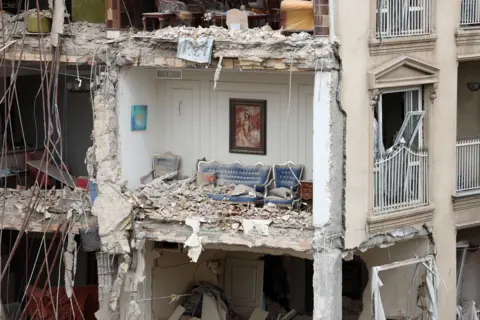
- The current blackout began after the US and Israel launched airstrikes on 28 February.
- Before that, internet access had been partially restored for just a month following a previous shutdown in January, imposed during a deadly regime crackdown on nationwide protests.
More than 6,500 protesters were killed and 53,000 arrested, according to the US‑based Human Rights Activists News Agency (HRANA).
Officials say the government shut down the internet during the war for “security reasons,” suggesting the aim is to prevent surveillance, espionage and cyber‑attacks.

Information scarcity under the blackout
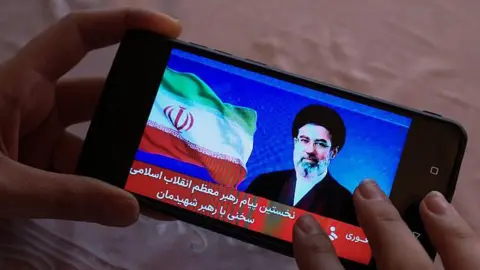
Without access to independent information sources, Iranians rely on media outlets that are run by the regime or are closely aligned with it.
The Starlink devices Sahand sends to Iran are one of the most reliable ways of bypassing the shutdown. The white, flat terminals—paired with routers—provide internet access by connecting to a network of satellites owned by Elon Musk’s SpaceX, allowing users to completely bypass Iran’s heavily controlled domestic internet.
- Several people can connect to each terminal at the same time.
- Sahand and others in the network buy the terminals and “smuggle them through the borders” in a “very complex operation,” though he declines to give details.
- He says he has sent a dozen to Iran since January and “we are actively looking for other ways to smuggle in more.”
The human‑rights organisation Witness estimated in January that there are at least 50,000 Starlink terminals in Iran; activists say the number is likely higher. The BBC contacted SpaceX for comment but received no response.
Last year, the Iranian government passed legislation making the use, purchase or sale of Starlink devices punishable by up to two years in prison. Distributing or importing more than ten devices can carry a sentence of up to ten years.
State‑affiliated media have reported multiple arrests for buying or selling Starlink terminals, including four people—two foreign nationals—detained last month for “importing satellite internet equipment.” Some arrests also involve accusations of possessing illegal weapons and sending information to the enemy.
International solidarity
Protesters in London have joined calls for unrestricted internet access in Iran.
Despite the crackdown, a market for the terminals continues, including through a public Persian‑language Telegram channel called NasNet. A volunteer involved with the channel from outside Iran told the BBC that approximately 5,000 Starlink terminals have been sold through it in the past two and a half years.
Iran has a long history of controlling information—both by pushing anti‑American and anti‑Israeli narratives via state‑run media and by restricting reporting on repressive measures used against critics.
During the January protests, even with the internet shut down, reports and video evidence of extrajudicial killings, arrests and beatings still trickled out. Human‑rights organisations believe much of this information came from people accessing social‑media platforms via Starlink.
Iran’s “tiered” internet system
- Domestic network – All Iranians have access to a state‑controlled network that hosts services such as banking, ride‑hailing, food delivery and state‑run media.
- Global internet (pre‑blackout) – Before the blackouts, Iranians could also reach the worldwide web, though many sites (Instagram, Telegram, YouTube, WhatsApp) were blocked and the government charged higher prices for access than for the domestic network.
Many Iranians circumvented these restrictions by using virtual private networks (VPNs).
This article was prepared by Reha Kansara for the BBC Global Disinformation Unit.
Starlink smuggling amid Iran’s internet blackout
connect users to websites via remote servers, concealing their locations. Subscriptions for these also pushed up costs.
Now, under the blackout, only a select few officials and other individuals—including journalists working for state media—have unfettered internet access using what are known as “white SIM cards.”

In 2022, Elon Musk announced that Starlink was being activated in Iran after severe internet disruptions during protests sparked by the death in custody of Mahsa Amini. Since then, its use has grown, especially during shutdowns.
With authorities increasingly hunting for Starlink terminals, Sahand and his network are advising users to pair VPNs with the satellite technology to remain incognito. Many, however, cannot afford this amid an economic crisis.
Sahand is one of three people the BBC has spoken to who say they are involved in smuggling Starlink devices. He explains that the operation—including the purchase of terminals—is funded by Iranians abroad and other sympathisers; no state funds are involved. The terminals are sent to individuals believed to use them to share information internationally.
“People need internet to be able to share what’s happening on the ground,” says Sahand.
“We believe these terminals should be in the hands of those who really need it to make change.”
A digital‑rights group that wished to remain anonymous told the BBC it estimates at least 100 people have been arrested for possession of the terminals. Sahand says he also knows people who have been arrested for accessing or owning one—none of whom obtained the device through him.
Yasmin, an American‑Iranian (name changed), told the BBC that a male family member was arrested in Iran and accused of espionage for possessing a Starlink terminal.
The BBC asked the Iranian embassy in London why only a few people are allowed internet access and why penalties for using Starlink are so severe, but received no response.
The Iranian government has, however, admitted that the shutdown has hit some businesses hard. A minister said in January that every day of the blackout costs the economy at least 50 trillion rials (≈ $35 m; £28 m).
“Internet Pro” scheme
Iran recently launched a scheme called “Internet Pro,” which allows certain businesses limited access to the global internet. One man who works for a company in Iran told the BBC he has been given access via this initiative.
“The intention was to maintain business connectivity during the crisis,” said government spokesperson Fatemeh Mohajerani.
“We are completely opposed to communication injustice, and once the situation returns to normal the Internet situation will also change.”
International reactions
“Communications blackouts are a clear violation of human rights and they can never be justified,” said Marwa Fatafta, regional policy and advocacy director at Access Now, ahead of World Press Freedom Day (3 May). She warned that internet blackouts are becoming a “new norm.” According to Access Now, there were 313 blackouts across 52 countries in 2025, the highest number since tracking began in 2016.
Roya Boroumand, executive director of the Abdorrahman Boroumand Centre for Human Rights, explained that an information vacuum in Iran “allows the state to broadcast its narrative—portraying protesters as violent actors or foreign agents—while its victims, including those sentenced to death, and informed sources are silenced.”
Sahand’s motivation
“The Iranian regime has proven that during a shutdown, they can kill,” Sahand says. “It is super crucial for Iranians to be able to portray the real picture of the situation on the ground.”
He adds that those who voluntarily help with smuggling “are aware of the risk,” but stresses that “it’s a fight” and “we feel somehow we have to intervene and help.”