
China to increase leading-edge chip output by 5x in two years, report claims — aims to lift 7nm and 5nm production to 100,000 wafers per month, targeting half a million monthly by 2030
Source: Tom’s Hardware
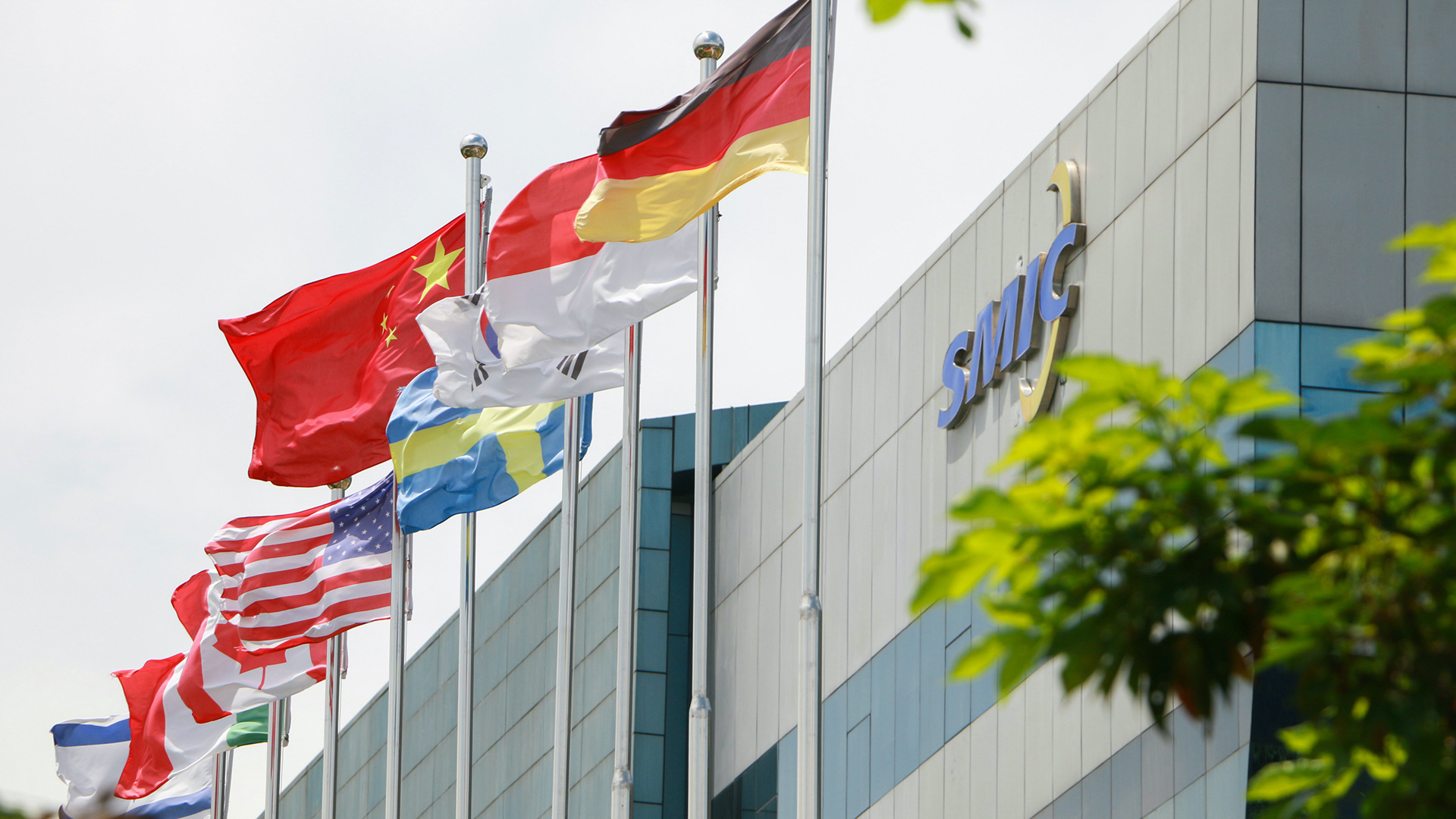
Image credit: SMIC
Overview
China’s leading chipmakers aim to increase the output of chips produced with leading‑edge process technologies by five times within two years to meet the growing demand from the domestic AI sector, according to a report by Nikkei【https://asia.nikkei.com/business/technology/tech-asia/china-aims-for-5-fold-increase-in-advanced-chip-output-to-meet-ai-demand?utm_campaign=GL_asia_daily&utm_medium=email&utm_source=NA_newsletter&utm_content=article_link&del_type=1&pub_date=202602251230000900&seq_num=5&si=__MERGE__user_id__MERGE】. Achieving this target is challenging because Chinese foundries lack access to the most advanced equipment from American, Japanese, and European suppliers.
SMIC
Semiconductor Manufacturing International Corp. (SMIC) is currently the only Chinese company capable of producing chips on 7 nm‑class processes. The company has been expanding its advanced‑node capacity across fabs in Shanghai, Shenzhen, and Beijing. SemiAnalysis estimates that SMIC could reach roughly 50,000 wafer starts per month on advanced nodes by 2025【https://newsletter.semianalysis.com/p/huawei-ai-cloudmatrix-384-chinas-answer-to-nvidia-gb200-nvl72】.
SMIC’s co‑CEO Zhao Haijun recently noted that some of the advanced equipment the company has procured cannot be put into production this year because supporting tools have not yet been purchased:
“Due to the impact of external factors, the company has procured some key equipment in advance, while the supporting equipment may not be purchased yet. This timing difference has brought an even situation that the procured equipment may not be able to form production lines this year.”
Zhao added that, based on current conditions, SMIC expects an increase of about 40,000 12‑inch‑equivalent wafers per month by the end of the year compared with the end of last year.
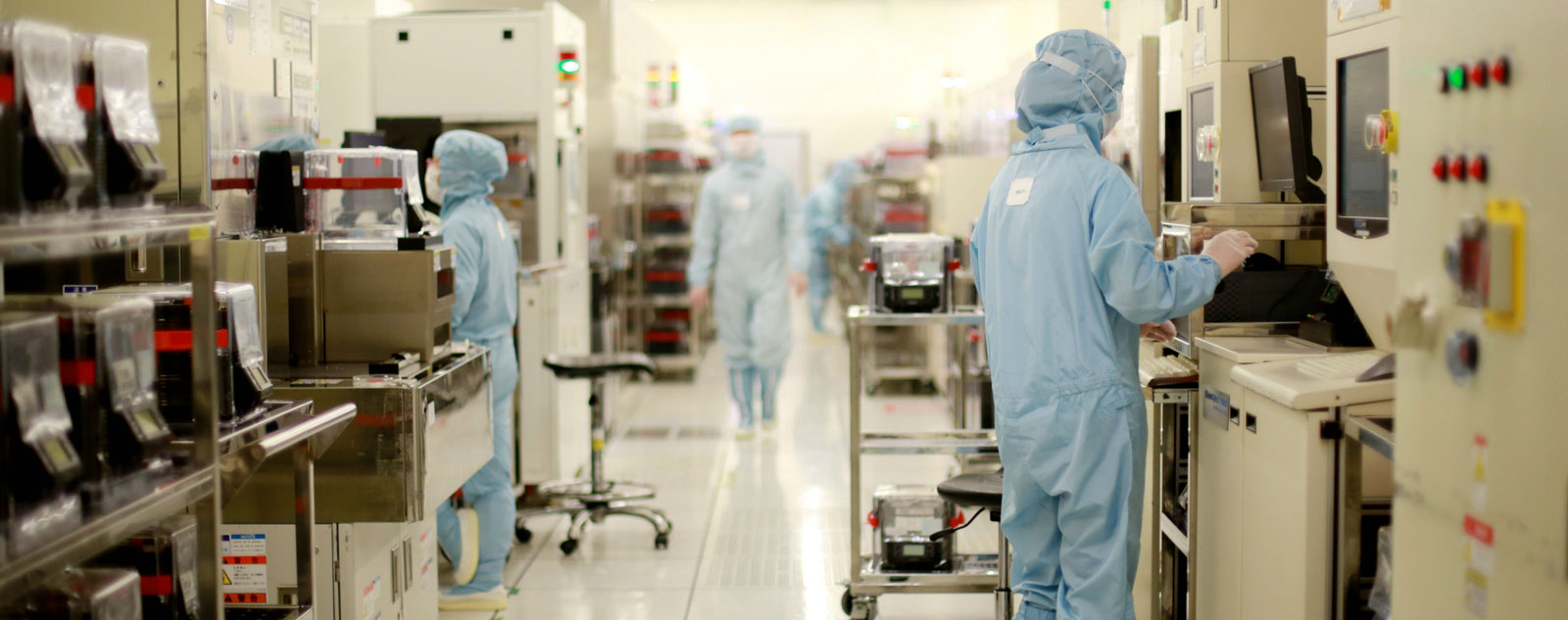
Image credit: SMIC
Hua Hong Semiconductor
China’s second‑largest contract chipmaker, Hua Hong Semiconductor, has traditionally focused on mature nodes. Under pressure from central and regional authorities, the company is now expanding into advanced logic manufacturing, ramping its 28 nm and 22 nm capacities. Huawei is reportedly providing technical assistance for this transition, as noted by Nikkei.
Other Chinese Entities
Huawei‑linked firms such as PengXinWei and Dongguan Guangmao Technologies are developing pilot lines and capacity for nodes more advanced than 10 nm.
Capacity Estimates
UBS estimates that China’s existing capability for 22 nm/28 nm and below nodes is around 30,000–50,000 wafer starts per month. This suggests that SMIC’s 7 nm production lines currently handle fewer wafers than the overall capacity at these mature nodes.
A recent UBS note projects:
“The combined capacity expansion of multiple ‘advanced’ fabs could be 50 K–60 K wafers per month (wpm) or even higher in 2026E, up from 30 K–50 K wpm in 2025. Our prior industry discussions suggested China targets to reach 150 K–160 K wpm advanced‑node capacity by the end of 2027.”
References
- Nikkei article on China’s chip output goals: https://asia.nikkei.com/business/technology/tech-asia/china-aims-for-5-fold-increase-in-advanced-chip-output-to-meet-ai-demand
- SemiAnalysis analysis of SMIC’s roadmap: https://newsletter.semianalysis.com/p/huawei-ai-cloudmatrix-384-chinas-answer-to-nvidia-gb200-nvl72