
Book publishers accuse Meta and Mark Zuckerberg of copyright infringement
Source: Engadget
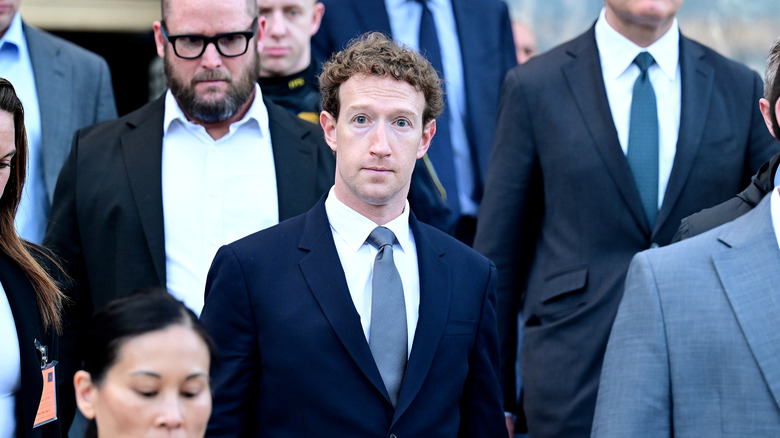
Wally Skalij/Getty Images
Lawsuit Overview
Meta and its CEO Mark Zuckerberg are facing a class‑action lawsuit filed by five book publishers and one author. The complaint alleges that Meta illegally used copyrighted works to train its Llama generative‑AI platform.
The filing can be read in full here: Class action complaint (PDF).
Plaintiffs
- Hachette
- Macmillan
- McGraw Hill
- Elsevier
- Cengage
- Scott Turow (best‑selling author)
Allegations
“Defendants reproduced and distributed millions of copyrighted works without permission, without providing any compensation to authors or publishers, and with full knowledge that their conduct violated copyright law. Zuckerberg himself personally authorized and actively encouraged the infringement.”
The complaint asserts that Meta’s training of Llama involved massive, unlicensed copying of protected texts.
Prior Legal Actions Involving Meta
-
2023 authors’ lawsuit – A group of authors attempted to sue Meta (and OpenAI) for copyright infringement but were ultimately unsuccessful.
- Details: Engadget article on the attempt
- Outcome: Engadget article on the loss
-
LibGen case – A lawsuit filed by the Library Genesis (LibGen) project specifically called out Zuckerberg for encouraging the use of pirated material to train Llama.
- Read more: Engadget coverage
-
UK authors’ warning – A coalition of British authors raised concerns last year about Meta potentially violating copyright law.
- Read more: Engadget coverage
Related Cases
-
Anthropic lawsuit – A judge ruled that Anthropic’s AI training on copyrighted material could be considered fair use, though piracy was mentioned as an alternative avenue for damages.
- Details: Engadget article
-
Meta’s response – Dave Arnold, a Meta spokesperson, told The New York Times that courts have found AI training on copyrighted material can qualify as fair use.
- Read the statement: The New York Times article