
As a Pixel Watch 4 owner, I really love (and hate) the new Fitbit Air
Source: Android Authority
I’ve worn a Pixel Watch on my wrist since the original dropped in 2022, moving through all four models of Google’s smartwatch. Before that, I spent many years with Fitbit devices—from the original Fitbit One to the Flex, Alta, Charge, Blaze, and more. I love the product line, and it’s no surprise that I’m really excited about the new Fitbit Air.
It captures the quintessential Fitbit experience I grew to love with the screenless Flex, but brings it into the modern day with a sleeker design and updated capabilities. As a Pixel Watch fan, I absolutely love that the Air exists, even though there are a few things I dislike about it.
Pixel Watch or Fitbit Air? Which one do you prefer?
The Fitbit Air is the perfect companion to a Pixel Watch
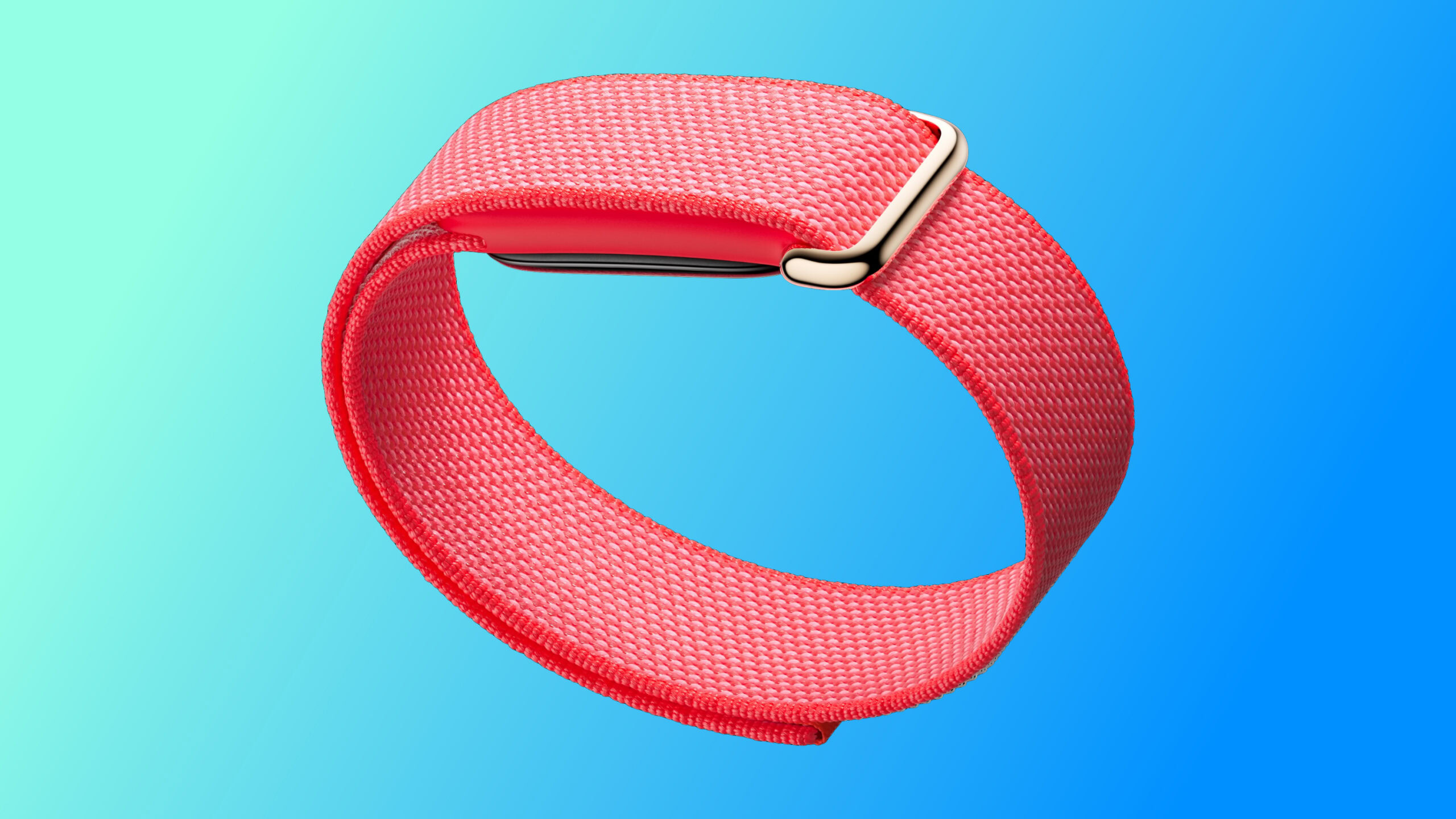
Although the Fitbit Air was built by Google to be a standalone fitness tracker that can monitor exercise, sleep, and heart rate throughout the day and sync with the new Google Health app, it also serves as an excellent companion to the Pixel Watch 4.
Google finally added multi‑tracker support, allowing a Pixel Watch and a Fitbit Air to be paired simultaneously in the Google Health app. You can specify the order of preference for each metric, meaning you can:
- Wear the Pixel Watch 4 all day, prioritizing it for activity tracking, heart‑rate data, and notifications.
- Switch to the thinner, lighter Fitbit Air at night for sleep tracking—no notifications, no screen, just silent smart alarms.
When the Pixel Watch isn’t on your wrist, Google can pivot to the Fitbit Air’s data stream for heart‑rate monitoring. This seamless switching creates a two‑tracker solution that balances features, comfort, connectivity, and disconnection.
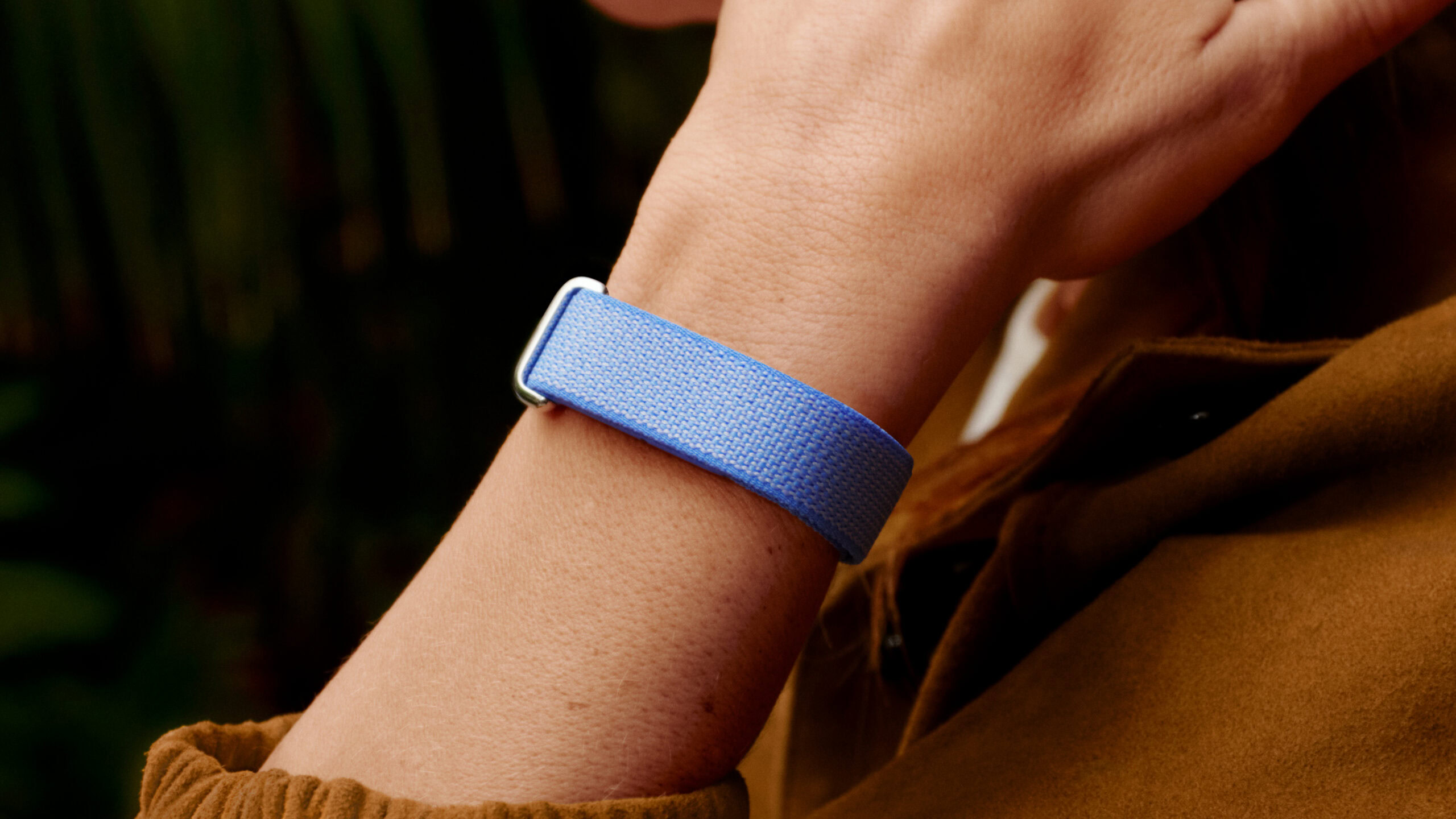
The pebble‑like design also opens possibilities for third‑party bands, allowing you to wear the Air as an armband, ankle bracelet, or even clip it to shoes for cadence measurement. The future feels much more versatile now that we’re no longer tied to a single wrist‑worn device.
How Google missed the ball with the Fitbit Air
Many users are bemoaning the lack of GPS on the Fitbit Air, but that isn’t my biggest concern. Two issues stand out for me:
- Separate charger – The Fitbit Air uses the older dual‑pin charging system found on previous Pixel Watches and Fitbits, while the Pixel Watch 4 switched to a new contact‑based charger. This means I need a second charger by my bedside, which is inconvenient despite the Air’s seven‑day battery life.
- Sensor differences – The Air’s optical heart‑rate sensor is less accurate than the Pixel Watch 4’s multi‑path sensor, and it lacks an ECG sensor for AFib detection and a skin‑cEDA sensor for stress and body‑response tracking. It does retain SpO2 and temperature sensors. While these missing sensors aren’t critical for sleep, they reduce the data richness and life‑saving potential when the Air is used as a standalone device.
At $99, the Fitbit Air is still a solid value, but a future “Fitbit Air 2” could address these shortcomings—especially by adopting a unified charger.