
Apple could turn to Samsung as a Plan B for its iPhone and Mac chips
Source: Android Authority
TL;DR
- Apple is considering partnering with Samsung and Intel to manufacture chips in the US.
- It may rely on these partners if TSMC cannot meet demand due to limited US fab capacity and rising AI‑related pressure.
- The talks are still preliminary and far from finalized.
Background
Taiwan Semiconductor Manufacturing Company (TSMC) currently handles roughly three‑quarters of global chip fabrication. The surge in demand for AI‑focused chips is straining TSMC’s capacity, prompting mobile manufacturers and chip designers to explore alternative foundries. Qualcomm, for example, is already leaning on Samsung for part of its Snapdragon 8 Elite Gen 6 chips.
Apple’s Considerations
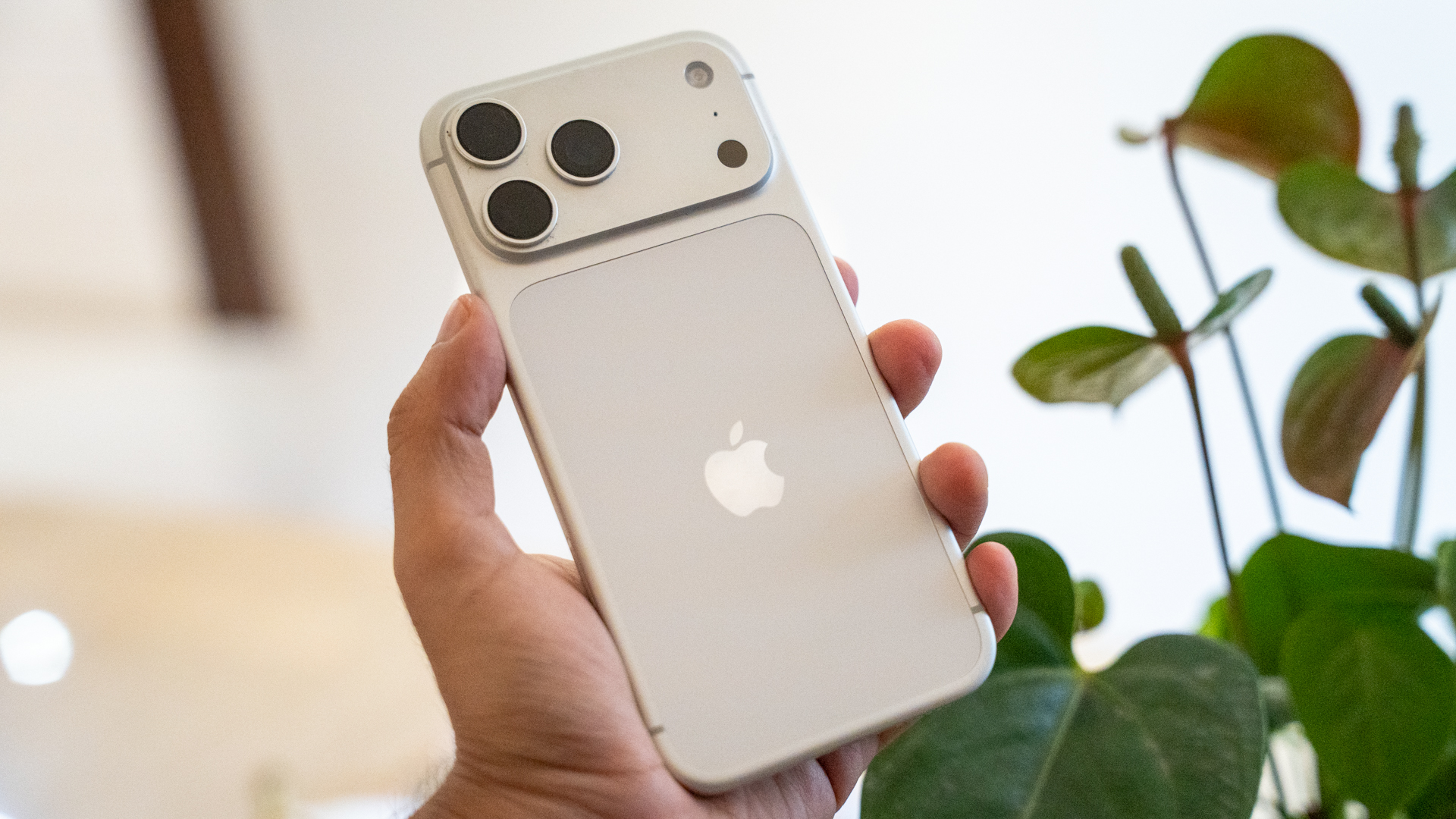
Apple is reportedly evaluating other chipmakers to meet its chip demand if TSMC cannot satisfy its requirements. According to a recent Bloomberg (paywalled) report, Apple has held preliminary talks with Samsung and Intel regarding the “main” chipsets for its devices. Apple executives have visited Samsung’s upcoming fabrication facility in Taylor, Texas—a $17 billion plant expected to be operational by the end of 2026.
Tim Cook, on a recent earnings call, highlighted supply‑chain concerns, noting that chipmakers are under pressure to meet AI data‑center demand. He emphasized that Apple’s primary worry is securing advanced nodes for its in‑house A‑ and M‑series chips, rather than RAM shortages faced by competitors.
Potential Partnerships
Samsung
Samsung already supplies Apple with displays and memory modules and has confirmed collaboration on “an innovative new technology for making chips” in the US. While Samsung is well‑positioned to provide chips, Apple prefers multiple suppliers to increase negotiating leverage and mitigate geopolitical risks affecting Taiwan‑China relations.
Intel
A partnership with Intel could improve Apple’s standing with the U.S. government. Intel received a roughly $9 billion relief package under the Trump administration, which was highlighted as a success for U.S. industrial policy.
Strategic Implications
- Supply‑Chain Resilience: Diversifying beyond TSMC reduces the risk of bottlenecks and political disruptions.
- Geopolitical Leverage: Multiple sources give Apple flexibility if tensions between Taiwan and mainland China affect chip supplies.
- U.S. Manufacturing Footprint: Collaborations with Samsung’s Texas fab and Intel align with U.S. policy goals to expand domestic semiconductor production.
References
- Qualcomm’s reliance on Samsung: https://www.androidauthority.com/qualcomm-snapdragon-8-gen-5-specs-leak-3611592/
- Apple’s TSMC contract discussion: https://www.androidauthority.com/apple-tsmc-2nm-process-contract-3444917/
- Apple’s announcement on U.S. commitment: https://www.apple.com/newsroom/2025/08/apple-increases-us-commitment-to-600-billion-usd-announces-ambitious-program/
- Samsung‑Apple chip collaboration: https://www.androidauthority.com/samsung-apple-iphone-chips-3584729/