
AMD may have just made these high-end handhelds obsolete after only two and a half years
Source: Android Authority
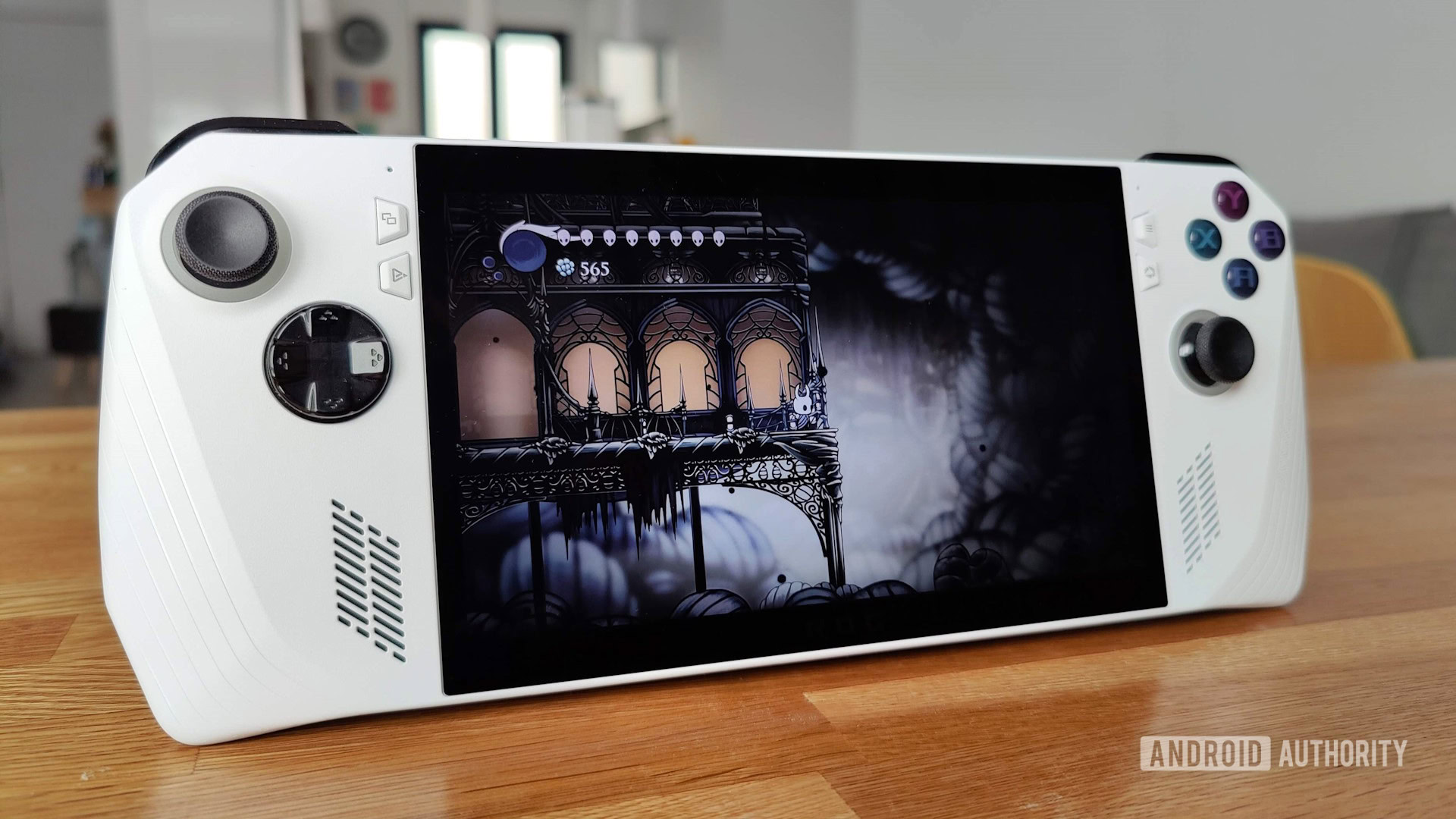
Nick Fernandez / Android Authority
TL;DR
- Reports from users and comments from hardware manufacturers suggest that AMD may have discontinued support for the Ryzen Z1 Extreme APU.
- This would mean that several high‑end PC gaming handhelds running Windows 11, like the ASUS ROG Ally, will no longer receive new drivers.
- As a result, these handhelds could miss out on day‑one optimizations for major game releases, which could lead to performance issues.
Handheld PC Gaming Landscape
The handheld PC gaming market offers many options, including the Steam Deck, MSI Claw, Lenovo Legion Go, and others. If you’re considering a purchase, you may want to avoid devices that use an AMD Ryzen Z1 Extreme APU, given the recent reports about driver support.
Reports of Discontinued Driver Support
According to Tom’s Hardware, after roughly two and a half years AMD may have stopped supporting the Ryzen Z1 Extreme APU. This affects several high‑end handheld gaming PCs that run Windows 11, including:
- ASUS ROG Ally / Ally X
- Lenovo Legion GO / GO S
A Korean Lenovo community support representative indicated that there are “no more plans” to issue new drivers for the original Legion Go【source】(https://gall.dcinside.com/mgallery/board/view?id=umpc&no=134848). Multiple Reddit users have also reported that their devices have not received driver updates for several months【source】(https://www.reddit.com/r/Handhelds/comments/1ra1xvz/lenovo_responds_that_there_will_be_no_more_legion/).
What This Means for Gamers
- Continued Playability: You can still run games, but without new driver updates, performance may degrade over time.
- Missing Optimizations: Day‑one optimizations for major releases will be unavailable, increasing the risk of crashes and lower frame rates.
Possible Workarounds
If you’re concerned about the longevity of your handheld gaming PC, consider switching from Windows to a Linux‑based OS such as SteamOS or Bazzite. These platforms rely on open‑source drivers that are not dependent on AMD’s proprietary support.