
AI data center developers target rural territory to bypass city construction bans and regulations — rural locations allow sites to bypass city council approvals, rezoning votes, land-use reviews, and reduce public scrutiny
Source: Tom’s Hardware
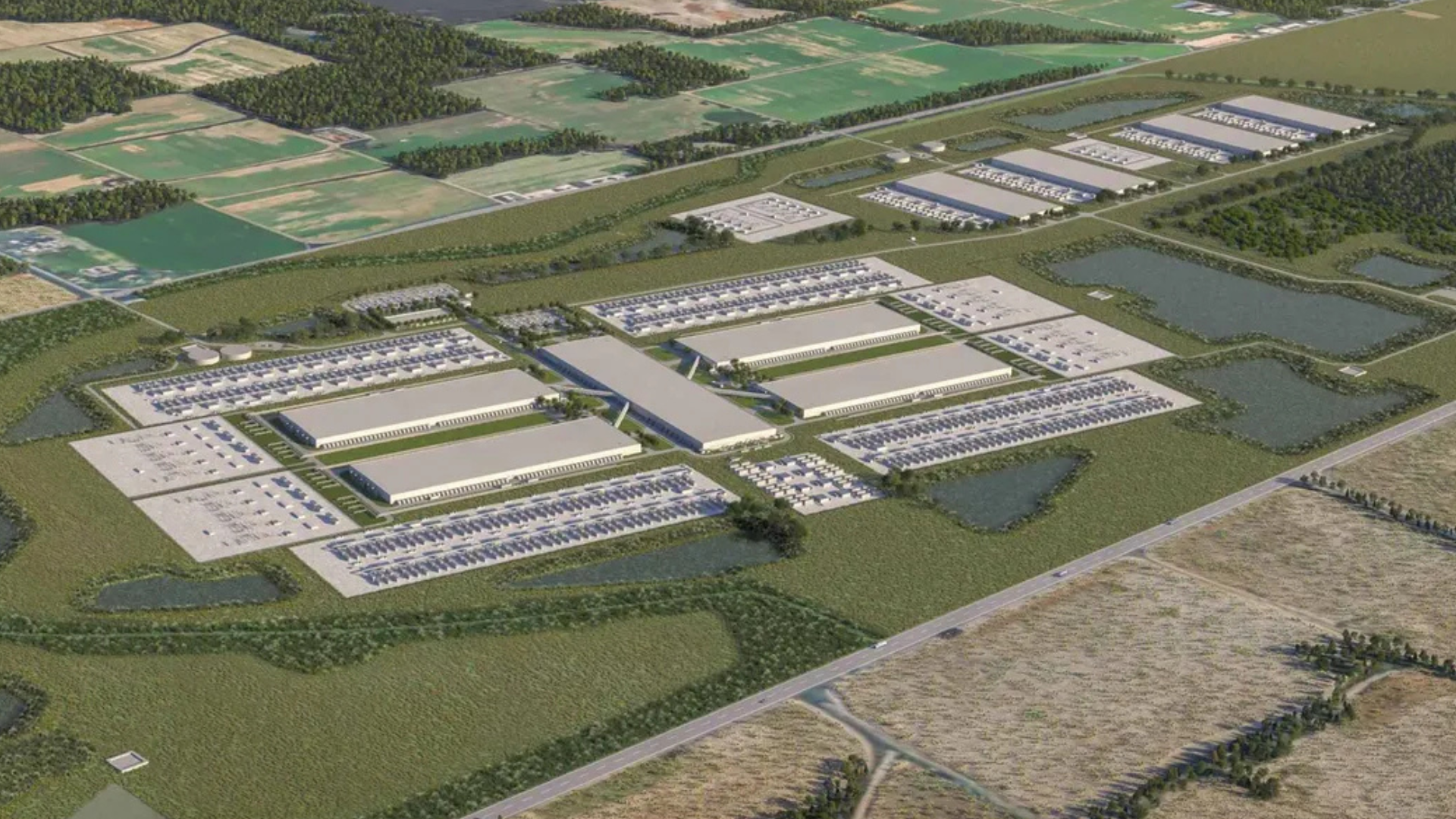
Image credit: Meta
Rural Sites Bypass City Regulations
Developers are increasingly targeting unincorporated county land for new data centers. Because these parcels lie outside city limits, they avoid city council approvals, rezoning votes, and municipal land‑use reviews. A SemiAnalysis post on X notes that this regulatory shortcut speeds construction and reduces public scrutiny.
Infrastructure Costs vs. Speed
Building farther from population centers typically requires additional investment in power‑grid connections, water supply, and road access. Developers consider these expenses worthwhile when they can obtain approvals quickly and bring projects online sooner.
Recent High‑Profile Projects
- Utah: A 9 GW data center approved in unincorporated Box Elder County. [Source]
- Louisiana: Meta is constructing a 7 GW facility in rural northern Louisiana, complete with its own natural‑gas power plants. [Source]
- Kentucky: A farming family received a $26 million offer for 600 acres—seven times the local land value—but declined, preferring to “stay and hold and feed a nation.” [Source]
Community Impact
Placing data centers on large, rural parcels reduces the number of directly affected residents, potentially lowering noise pollution. However, off‑grid operations that rely on natural‑gas turbines can increase local air pollution.
Political Shifts
Even without city oversight, developers must still secure approvals from county commissions, water authorities, and planning boards. The Utah project illustrated this shift when a state senator physically confronted a reporter covering community backlash to his supportive vote. [Details]
Public Opposition
A recent survey found that 47 % of Americans oppose new data centers in their neighborhoods, citing concerns over electricity costs and power quality. [Survey]
Combined with permitting delays, hardware shortages, and lengthy infrastructure connections, these factors drive AI hyperscalers to pursue rural sites aggressively, often backed by substantial investor funding.