
AI Coding Is Gambling
Source: Hacker News
AI Coding is Gambling
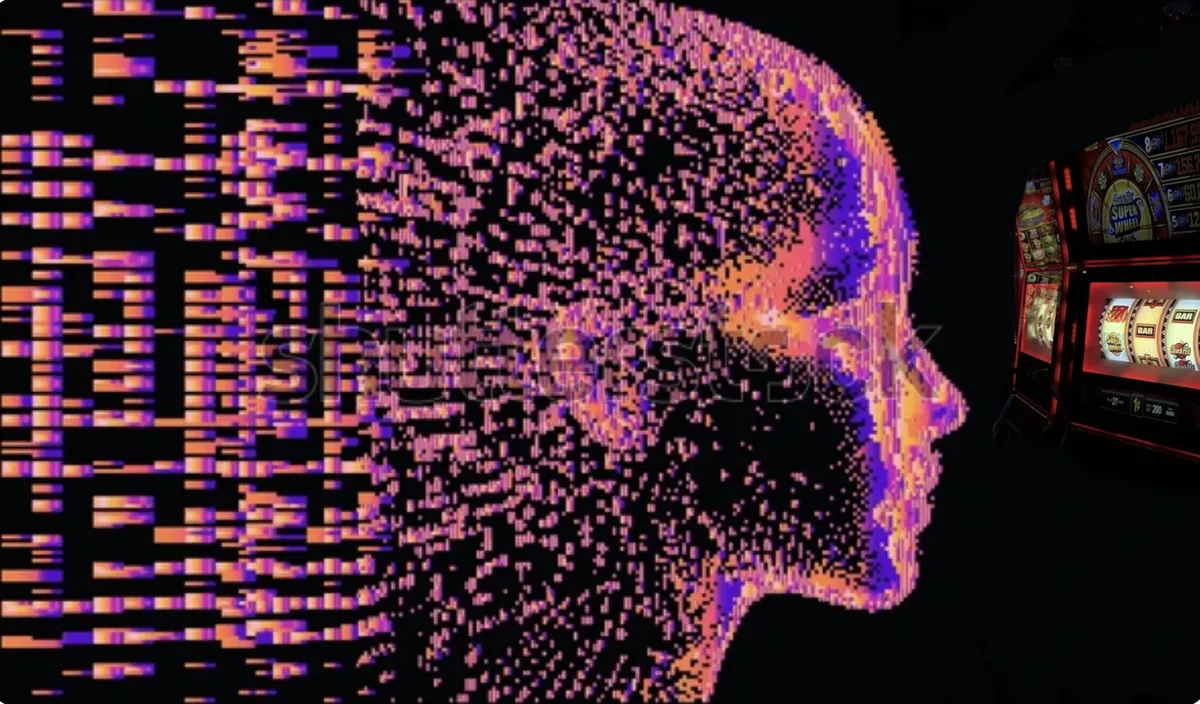
I’ve been coding a lot with AI since November, when we all noticed it got really good. It’s quite good for instantly generating something that looks half decent—impressive until you look closer. The actual details, the individual parts that make a system, are still a challenge.
But I’m not here to review a coding agent or nitpick its output. Nor will I expound on how I left Claude code running for eight days and built up an eight‑plus‑year portfolio of projects, all of which sound totally impressive, complete, and good. I’m here to talk about feelings, a life well lived, and a nurtured soul.
The Gambling Proposition
Getting yourself in a state where any change to your entire codebase is trivial to make is intoxicating. Previously we were burdened by our own cognition and laziness. We’d see a ticket and have to weigh how much work it would take—research, reading forgotten code, reconnecting to our thinking—often divided by months or years.
Now the AI can either handle it or pretend to handle it. Frankly it’s pretending both times, but often it’s enough to get the result we need: a vaguely plausible but often surprisingly wrong output.
This doesn’t really resemble coding, an act that requires a lot of thinking and writing detailed code. Both parts are technically present, but the first isn’t essential (you can offload it to the AI) and the second can be minimal.
It maps perfectly onto the tech industry’s favorite mechanic: gambling. It’s just pulling a slot machine with a custom message. We’ve been refreshing for years, and more of the economy resembles gambling by the day. Now we’ve turned the “infinity machine,” the truly “general intelligence,” into a gambling machine. Great job!
This explains why it’s so preposterously addicting to many people. I won’t decry the benefits or fear for my job. You really have to know what you’re doing to get what you want, have it work right, and avoid holes. I won’t explain how much more work AI gives us; I’ll just explore a simpler problem. It sucks.
The Simplest Problem
I divide my tasks into “good for the soul” and “bad for it.” Coding generally goes into good for the soul, even when I do it poorly. Gathering inspiration for what I should do is in the same category. I love finding what others have made, how I can integrate, refine, or iterate to suit my needs. The infinite plagiarism machine makes that much easier.
But it robs me of the part that’s best for the soul: figuring out how something works for me, finding the clever fix or conversion, and getting it working. My job went from connecting these two things—the hard and rewarding part—to just mopping up how poorly they’ve been connected.
It’s deeply unsatisfying, and while I have plenty of people to blame, the fix rests on me: avoid my own laziness and actually interact with my code more. Use the methods I’ve honed for years—finding inspiration and cleverness on the internet—rather than defaulting to the infinite machine.
The Special Case
I am not your average developer. I’ve never worked on large teams and I’ve barely started a project from scratch. The internet is filled with code and ideas, most of it freely available for you to fork and change.
My job has included working in small teams and even being the sole developer, so I’ve become quite clever at reusing code, minimizing it, and optimizing it. But I’m not just a developer; I’m mostly a designer. Shouldn’t I be happy that AI has made me a better developer?
I question whether it has. It certainly has made me more confident in trying new frameworks and getting out of my comfort zone. I’ve been spending more time coding, but is it because it’s making me more efficient and smarter, or because I’m just gambling on what I want to see? Am I just pulling the lever until I hit the jackpot?