
After a decade of reviewing phones, I really miss metal backs
Source: Android Authority
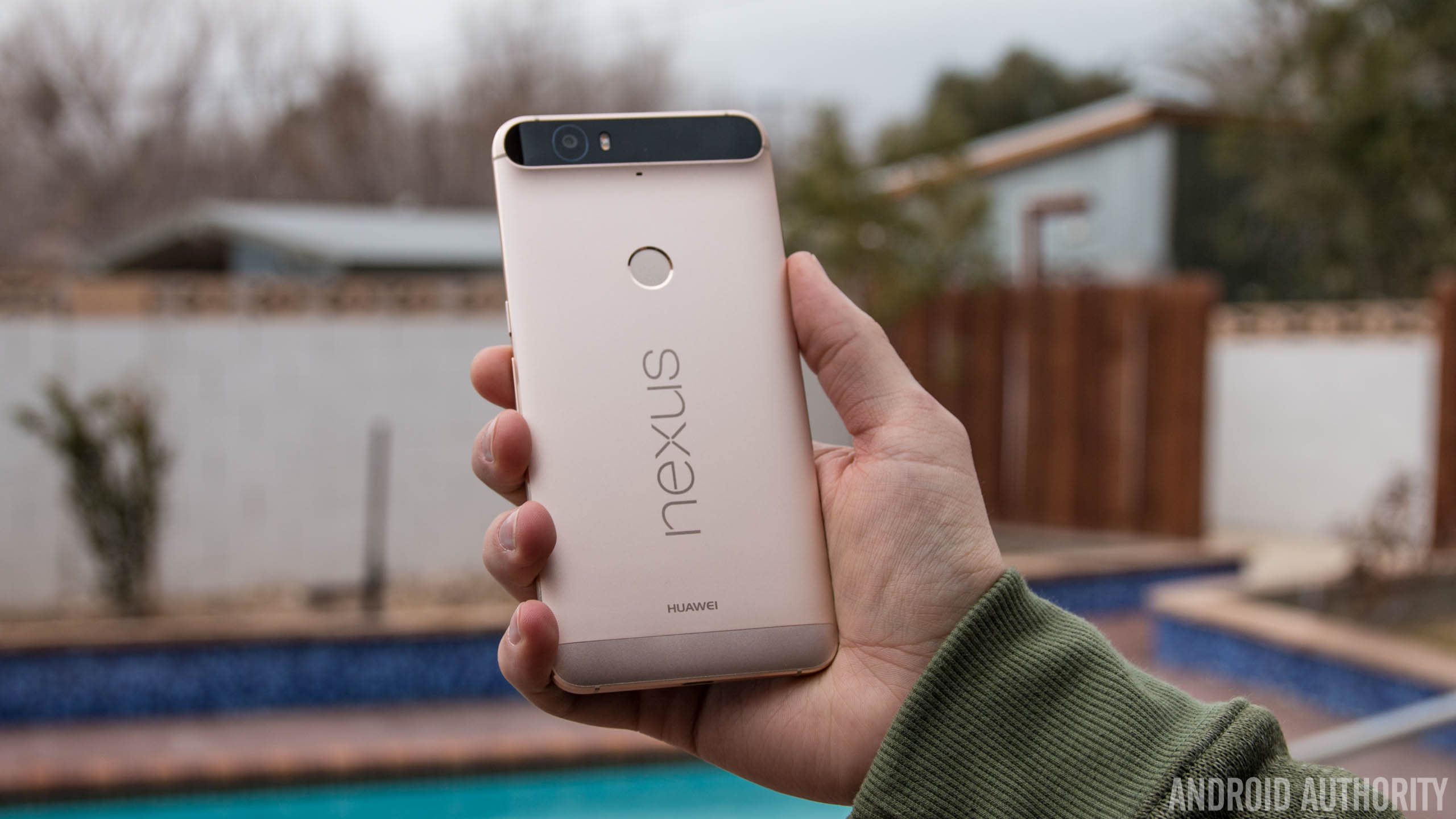
I’ve been reviewing Android phones for well over a decade now, and I’ve seen huge leaps in performance, battery life, charging speeds, cameras, and more. There are a few things I miss about the classics, though, including microSD card slots and removable batteries. However, there’s something else I miss about older phones.
Do you want more phones with metal backs?
14 votes
Why do I miss metal backs?
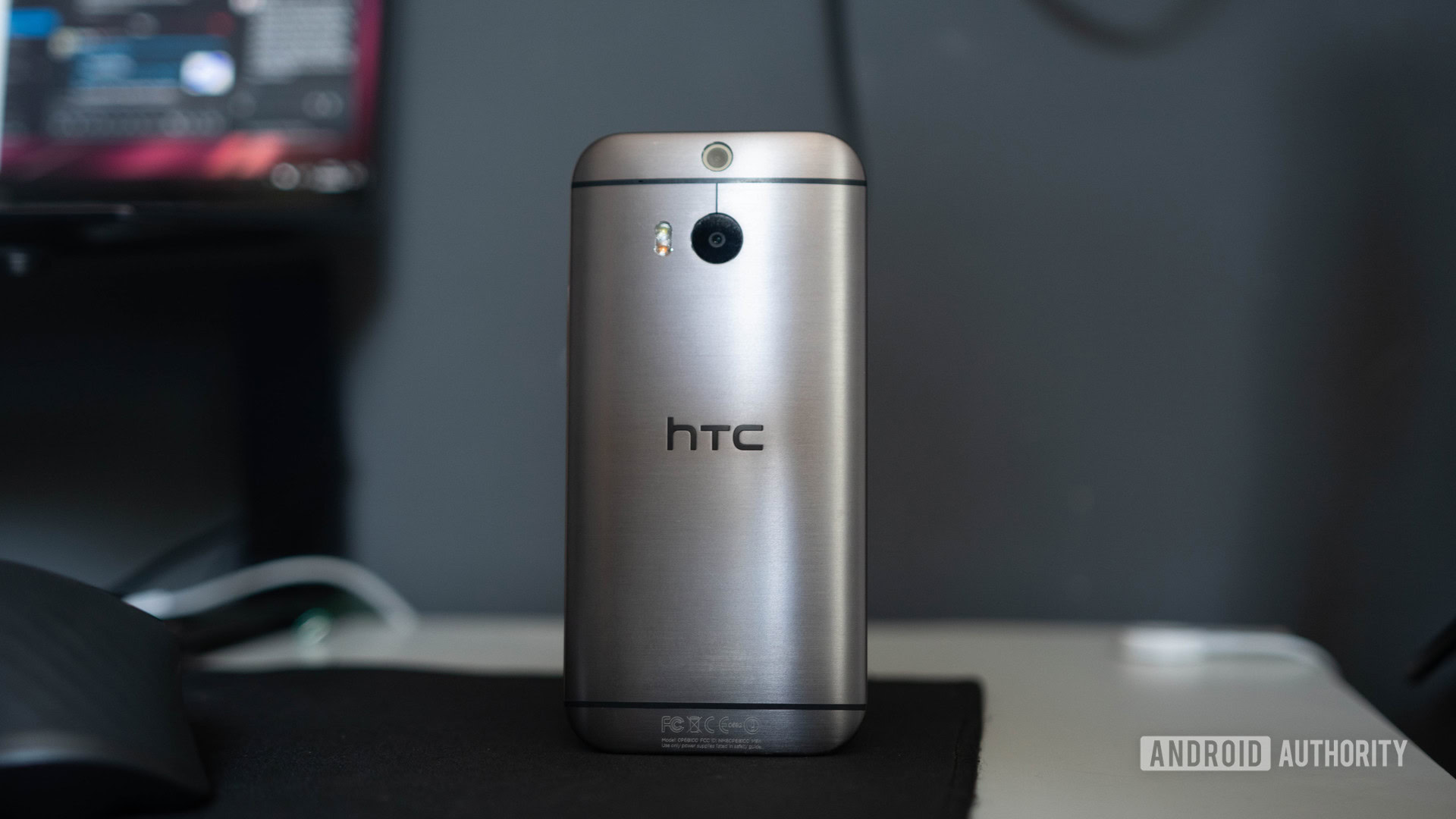
Easily the biggest reason why I love phones with metal backs is that they’re generally more durable than phones with glass backs. These metal‑clad phones can survive a few drops just fine, while glass backs are quick to crack or spider‑web. The worst‑case scenario with a metal‑backed phone is a dented rear cover after a particularly hard fall—still far from a safety hazard. By contrast, a smashed glass back can slice up your hand or leave splinters if you’re using the phone without a case.
I also appreciate the premium look, cold feel, and reassuring heft of metal‑backed devices. Classic phones like the HTC One M8, Nexus 6P, and Huawei P9 showcase this design choice beautifully.
Why don’t we see them anymore?
Ryan Haines / Android Authority
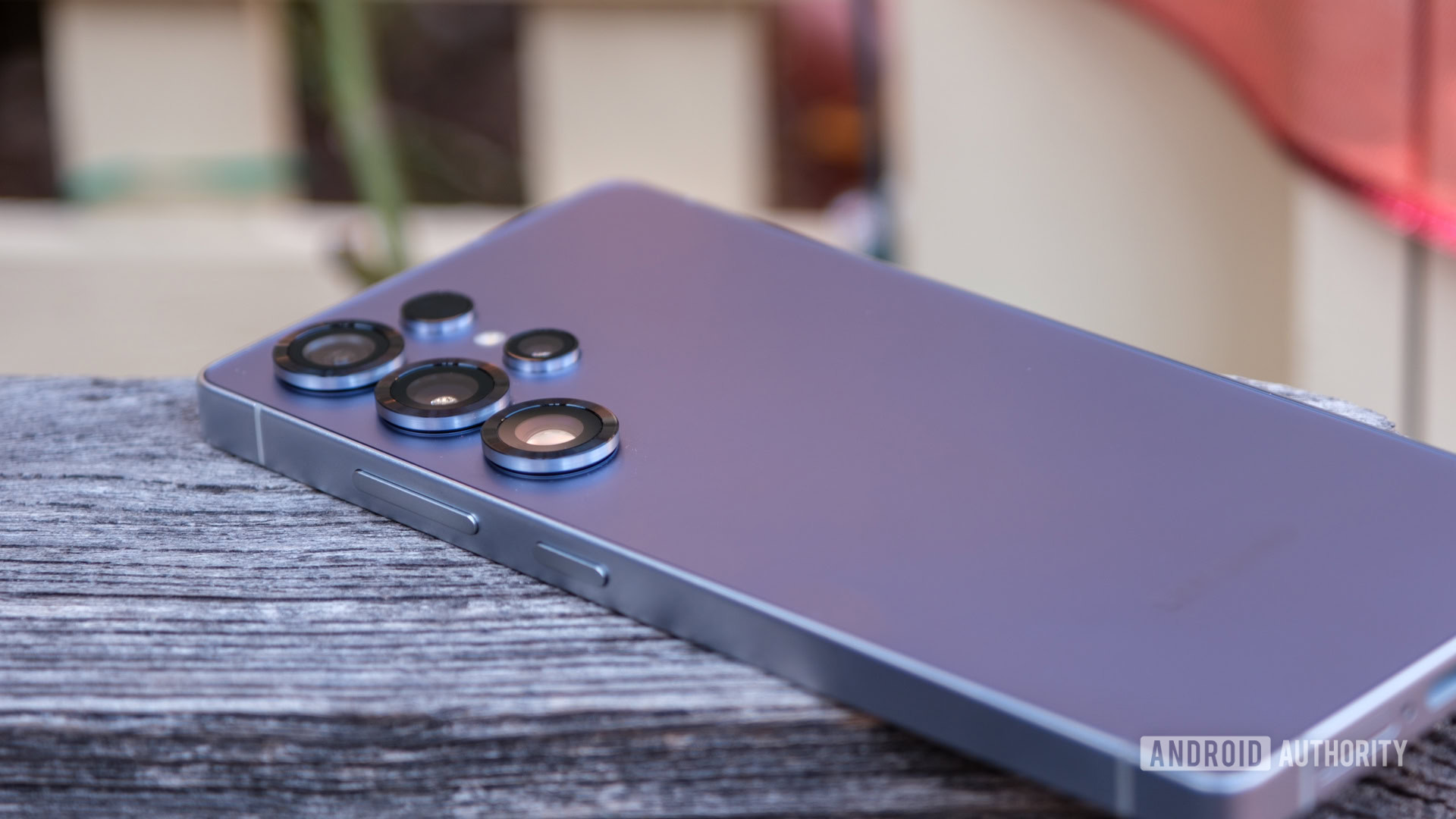
The biggest reason flagship phones no longer sport metal backs is that the material doesn’t play nicely with wireless charging. Google’s 2020 Pixel 5 used a thick plastic layer over its metal back and cutouts to enable wireless charging—an exception rather than the rule. Some metal‑backed phones, like the Nokia Lumia 925, required optional cases for wireless charging.
Cost is another factor. Mid‑range Android phones often use plastic backs because they’re cheaper than glass or metal. A metal back can be more expensive than a glass rear cover, especially when combined with the engineering needed for wireless charging.
Metal backs can also interfere with cellular signals compared to glass or plastic. Manufacturers mitigate this by adding plastic antenna strips or “windows” on the rear metal cover (e.g., Nexus 6P, OnePlus Nord 4). While metal‑backed phones may feel hotter to the touch, the metal acts as a heat sink, drawing heat away from internal components and potentially lowering internal temperatures for more stable long‑term performance.
Please bring metal backs… back
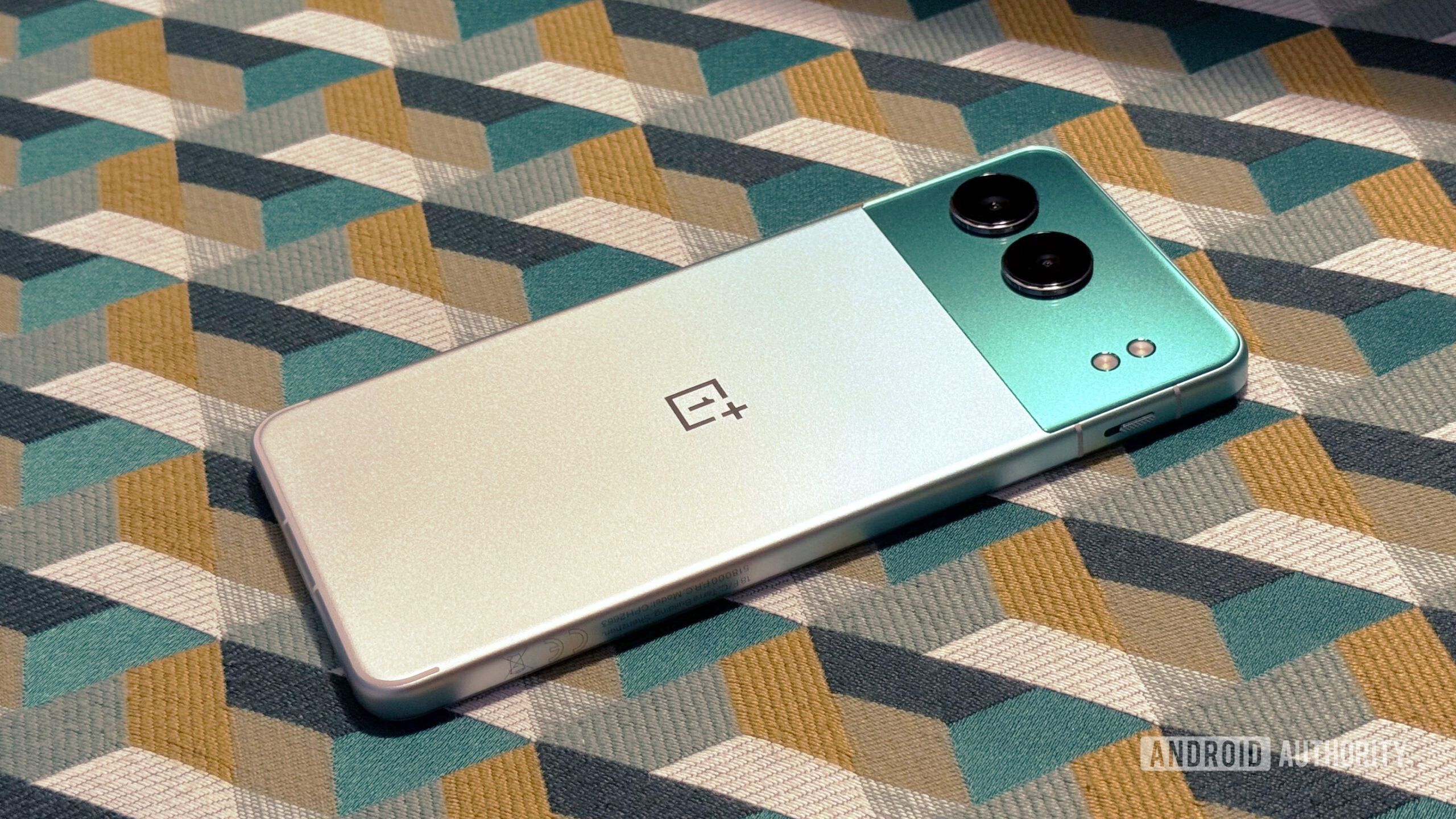
It’s not all doom and gloom. The mid‑range OnePlus Nord 4 made a splash in 2024 with its metal unibody design, and we praised this approach at the time.
Apple’s iPhone 17 Pro series takes an interesting route: a metal unibody with a large, card‑sized plastic cutout for wireless charging. The China‑only Huawei Mate 80 Pro Max follows a similar concept with a smaller ring‑shaped cutout.
A few manufacturers are still experimenting with metal backs, and I hope Samsung, Google, Xiaomi, and others will join them. I’d love to see more brands use anything other than glass backs in 2026.